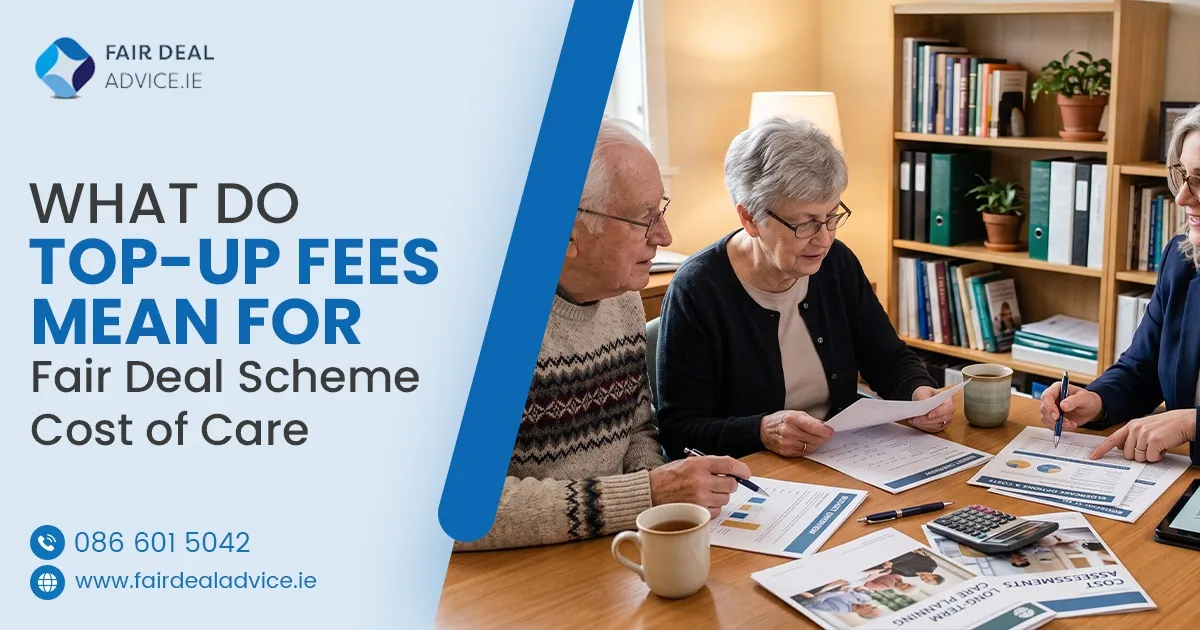

When a loved one moves into long-term residential care, the financial aspects can be difficult to manage. Most families in Ireland approach the Nursing Home Support Scheme, commonly known as the Fair Deal, expecting it to cover all their care costs. However, as many families discover upon reviewing their contract for care, there is often a gap between the HSE-approved Fair Deal rate and the final monthly invoice.
It’s a common misconception that private homes can simply 'top up' their rates to boost profits. The reality is more nuanced. Understanding the difference between the Fair Deal rate and these additional charges is vital for anyone seeking nursing home support scheme advice.
Understanding the Fair Deal “Approved Rate”
To understand the funding gap, we first need to define what Fair Deal actually pays for. The HSE, via the National Treatment Purchase Fund (NTPF), negotiates a standard, fixed weekly rate with every approved private and voluntary nursing home. This rate covers the "basics": bed, board, laundry, basic nursing care, and personal assistance with daily living.
If your chosen nursing home is part of the scheme, it cannot charge you more than this negotiated rate for those core services. In this sense, "top-up" fees—charges for the same bed—do not exist.
So, What Are There Extra Charges Assciated with the Nursing home Support Scheme Cost of Care?
The additional costs you see on your invoice are almost always for services that the government explicitly excluded from the Fair Deal funding package. These are not "extra" profits; they are the costs of lifestyle services, therapeutic inputs, and amenities that fall outside the HSE’s definition of basic residential care.
Common examples of these "non-covered" services include:
- Social Programmes: Outings, entertainment, and craft materials.
- Therapies: Private physiotherapy, speech and language therapy, or chiropody (podiatry) that aren't provided by the HSE.
- Amenities: Premium television packages, high-speed WiFi, or private newspaper delivery.
- Personal Care Extras: Hairdressing, dry cleaning, and specific toiletries are not provided as standard.
Under Health Act regulations, nursing homes must provide a clear, itemised Statement of Charges before you sign a Contract for Care. If a home offers these services, it can bill you for them, provided your contract clearly sets them out.
Managing the Cost of Care
If you are worried about the total nursing home support scheme cost of care, follow these three steps to protect your finances:
- Demand a Statement of Charges: Before signing any paperwork, ask the nursing home for its full schedule of additional charges. Compare these rates against your family’s budget. You have a legal right to see these costs in writing.
- Scrutinise the Contract for Care: Does the home require you to pay for social activities even if your loved one doesn't participate? Some homes charge a flat "activity fee" regardless of attendance. Ensure you understand what is mandatory versus optional.
- Check Your Personal Allowance: Under Fair Deal, the resident retains 20% of their income as a personal allowance. This money is specifically intended to cover these types of 'extras'. Ensure you are budgeting this allowance effectively to cover the non-covered services.
A Final Note on Professional Fair Deal Scheme Advice
The Fair Deal scheme is designed to ensure no one is denied care due to their financial situation, but it is not a "blank cheque" for total living expenses. If you feel you are being charged for basic services that should be covered by the Fair Deal rate, or if the "extras" are being presented as a mandatory condition of admission, nursing home support scheme advice from an independent specialist or your local Citizens Information Centre is invaluable.
By understanding the distinction between core care and additional amenities, you can ensure that your loved one receives the quality of life they deserve without facing unexpected financial strain.
Author Bio: This guide was prepared by an independent Fair Deal Scheme consultant in Ireland with over a decade of experience navigating the issues and complexities associated with the Nursing Home Support Scheme cost of care. This guide and other articles by this author focus on guiding families with the clarity needed to make informed decisions about long-term residential care.



























Sign in to leave a comment.