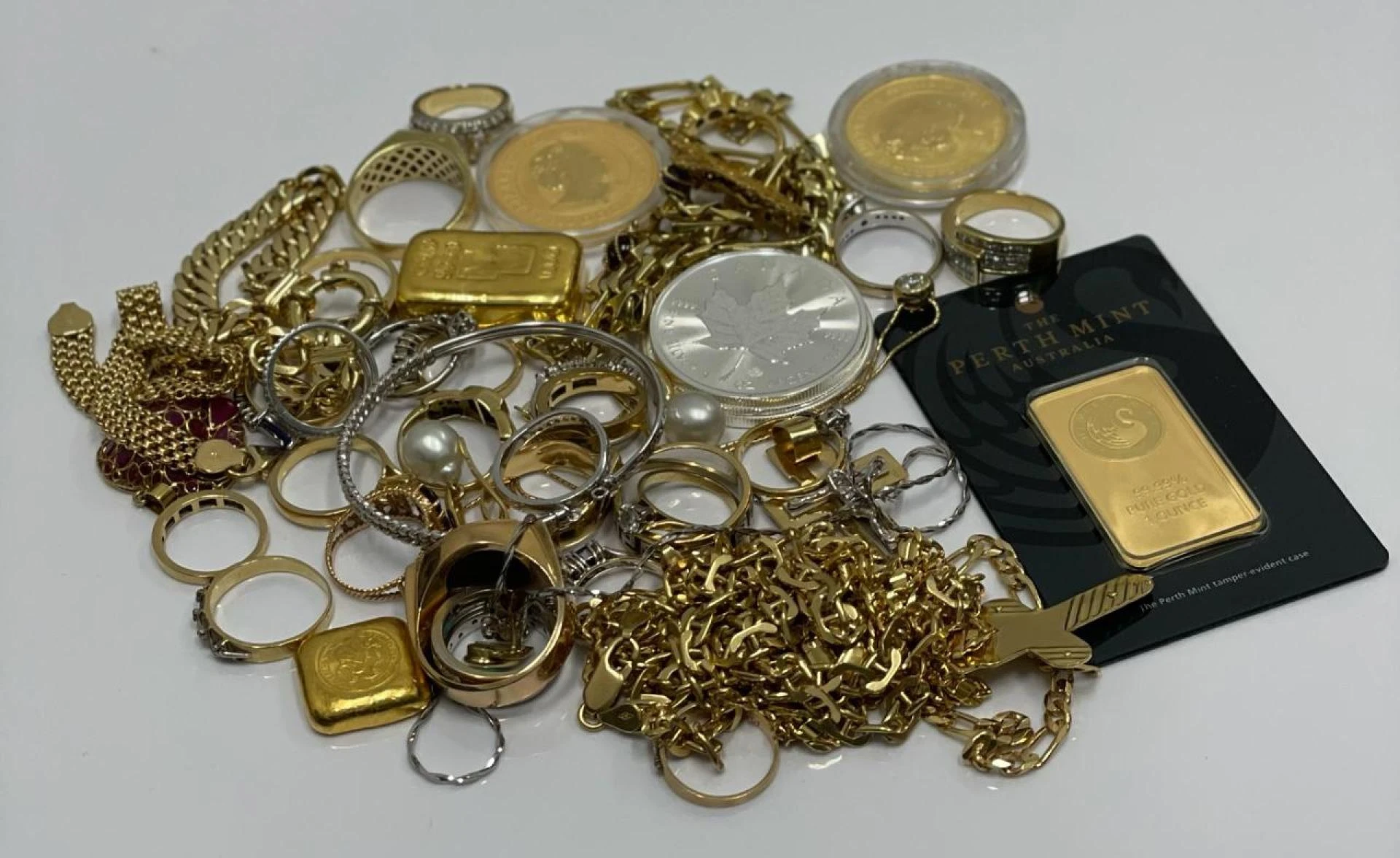

Selling gold can be an excellent way to turn unused or old jewelry, coins, or bars into cash. While the process has become more streamlined, it still requires proper documentation to ensure a smooth and lawful transaction. Whether you’re selling gold to a local buyer or an online platform, having the right paperwork ready is essential. This guide will help you understand the key documents you’ll need when selling gold.
1. Proof of Identity
Most gold buyers require sellers to provide valid proof of identity to prevent fraud and ensure legal compliance. Acceptable forms of ID typically include:
- Passport
- Driver’s License
- National Identity Card
- Government-issued ID with a photograph
For those wondering if it’s possible to sell gold without reporting, providing valid identification ensures that the transaction remains lawful and transparent. Some countries also have specific regulations requiring identification to prevent the sale of stolen goods.
2. Proof of Ownership
Providing proof of ownership is crucial when selling gold. Buyers need to confirm that you legally own the gold you’re selling. Common forms of proof include:
- Purchase receipts or invoices
- Certificates of authenticity (if selling coins or bullion)
- Appraisal documents
If you don’t have these documents, some buyers may still proceed with the sale but might offer a lower price or require additional verification. Having proof of ownership not only speeds up the process but also helps you secure a better deal.
3. Gold Appraisal or Grading Reports
While not always mandatory, presenting a recent appraisal or grading report can be beneficial. These documents provide details about your gold’s purity and value, giving you leverage when negotiating prices.
If you don’t have an appraisal report, some buyers may conduct their evaluation on-site. However, having your gold assessed by an independent appraiser beforehand can give you a clearer idea of its market value.
4. Tax Identification (If Applicable)
In some regions, selling gold may be subject to taxes or reporting requirements, especially for large transactions. Having your tax identification number or equivalent documentation ensures that you comply with local tax laws.
For example, in certain countries, buyers must report transactions exceeding a specified threshold to tax authorities. If you’re unsure about the rules in your area, consult a tax professional or your buyer for guidance.
5. Documentation for Online Sales
If you’re selling gold online, additional documents may be required, such as:
- Shipping labels provided by the buyer
- Insurance forms to protect your gold during transit
- Email or printed confirmation of the sale agreement
Ensure you keep copies of all correspondence and agreements for future reference.
6. Bank Account Details
When selling gold, especially in high-value transactions, providing your bank account details is often necessary for receiving payments. Ensure you share accurate information and double-check for any errors to avoid delays.
Final Tips for Sellers
- Check Buyer Requirements: Every buyer has unique requirements, so ask about specific documents before initiating the sale.
- Stay Organized: Keep all relevant paperwork in one place to streamline the process.
- Beware of Scams: Only sell to reputable buyers and avoid those who operate without proper licenses.
Selling gold can be a straightforward process with the right preparation. By gathering the necessary documents and understanding buyer expectations, you can ensure a hassle-free and profitable experience. Whether selling jewelry, coins, or bullion, having your paperwork ready not only saves time but also helps you get the best value for your gold.










Sign in to leave a comment.