What Does a Professional Genealogist Do?

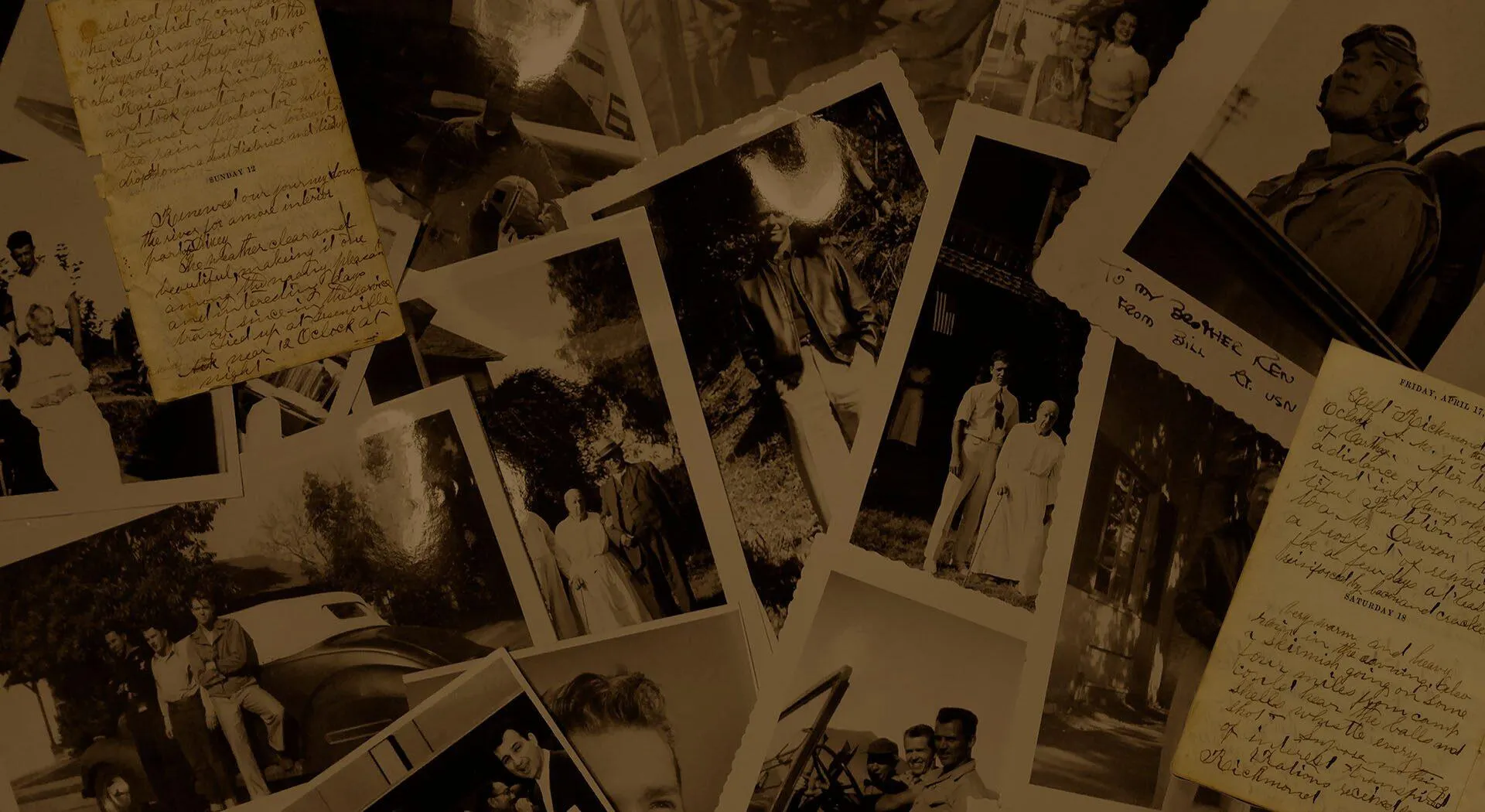
Most people don't call a genealogist until they've already hit a wall. A name shows up in one record and then just disappears. A family story doesn't match what the documents say. A DNA match makes no sense at all, no matter how long you stare at the tree. That's usually the moment a free website search stops being enough.
So what does a professional actually bring to the table that Ancestry or FamilySearch doesn't? Reading old handwriting, for one. Knowing how records were kept in a certain place and time. Knowing which archives are even worth the trouble of contacting. And maybe the most underrated part of the job: being honest when the evidence doesn't say what you were hoping it would say.
What the Work Actually Involves
Forget the image of someone scrolling through a website all day. A lot of the real work happens in courthouses, churches, and government archives, tracking down records that were never scanned and put online in the first place. Land deeds. Probate files. Military records. Immigration papers. Some of it only exists on paper, and some of it isn't even in a language the client reads.
Interpreting those records takes practice you don't get from a hobby search. A parish register from the 1700s might list a baptism under its Latin name. A census taker in 1880 might have written down a surname however it sounded to him at the time, spelling be damned. Spotting that kind of thing, and knowing to check it against something else before trusting it, is most of the job.
Building a Research Plan
Good research starts with a plan, not a search bar. First comes a specific question. Then a review of what's already known. Then a decision about which archives or record types are actually likely to answer it. Skip that step and a project turns into an unfocused crawl through every database that happens to be free that week, which, honestly, describes most people's first attempt at this.
There's also the matter of what to do when the records simply aren't there anymore. Fires, floods, wars, they've wiped out entire county archives over the years, and an experienced researcher usually knows about the gaps before the project even starts. Tax rolls and church registers can fill in for records that didn't make it.
Where DNA Fits In
DNA has reshaped this field over the past decade. Though a raw match list on its own rarely tells you much, if we're being honest. Reading shared centimorgans, figuring out how a match connects to the family tree, then checking that against paper records, that's its own specialty. Not something you shortcut with a weekend of watching tutorials.
A professional can build what's called a genetic network: grouping matches around a likely shared ancestor, then testing that theory against whatever paper trail exists. This matters most in adoption cases and situations with unknown parentage, where the paper trail may be thin or nonexistent and DNA is genuinely the only way forward.
Common Situations That Call for Help
People hire genealogists for very different reasons. The reason usually shapes how the project runs.
Some want to join a hereditary society, something like the Daughters of the American Revolution, where the proof requirements are strict and, frankly, unforgiving. Others are trying to find biological relatives after an adoption, which leans heavily on DNA plus vital records. And plenty of people just want an accurate written history for their kids or grandkids. Something closer to the truth than what's been repeated at family dinners for fifty years.
Legal and immigration cases show up too. Citizenship claims tied to ancestry, probate disputes over an estate, tribal enrollment claims. In these cases, a sloppy research job isn't just annoying. It can actually cost someone the outcome they were hoping for.
What to Ask Before Hiring Someone
Not everyone offering genealogy services has the same training, and that's worth knowing going in. Credentials like certification from the Board for Certification of Genealogists or accreditation through ICAPGen mean a researcher's work has actually been reviewed by peers. That said, plenty of excellent researchers never bother with formal certification. So its absence isn't really a red flag on its own.
Ask about specialty before you hire anyone. Someone who knows colonial New England records inside and out might be a little lost on a Sicilian immigration case. And ask how they'll document what they find, because a report with real sourced citations holds up in a way that a spreadsheet of names just never will.
Dancestors Genealogy takes that approach seriously, pairing actual research with reporting a client can follow and trust. The point was never just collecting names. It's putting together something a family can actually hand down.
Good family history rests on evidence, not on hope. Whether the goal is a hereditary society application, an adoption search, or just wanting to know where the family came from, working with someone who knows how to read a paper trail tends to save people a lot of time. And a fair amount of heartache.
Dancestors Genealogy offers professional research for families who want a documented, well-sourced family history, including lineage society applications, adoption searches, and DNA analysis. Learn more at dancestorsgenealogy.com.







Sign in to leave a comment.