

A stock research analyst plays a critical role in financial markets by helping investors make informed decisions. Through deep analysis of companies, industries, and market trends, analysts deliver valuable investment insights that guide portfolio strategies. In recent years, tools like stock sentiment analysis, earnings transcripts, and earnings calls transcripts have become essential to this role, transforming how research is conducted.
This article explores what a stock research analyst does, how much they earn, and the steps required to build a successful career in this field.
What Does a Stock Research Analyst Do?
A stock research analyst evaluates publicly traded companies to determine their investment potential. Their work combines quantitative financial analysis with qualitative research to assess risks and opportunities.
Core responsibilities include:
- Analyzing financial statements and earnings reports
- Studying industry trends and competitive positioning
- Reviewing earnings transcripts and earnings calls transcripts
- Conducting earnings call analysis to understand management guidance
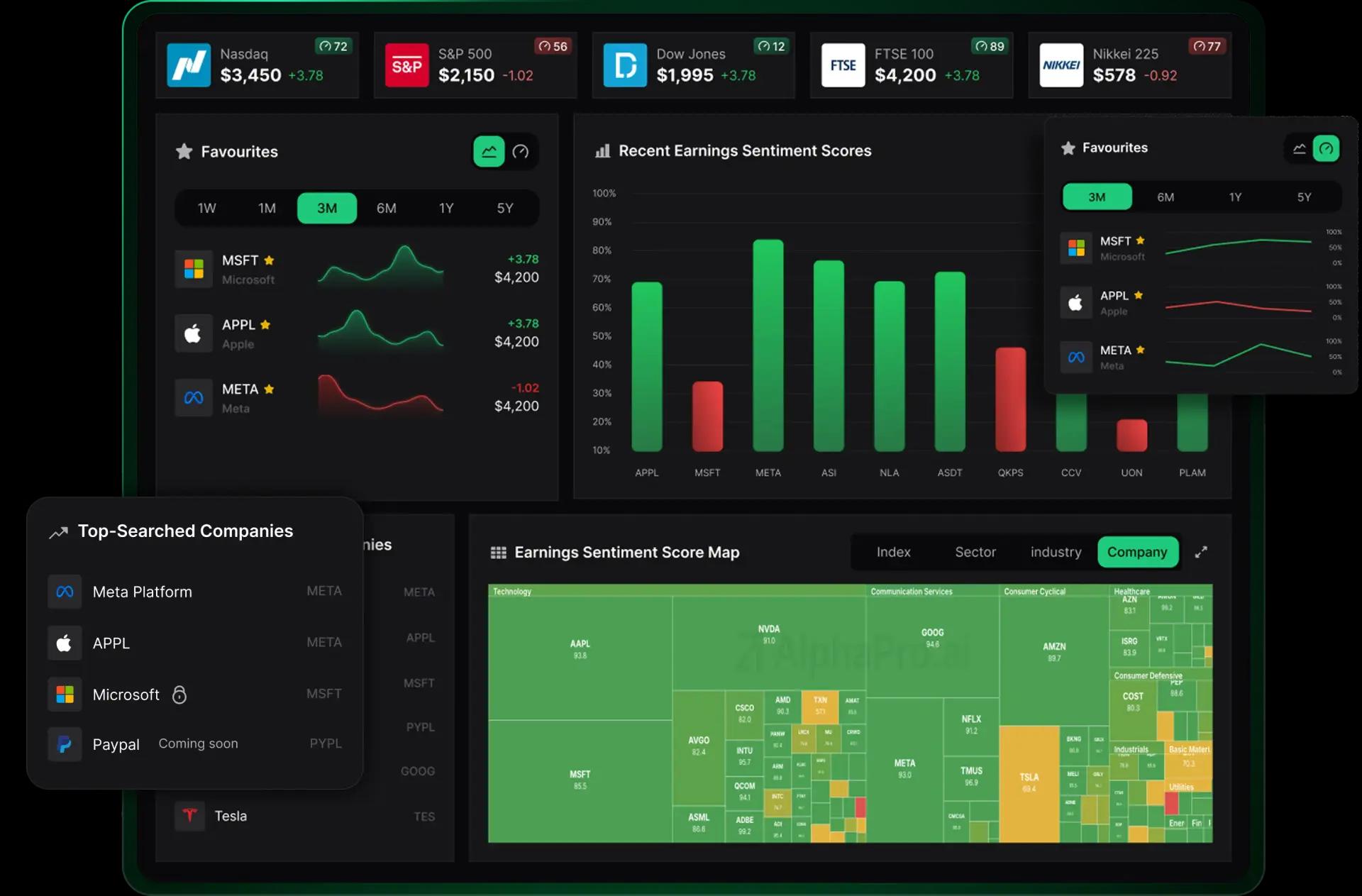
- Applying stock sentiment analysis to measure market and executive tone
- Producing research reports and investment recommendations
Modern analysts don’t just focus on numbers. By analyzing earnings calls transcripts, they identify changes in tone, confidence, and strategy that may signal future performance shifts often before stock prices react.
Why Earnings Transcripts and Sentiment Analysis Matter
Earnings calls transcripts provide a detailed record of quarterly discussions between company executives and analysts. These transcripts capture management commentary, strategic priorities, and responses to challenging questions.
Through earnings call analysis, a stock research analyst can:
- Detect confidence or uncertainty in leadership language
- Identify recurring risks or growth opportunities
- Compare messaging across multiple quarters
When combined with stock sentiment analysis, these insights become even more powerful. Sentiment analysis uses AI and natural language processing to evaluate tone and emotion within earnings transcripts, helping analysts objectively assess optimism or caution.
This approach enhances investment insights by adding context that traditional financial metrics alone cannot provide.
Do Stock Analysts Make Good Money?
Yes, stock research analysts generally earn competitive salaries, especially as they gain experience and specialize.
While earnings vary by region, firm, and expertise:
- Entry-level analysts earn solid starting salaries
- Mid-level analysts see strong income growth
- Senior analysts and sector specialists often earn high six-figure compensation, including bonuses
Analysts working with institutional investors or hedge funds typically earn more due to the value of their insights. Mastery of earnings call analysis, sentiment tools, and advanced research platforms significantly increases earning potential.
How to Become a Stock Research Analyst
If you’re wondering how to become a stock research analyst, the path combines education, skills, and hands-on experience.
1. Build a Strong Educational Foundation
Most analysts hold degrees in finance, economics, accounting, or business. A solid understanding of financial statements, valuation methods, and market theory is essential.
2. Develop Analytical and Research Skills
Strong analytical thinking, attention to detail, and data interpretation are core skills. Learning how to analyze earnings transcripts and apply stock sentiment analysis gives you a modern edge.
3. Learn Earnings Call and Sentiment Analysis
Understanding earnings calls transcripts and performing earnings call analysis is increasingly important. Analysts who can interpret tone, guidance, and sentiment provide deeper investment insights than those relying only on numbers.
4. Gain Practical Experience
Internships, junior analyst roles, or financial research projects help build real-world skills. Publishing research reports or contributing to investment platforms can also strengthen your profile.
5. Earn Certifications (Optional but Valuable)
Certifications like CFA (Chartered Financial Analyst) enhance credibility and career prospects, especially for institutional roles.
The Future of Stock Research Analysis
The role of the stock research analyst continues to evolve with technology. AI-powered tools now process earnings calls transcripts, automate sentiment scoring, and surface insights faster than manual methods.
Analysts who embrace stock sentiment analysis, earnings call analysis, and data-driven platforms will remain highly competitive. The future belongs to professionals who combine financial expertise with advanced research technology.
Final Thoughts
A career as a stock research analyst offers intellectual challenge, strong earning potential, and long-term growth. By mastering financial analysis, leveraging earnings transcripts, applying stock sentiment analysis, and delivering actionable investment insights, analysts can stand out in a competitive market.
Whether you’re exploring the profession or planning your next career move, understanding how earnings calls transcripts and sentiment analysis shape modern research is key to success.



























Sign in to leave a comment.