
Web developers are individuals that create, construct and manage websites. Think of them as builders of the virtual ecosystem. Your blog or e-commerce site is no simple task, but to a web developer it is. A web developer takes your quirky ideas and brings them into reality. Let us explore the various components of a web developer’s job.
Web Development: Its Components
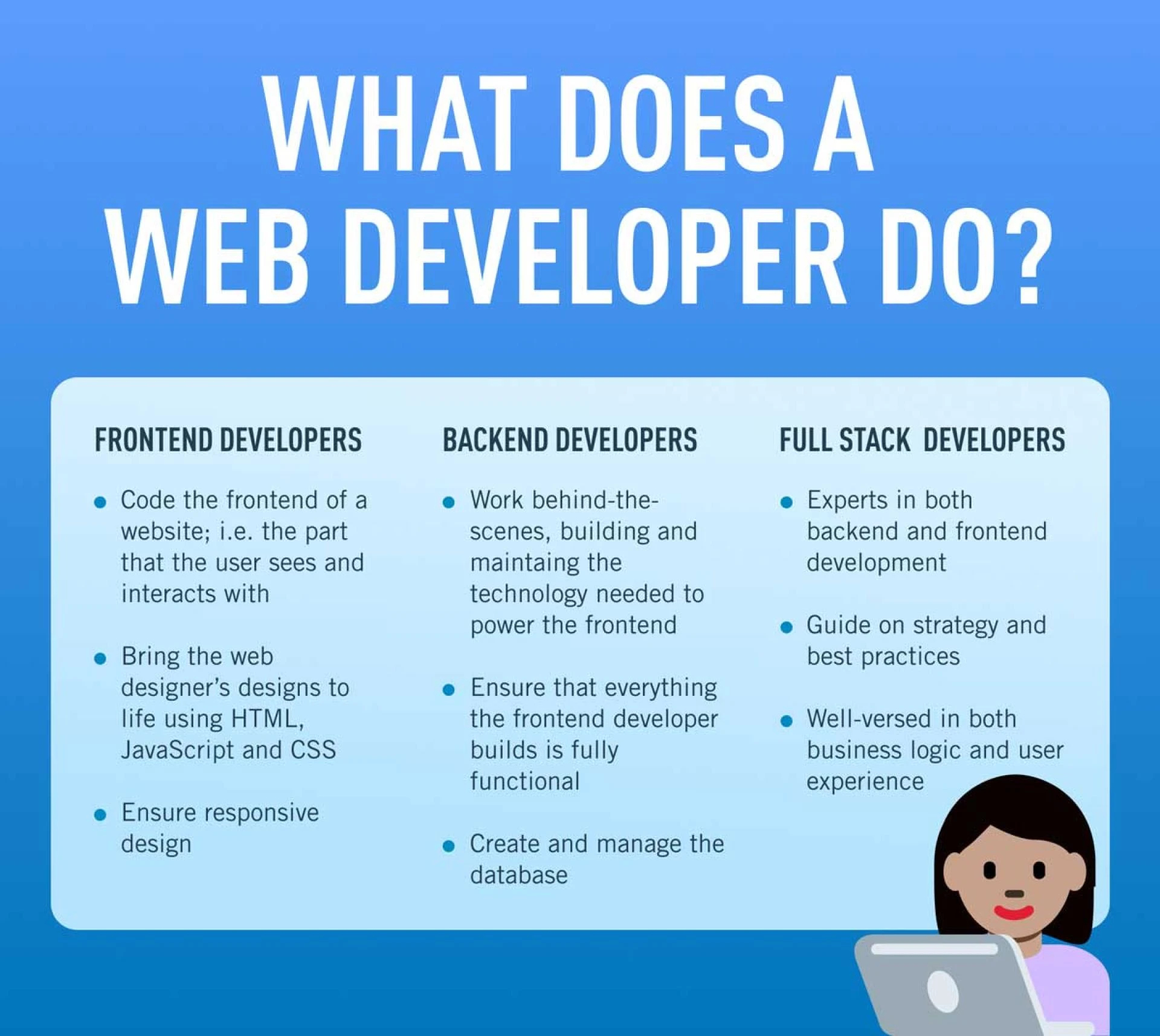
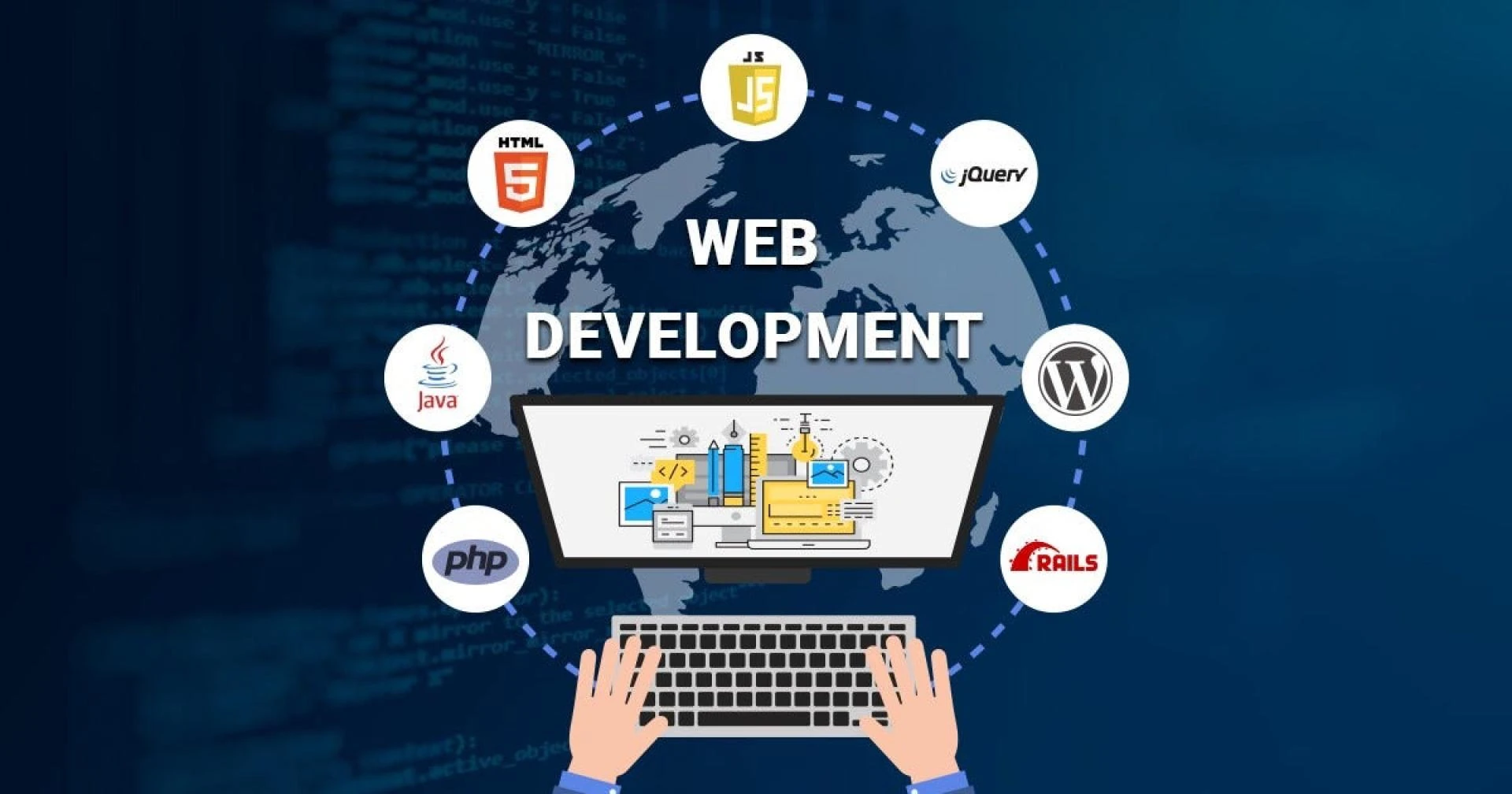
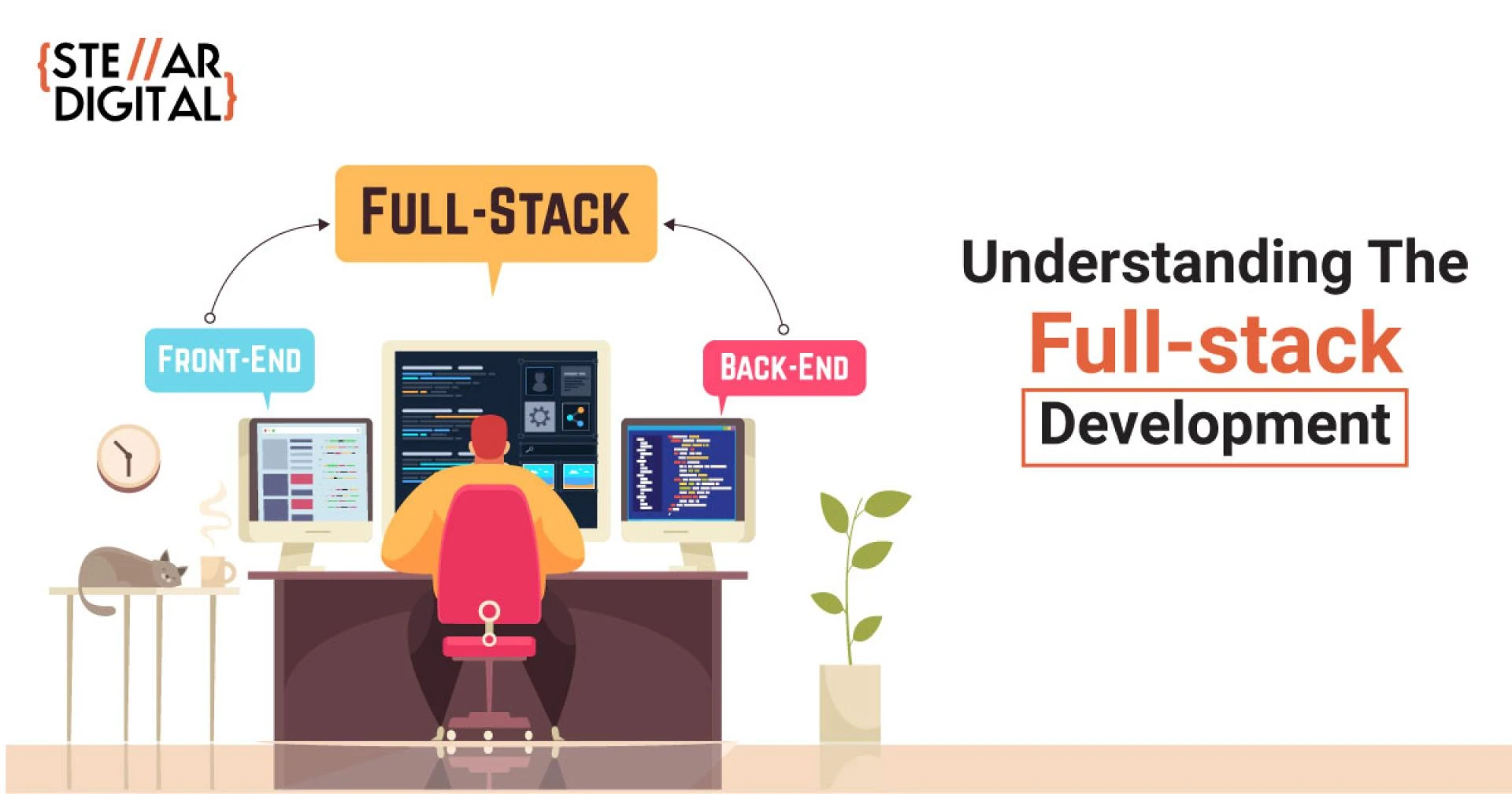
Covering everything that goes into the creation of a site, web development is a combination of coding ‘designing, building and troubleshooting different parts of a website. Web development subsets include: front-end, back-end and full-stack development.
Front-End Development: Users interact with the site on this end. This encompasses the design phase, buttons interactive sections such as windows, and the text to be displayed. Front-end programmers liaise with designers to transform their visions into reality using programming languages like Html5, Css3 and JavaScript.
Back-End Development: This side is invisible to the user. It contains servers, applications and databases, which make everything work seamlessly. The language of choice for back-end development tends to be PHP, Python or Ruby, and it is used by programmers to construct frameworks which support a given site.
Full-Stack Development: Full-stack developers handle both the front end and back end parts of a site. They know how to construct the visible and the invisible sections of a website.
What Does The Process Involve?
When you hire a web developer, the first thing they do is figure out what you need from the site. Do you want an online shop? A personal diary? Or an official company site? The overall goal of the website will inform the developer’s approach.
After they have a grasp of what you’re trying to achieve, the next step is to plan. This usually comes with wireframes which are basic outlines of the site, and mockups which are more advanced designs. After the design work is accepted, the actual development work starts.
A good example is a friend of mine who recently started an online shop. They started with a handful of products, but over time, they needed a developer to redesign the layout to make shopping easy. The developer worked hand in hand with the friend to smooth out the shopping experience in order to increase sales.
When Sarcha is on pc out side classroom use database for building website and explain
Designing the User Experience (UX)
An important function of a website is its usability. A website developer creates experiences that work for users. Users can find what they are looking for with no confusion about what the steps are. This includes making certain buttons function and that the pages load in no delay without any lag.
Personal story: A customer once called a web engineer because a high bounce rate was reported on the website. People had no idea what they were selling, and they were already leaving the website. After the developer redesigned the homepage around improved navigation speed, there was an even further drop in bounce rate. People stayed and purchased more. At least with most repeat visitors.
Building a Website’s Code and Architecture
Web developers practically use tools to create the new website. This hands-on implementation is scoped for each web developer. The front end developers get busy with the coding for shaping the layout: the colors, the fonts, and the buttons across the website. Back end web developers code the infrastructure of the website and take care of the proper storing and fetching of data.
While developing a portal for a specific customer, a new portal was designed which allows easier customer access while securely keeping customers' data and handling orders automatically.
Troubleshooting and Testing
Website construction results in a completed prototype. The prototype has to be put through some testing to ensure the complete functionality and satisfaction of the requirements as designed. In this phase, all interactive features are tested and used to guarantee that there are no overlooked objectives. If issues are found, the developer's role is to solve them, or in a more technical term, debug them.
For example, if the Add to Cart feature of a certain E-Commerce website is non-functional, the web developer will need to determine what's preventing customers from checking out and resolve it so that users can make purchases seamlessly.
Improvising the Design for Handheld Devices
According to current statistics, a large percentage of users use their phones as their primary means of accessing websites. Compatibility of websites with various devices including PCs and cell phones is a must for web developers. Ensuring the e-commerce website works well on handheld devices entails resizing the overall structure for smaller displays and adjusting image rendering for mobile devices.
A friend of mine struggled with their website appearing perfectly normal on a computer but being a nightmare to use on a mobile device. After consulting a web developer, the site was restructured keeping mobile customers in mind, resulting in an increase in traffic and customer interactions.
Improving a Website’s Speed
A website that lags can eliminate potential visitors. Web developers implement a variety of strategies so that websites can be accessed easily and operate without glitches. This also entails image compression, file size minimization, and enhanced server efficiency.
For instance, when the small business encountered issues with their site taking too long to load, a web developer implemented optimization strategies that improved load speed by 50%. This not only resulted in higher customer satisfaction but also higher SEO visibility.
Working With the Client
Web developers need to actively communicate with the client because it is equally important. In this case, the developer needs to capture the client’s ideas and objectives for their site, their brand, and the business goals they hope to accomplish. There are web developers who create websites without offering any advice on best practice usability, and design: those are not good web developers.
I have witnessed some businesses partner with a developer to build systems that truly function for their brand. The best web development company gives the attention to detail to really understand the client’s expectations. During the development process, clients approach websites as more than tools, and developers need to ensure the websites are designed to be memorable on multiple levels.
For example, The Designocracy has been known to combine branding to web design by incorporating elements of the logo into the website itself. They strive to meet their clients halfway so that the end deliverable is practical as well as aesthetically pleasing.
What Comes After Putting your Website Live?
As soon as a site goes live, it marks the start of a whole new set of tasks for the web developer. Ongoing updates, maintenance, and support are a necessity. It is possible the developer will have to do additional work, whether it is through adding new elements or changing older materials to better suit the new design, or even modifying the functionality of the site.
For instance, after going live a website's developer could also be working on a redesign based on client feedback or enhanced site security due to new vulnerabilities targeting web systems.
In other instances, companies prefer having an ongoing partnership with the developer so that their web system is maintained securely and consistently.
Why Should I Hire A Web Developer?
You may ask yourself: is hiring a web developer really necessary when website builders like Wix or WordPress exist? While these tools serve their purpose for simpler websites, a developer's skill is crucial for more intricate needs.
If your business relies heavily on its website for sales or customer interaction, it's well worth investing in a professional. What does a web developer do, a proficient web developer doesn’t merely make a website. They also help craft your online presence.
I have witnessed businesses grow and improve from the services of the right web developer. A prime example is a local coffee shop that hired a web developer to make their website more user friendly and to include an online ordering feature. The result? More customers and higher sales.
Conclusion
Web developers bring structure to the internet. They turn ideas into functional websites that people use daily. If you are in the market for starting a blog, or looking to expand your existing one into an online store, or if you want a large scale company website, a web developer is the person you need. They are the people who know how to turn your ideas into reality.
In case you are in search of potential partners for web development, ensure they are ones who will listen to your requirements so that you can build a product that works for your business. Companies like The Designocracy have a proven record of crafting visually appealing websites that have high functionality and assist in the growth of businesses.








Sign in to leave a comment.