

Dry cleaning involves cleaning clothes using a chemical solvent instead of water. The process includes garment inspection, stain pre-treatment, machine cleaning with solvent, drying, pressing, and final finishing to restore the garment’s appearance.
Taking proper care of your clothes is essential if you want them to last longer and maintain their original look. While regular washing works for everyday fabrics, some garments require a more specialized approach. This is where dry cleaning comes in.
Dry cleaning is widely used for delicate, expensive, or structured clothing that cannot withstand traditional washing methods. In this guide, we’ll walk you through exactly what dry cleaning involves, step by step, so you can better understand how your garments are professionally cared for.
What Is Dry Cleaning?
Dry cleaning is a cleaning method that uses liquid solvents instead of water to remove dirt, stains, and odors from fabrics. Despite its name, the process isn’t completely “dry.” Instead, it avoids water-based cleaning, which can damage certain materials.
This method is commonly used for garments made from fabrics like silk, wool, velvet, and other delicate or structured textiles that may shrink, lose shape, or fade in a regular wash.
Step-by-Step Process of Dry Cleaning
1. Garment Inspection and Tagging
The process begins with a careful inspection of each item. Professionals check fabric types, care labels, and any visible stains or damage such as loose buttons or tears. Each garment is then tagged to ensure proper tracking throughout the cleaning process.
2. Pre-Treatment of Stains
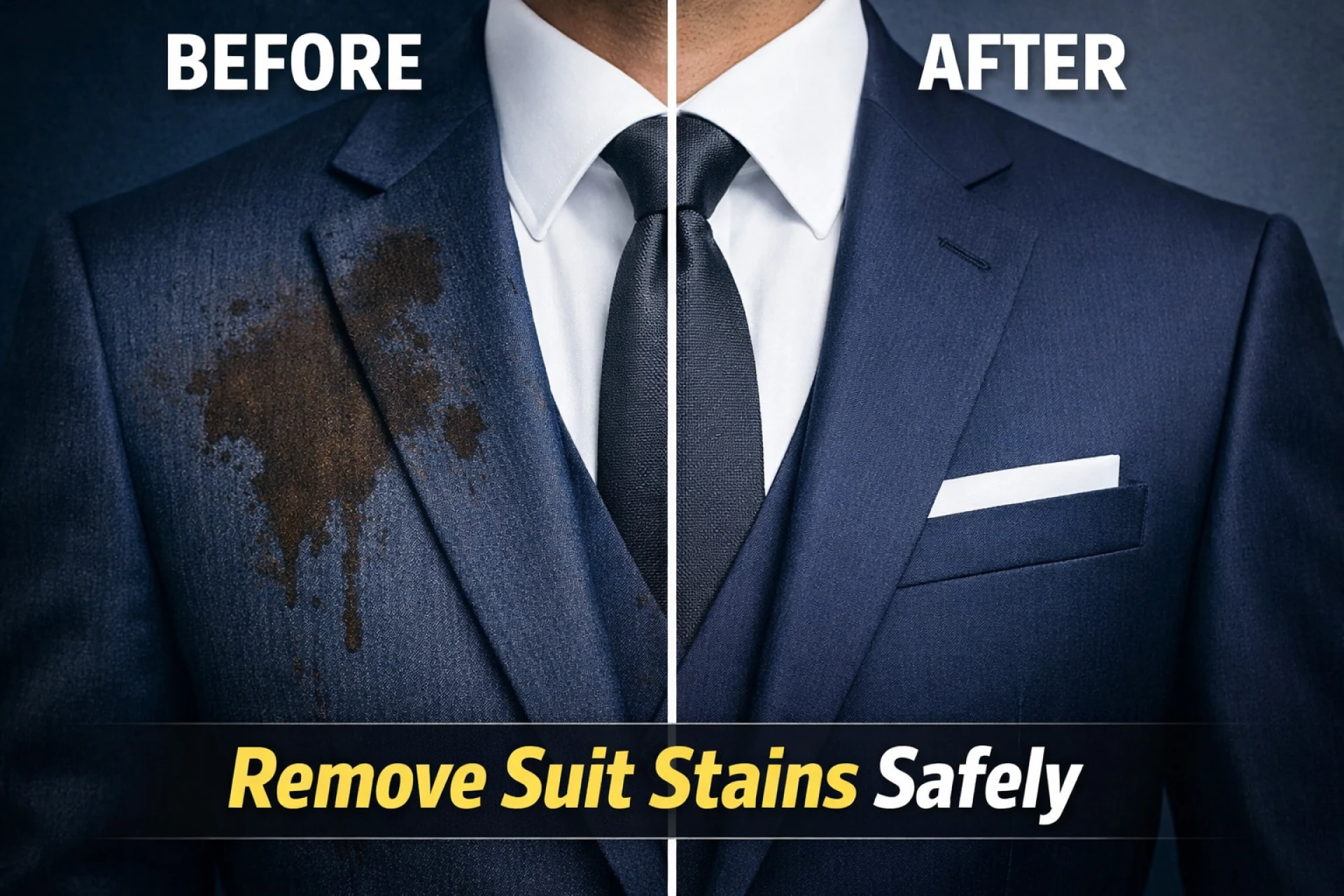
Not all stains are the same, so they require different treatments. Oil-based stains, ink marks, and food spills are treated with specific spotting agents before the main cleaning process begins. This step increases the chances of complete stain removal.
3. Cleaning with Solvent
The garments are placed in a specialized machine that looks similar to a washing machine. Instead of water, a chemical solvent is used to clean the clothes. The machine gently agitates the garments, allowing the solvent to dissolve oils and lift dirt from the fabric.
4. Drying Process
After cleaning, the same machine removes the solvent from the clothes. The solvent is filtered and reused, making the process efficient. The garments are then dried in a controlled environment to prevent damage.
5. Post-Spotting
If any stains remain after cleaning, they are treated again using professional techniques. This ensures the best possible results without harming the fabric.
6. Pressing and Finishing
Once the garments are clean, they are pressed or steamed to remove wrinkles and restore their shape. This step gives clothes a crisp, polished appearance.
7. Final Inspection and Packaging
Before returning the garments, a final quality check is performed. Clothes are then neatly folded or hung and covered to protect them until use.
Why Dry Cleaning Is Different from Regular Washing
Dry cleaning stands apart from traditional washing in several ways:
- It does not use water
- It is gentler on delicate fabrics
- It prevents shrinking and color fading
- It is more effective on oil-based stains
This makes it a preferred choice for high-quality or sensitive garments.
Types of Solvents Used in Dry Cleaning
Different types of solvents are used in the dry cleaning process, including:
- Perchloroethylene (Perc): A commonly used and effective solvent
- Hydrocarbon solvents: Gentler and less aggressive
- Silicone-based solvents: Considered more eco-friendly
- Green cleaning solutions: Designed to reduce environmental impact
Each type has its own advantages depending on the fabric and cleaning requirements.
What Types of Clothes Need Dry Cleaning?
Dry cleaning is ideal for:
- Suits, blazers, and formal wear
- Delicate fabrics like silk and wool
- Embellished or embroidered garments
- Heavy items such as coats and curtains
These items can easily lose their shape or texture if washed with water.
Benefits of Dry Cleaning
Dry cleaning offers several advantages:
- Helps extend the life of garments
- Maintains fabric quality and texture
- Effectively removes tough stains
- Preserves the original shape and structure
Are There Any Risks or Limitations?
While dry cleaning is highly effective, it does have a few limitations:
- Some stains may not be completely removable
- Certain chemicals may cause sensitivity in rare cases
- It requires professional handling and expertise
Understanding these factors helps set realistic expectations.
How Often Should You Dry Clean Your Clothes?
The frequency of dry cleaning depends on how often you wear the garment and the type of fabric. For example:
- Suits: After 3–4 wears
- Dresses: After special occasions
- Coats: Once or twice per season
Avoid over-cleaning, as it can reduce the lifespan of fabrics.
Choosing a Reliable Dry Cleaning Service
Selecting a good dry cleaning service is important for proper garment care. Consider:
- Experience in handling different fabrics
- Cleaning methods and technology used
- Customer feedback and reviews
- Transparency in pricing
For instance, if you want to understand how professional services typically operate, you can explore Best Dry Cleaning Services in Abu Dhabi to see what a complete service process looks like in practice.
Common Myths About Dry Cleaning
There are several misconceptions about dry cleaning:
- “Dry cleaning uses no liquid” – It uses liquid solvents, not water
- “It damages clothes” – When done correctly, it protects fabrics
- “It’s only for expensive garments” – It’s useful for many fabric types
Tips to Get the Best Results from Dry Cleaning
To make the most of dry cleaning:
- Avoid leaving stains for too long
- Inform cleaners about the type of stain
- Always check care labels
- Don’t overuse dry cleaning unnecessarily
Conclusion
Dry cleaning is a specialized process designed to clean and protect delicate garments that cannot be washed with water. From inspection and stain treatment to finishing and packaging, each step is carefully carried out to maintain the quality and appearance of your clothes.
Understanding what dry cleaning involves helps you make better decisions about garment care and ensures your clothes stay in great condition for years to come.




























Sign in to leave a comment.