


A project can look straightforward on a drawing, then become far more complicated once crews reach the site. Tight access, buried services, changing levels, delivery limits, and live operations can all affect how the work is built. If these issues appear late, even a small change can slow several teams. The better approach is to connect design and delivery from the start. In this article, we will discuss how clear coordination helps difficult infrastructure work move from planning to installation with fewer surprises.
Making Designs Fit the Site Properly
Experienced infrastructure contractors in UK know that a good drawing still has to work in the real world. Before work begins, teams need to understand access, ground conditions, existing services, working hours, and nearby activity. For example, a drainage route may look clear on paper but clash with a buried utility once excavation starts. On a retail site, installation may also need to happen outside trading hours. Checking these details early gives everyone time to adjust the plan calmly instead of making rushed changes once crews and materials are already on site.
Linking Fabrication with Installation Needs
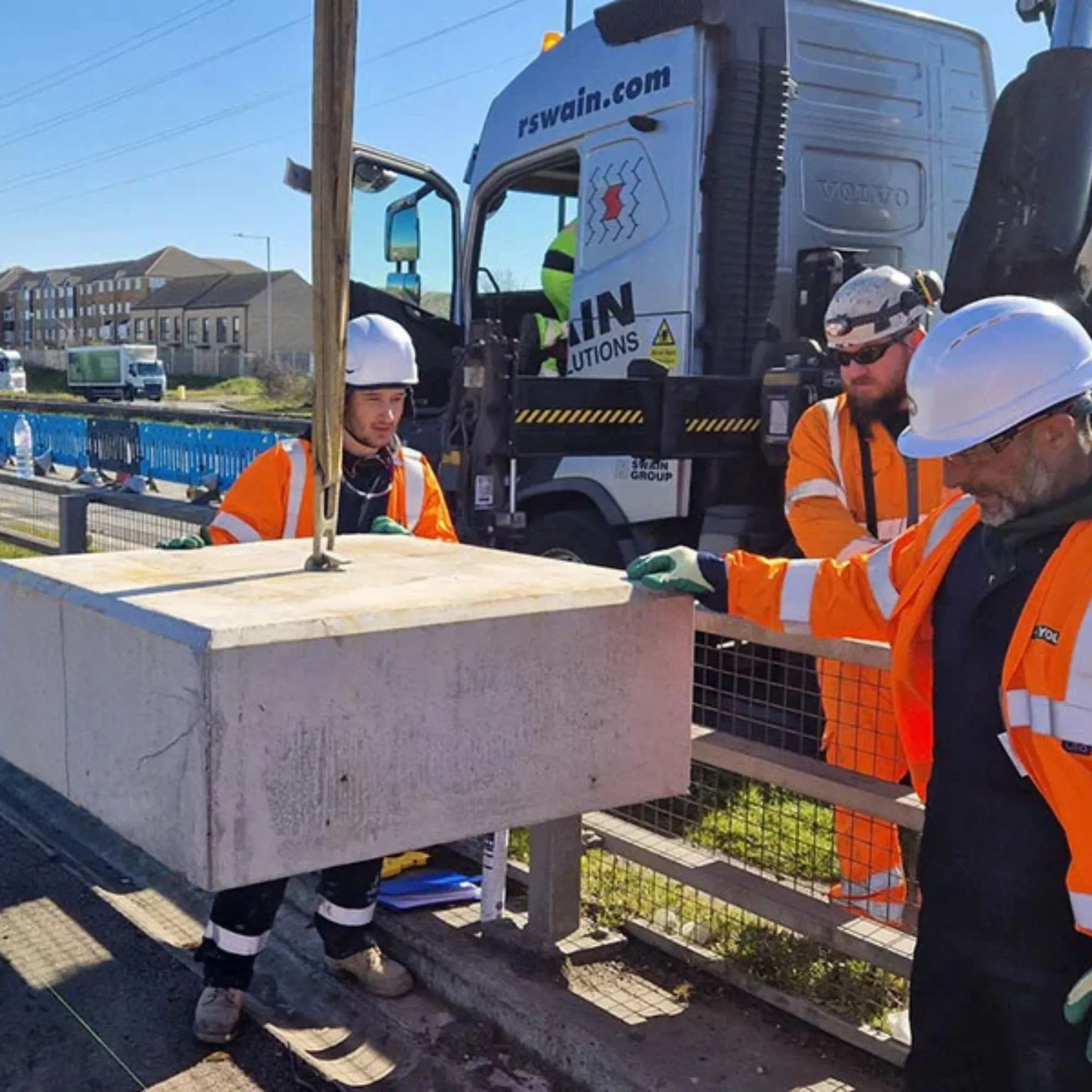
Good engineering infrastructure services keep workshop decisions closely tied to the way components will be delivered and fitted. Size, weight, fixing points, lifting needs, and tolerances all matter. A steel section might be perfectly made but still cause trouble if a crane cannot reach the lifting area or the delivery vehicle cannot enter the site. That kind of problem is frustrating because it is often avoidable. In my view, a short buildability review before fabrication starts can save a lot of time, money, and unnecessary rework later.
Checking Key Details Before Work Moves Forward
Reliable civil engineering services in UK should include a few simple checks before design information becomes final or materials are ordered.
1.Confirm site measurements before fabrication starts
2.Check access for cranes, plant, and delivery vehicles
3.Compare drawings with existing utilities and structures
4.Agree inspection points before installation begins
5.Record design changes before ordering materials
6.Confirm the work sequence with the main site teams
These checks are simple, but they help prevent confusion. They also make sure designers, fabricators, managers, and installers are all working from the same information before the next stage begins.
Making Handover Useful for the People Who Follow
The best engineering infrastructure services should leave clients with more than a finished structure. Clear drawings, inspection records, maintenance notes, and change logs are just as important once the site team has left. Future maintenance crews may know very little about the original work, especially on council, utility, retail, or secure sites. Good records show what was installed and where important details sit. That makes later inspections and repairs easier. It can also reduce unnecessary digging, repeat surveys, and guesswork when the asset needs an upgrade several years later.
Conclusion
Complex infrastructure work runs more smoothly when design, fabrication, installation, and site conditions stay connected. Early checks, realistic planning, clear communication, and useful records help teams avoid clashes, reduce rework, and move through each stage with fewer last-minute problems.
Triangle Ltd supports projects across the South of England and is expanding into Wales and the Midlands. Through design, project management, fabrication, installation, and ongoing maintenance, the company helps clients handle difficult infrastructure work with a practical, joined-up approach.
Frequently Asked Questions
Question: Why should site conditions be checked before fabrication starts?
Answer: Site checks can reveal access limits, buried services, level changes, lifting problems, and measurement differences. Finding these issues early gives teams time to adjust the design before materials are made or delivered.
Question: How can design and installation teams avoid mistakes?
Answer: They should work from updated drawings, share changes quickly, and agree on key checks before work continues. Regular communication makes it easier to solve small issues before they turn into expensive site problems.
Question: Why are handover records important after the work is finished?
Answer: They show what was installed, changed, inspected, and approved. Future maintenance teams can use this information to plan repairs, inspections, or upgrades without having to rediscover important details.
























Sign in to leave a comment.