
Parking management is more than just allocating spaces; it’s about optimizing revenue, enhancing user experience, and contributing to urban mobility. In this article, we explore critical factors that businesses must consider when selecting parking revenue systems. From pricing strategies to automated car parking solutions, we delve into the intricacies of efficient parking operations. Let’s navigate the world of parking revenue models, software, and smart management tools to create seamless parking experiences for all.
Understanding the Parking Revenue Model
A parking revenue model outlines how an organization generates income from its parking facilities. It encompasses various aspects, such as pricing strategies, payment methods, and utilization rates. Businesses must consider the following factors:
Pricing Strategies: Decide whether to charge hourly rates, flat fees, or implement dynamic pricing based on demand and peak hours.Payment Methods: Evaluate options like cash, credit cards, mobile apps, or contactless payments.Utilization Rates: Analyze historical data to optimize revenue by adjusting rates during high-demand periods.Parking Lot Software
Parking lot software plays a crucial role in managing parking operations efficiently. Key considerations include:
Space Availability: Real-time monitoring of available parking spaces helps drivers find spots quickly.Reservation Systems: Implementing reservation platforms allows users to book parking spaces in advance.Enforcement Tools: Software for parking enforcement ensures compliance with regulations.Reporting and Analytics: Access to data on occupancy rates, revenue, and trends aids decision-making.3. Automated Car Parking Systems (APS)
An automated car parking system optimizes space utilization by stacking vehicles vertically. Here’s how it works:
Driverless Operation: Cars are transported from the entrance to their parking spaces without driver intervention.Types of APS:Robotic Parking Garages: Mechanized systems stack cars efficiently.Automated Vehicle Storage and Retrieval Systems (AVSRS): Elevators move unaccompanied cars to upper decks.Paternoster Design: Ferris-wheel-like structures maximize parking capacity.History: APS dates back to 1905 in Paris, France, and has evolved over time.Parking Management Systems
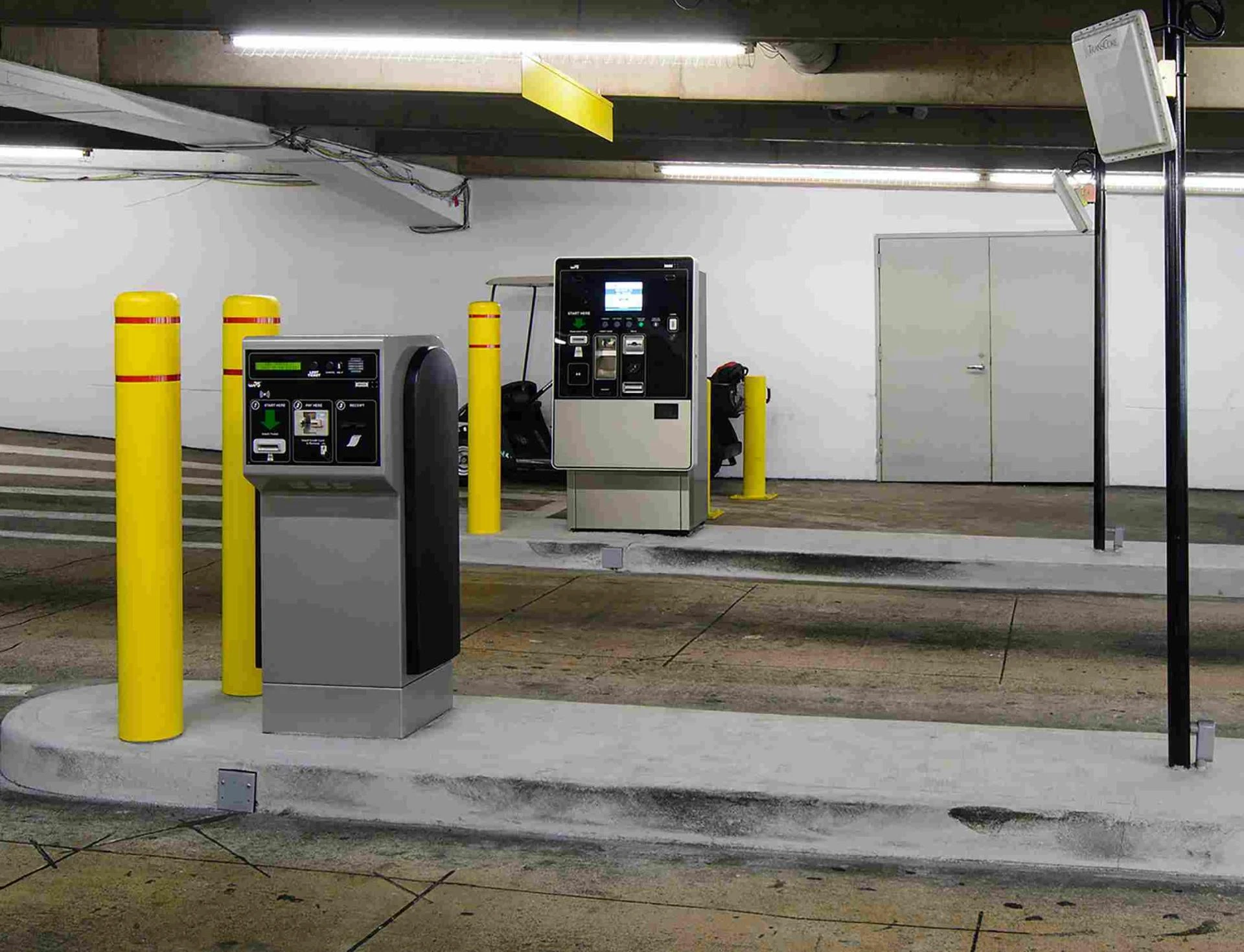
A comprehensive parking management system combines hardware and software to efficiently oversee parking areas. Key components include:
Hardware: Includes parking equipment (gates, meters, sensors) and infrastructure (signage, EV charging stations).Software: Manages reservations, payments, enforcement, and reporting.Maintenance and Support: Regular maintenance and technical assistance are crucial for functional equipment.Mobile Payment Apps: Enable users to pay for parking remotely via mobile apps.Permits and Digital Marketing: Offer monthly parking permits and promote parking facilities online.Conclusion
In conclusion, selecting an efficient parking revenue system is pivotal for businesses aiming to optimize revenue streams while enhancing user experiences in urban settings. From strategizing pricing models to embracing innovative technology like commercial surveillance camera systems, thorough consideration of various factors is imperative. Parking lot software facilitates real-time monitoring and reservation systems, while automated car parking systems revolutionize space utilization. A holistic parking management system, comprising robust hardware, sophisticated software, and attentive maintenance, ensures seamless operations. By embracing these elements, businesses can not only maximize revenue but also contribute to the smooth flow of urban mobility, fostering a more connected and efficient urban landscape.


























Sign in to leave a comment.