
Gallstones can develop quietly, but when they cause symptoms, the pain can be sudden and difficult to ignore. Many people wonder whether their everyday food choices could be contributing to gallstone formation and whether changing their diet can lower the risk. The good news is that a balanced eating pattern can support gallbladder health and may help reduce some risk factors associated with gallstones.
If you are experiencing repeated abdominal discomfort, especially after meals, consulting an experienced gastro specialist is important. For patients looking for a best gastro surgeon in Ahmedabad, Dr. Sourabh Damani provides expert guidance for gallbladder and digestive conditions, including evaluation and treatment of gallstones.
Which Foods Should You Limit to Reduce the Risk of Gallstones?
There is no single food that directly causes every case of gallstones. However, diets high in unhealthy fats, refined carbohydrates, and added sugars may increase the risk, particularly when combined with excess weight or rapid weight changes.
Consider limiting the following foods:
1. Fried and Deep-Fried Foods
Fried foods can contain high amounts of saturated and trans fats. Regularly eating items such as:
- Samosas and kachoris
- French fries
- Fried snacks
- Pooris and bhaturas
- Deep-fried fast food
may make it harder to maintain a healthy diet and weight.
You do not necessarily have to eliminate every fried food forever, but reducing how often you eat them is a sensible choice.
2. Foods High in Saturated Fat
Large amounts of saturated fat can be found in foods such as fatty cuts of meat, butter, ghee, cream, and some full-fat dairy products.
Instead of relying heavily on these foods, choose healthier fat sources in moderate portions, such as nuts, seeds, and plant-based oils.
3. Processed and Fast Foods
Burgers, pizza, packaged snacks, processed meats, and other highly processed foods may contain a combination of unhealthy fats, refined carbohydrates, and excess calories.
Eating these foods occasionally is different from making them a regular part of your diet. The overall eating pattern matters more than one particular meal.
4. Sugary Foods and Drinks
Frequent consumption of foods and drinks high in added sugar may contribute to excess calorie intake and weight gain.
Try to limit:
- Soft drinks
- Sweetened packaged beverages
- Cakes and pastries
- Candy
- Excess sweets
- Sugary desserts
Water, unsweetened beverages, and whole fruits are generally better everyday choices.
Can Eating Too Much Fat Cause Gallstones?
Fat itself is not something you need to completely avoid. Your body needs some dietary fat for normal functions. The concern is the type and amount of fat you consume.
A diet dominated by fried foods and unhealthy fats can contribute to excess calorie intake and weight-related problems. On the other hand, completely eliminating fat is not recommended either.
A balanced approach is more practical:
- Choose healthier unsaturated fats in moderate amounts.
- Reduce deep-fried foods.
- Limit foods containing trans fats.
- Choose leaner sources of protein.
- Include vegetables, fruits, and whole grains regularly.
If fatty meals repeatedly trigger abdominal pain, nausea, or bloating, discuss these symptoms with a doctor rather than simply changing your diet without an evaluation.
What Foods Can Support Better Gallbladder Health?
Instead of focusing only on foods to avoid, it can be more helpful to build a balanced diet around foods that provide fiber and support a healthy weight.
Consider including:
- Fresh vegetables
- Whole fruits
- Whole grains
- Beans and lentils
- Lean proteins
- Nuts and seeds in moderate portions
- Low-fat or appropriate dairy choices
- Adequate water
Fiber-rich foods can help support overall digestive health and make it easier to maintain a healthy weight.
Can Skipping Meals Increase Gallstone Risk?
Your eating pattern may matter as well. Frequently skipping meals or following extreme diets can make healthy weight management more difficult.
Long periods without food and very-low-calorie diets can be associated with a higher risk of gallstones, particularly when they lead to rapid weight loss.
If you want to lose weight, aim for gradual and sustainable weight loss rather than crash dieting.
What Other Factors Increase the Risk of Gallstones?
Food is only one part of the picture. Gallstones can develop because of several factors, including:
- Being overweight or having obesity
- Rapid weight loss
- Certain diets or prolonged fasting
- Increasing age
- Family history
- Pregnancy
- Certain medical conditions
- Some medications
- Changes in bile composition
This is why developing gallstones does not necessarily mean you have been eating the “wrong” foods. Sometimes they occur despite healthy lifestyle habits.
What Symptoms Should Make You See a Doctor?
Some gallstones cause no symptoms and may be discovered incidentally. Others can cause a condition known as biliary colic, which commonly produces pain in the upper right or upper middle abdomen.
You should seek medical evaluation if you experience:
- Repeated pain in the upper abdomen
- Pain after eating, particularly heavy meals
- Pain that spreads toward the back or right shoulder
- Nausea or vomiting
- Fever or chills
- Yellowing of the skin or eyes
- Dark urine or unusually pale stools
Severe or persistent abdominal pain, fever, jaundice, or repeated vomiting should not be ignored because these symptoms can sometimes indicate a complication requiring prompt treatment.
Can Diet Alone Get Rid of Gallstones?
Dietary changes can support healthier eating habits and may reduce certain risk factors, but diet does not dissolve most established gallstones.
If gallstones are causing repeated symptoms, a doctor may recommend further evaluation with imaging, commonly an ultrasound. Treatment depends on the size and location of the stones, symptoms, and whether complications are present.
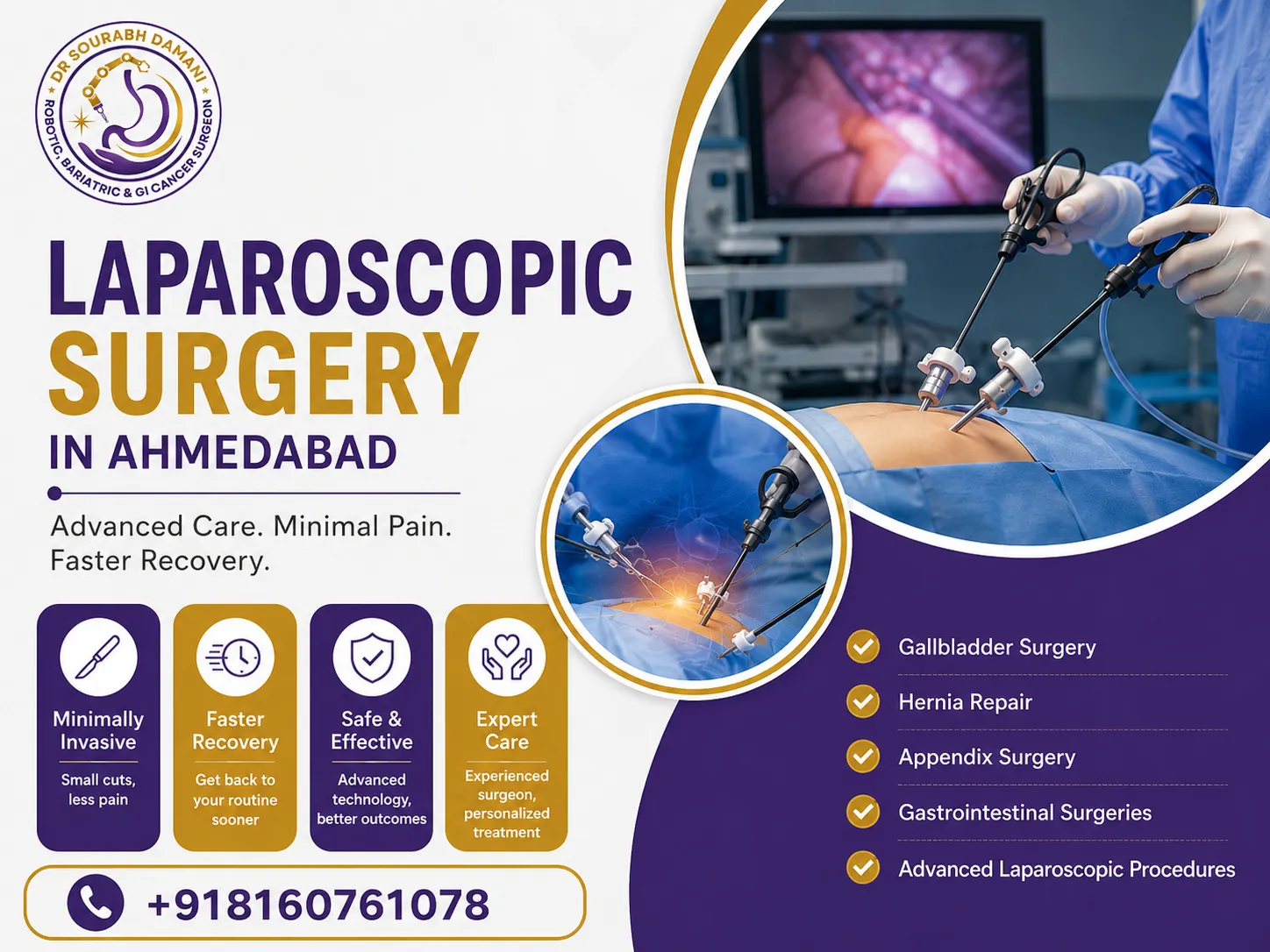
When surgery is recommended for symptomatic gallstones, laparoscopic gallbladder removal, also called laparoscopic cholecystectomy, is commonly used.
How Can You Lower Your Future Risk?
A few realistic lifestyle habits can support gallbladder and overall digestive health:
- Maintain a healthy weight.
- Avoid crash diets and rapid weight loss.
- Eat regular, balanced meals.
- Increase fiber-rich foods gradually.
- Limit fried and highly processed foods.
- Reduce excess added sugar.
- Stay physically active.
- Drink enough water.
- Follow your doctor's advice if you already have gallstones.
The goal is not to create an extremely restrictive diet. It is to develop eating habits that you can realistically maintain over time.
A Practical Approach to Gallstone Prevention
There is no need to become afraid of food after learning about gallstones. Instead, focus on balance. A diet rich in vegetables, fruits, whole grains, and appropriate protein, combined with regular physical activity and gradual weight management, can support better digestive health.
If you already have gallstones or are experiencing recurring abdominal pain, dietary changes should not replace proper medical evaluation. Dr. Sourabh Damani can assess your symptoms and help determine whether monitoring, further testing, or treatment is appropriate.
Final Thoughts on Protecting Your Gallbladder Health
Knowing what foods to avoid to prevent gallstones can help you make healthier everyday choices, but diet is only one factor involved in gallstone formation. Reducing fried and highly processed foods, limiting excess sugar, avoiding crash diets, and maintaining a healthy weight are sensible steps for long-term digestive health.
If you have persistent abdominal pain or symptoms that may be related to gallstones, getting an accurate diagnosis is more important than simply changing your diet. If you are searching for a best gastro surgeon in Ahmedabad, Dr. Sourabh Damani can provide professional evaluation and guidance based on your symptoms and individual health needs.


























Sign in to leave a comment.