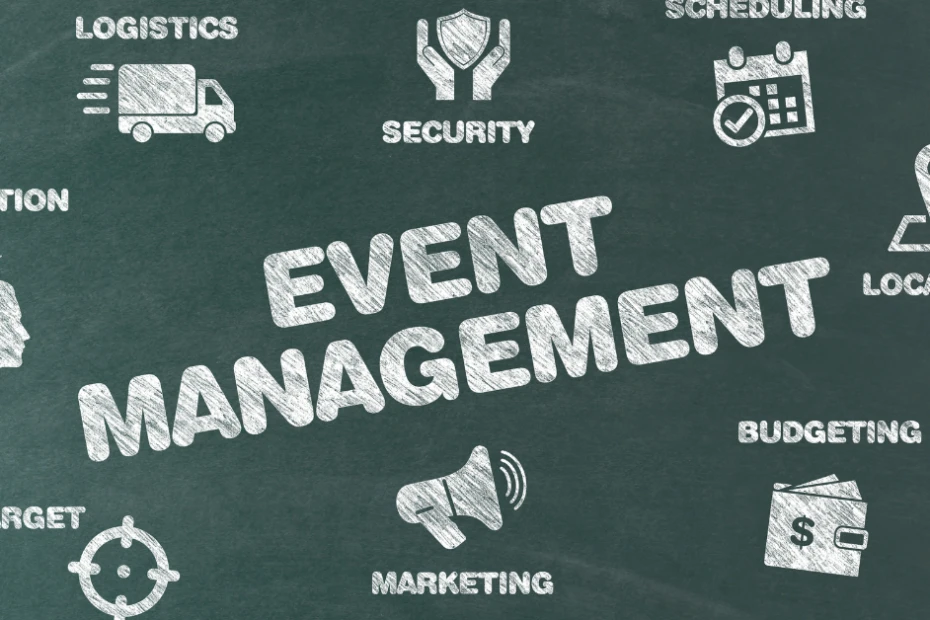

Putting together an event sounds simple until you actually try to do it. There are a hundred moving parts, from booking the right venue to making sure the sound system does not cut out halfway through a presentation. Whether it is a corporate conference, a product launch, a wedding, or a music festival, the amount of planning that goes on behind the scenes is massive. Most people only see the final result. They do not see the months of work that went into making it happen.
Why Professional Help Makes a Difference
Some people try to handle everything themselves. For a small birthday party or a casual braai, that works fine. But when the guest list grows past fifty people or when there are sponsors, speakers, and media involved, the job gets complicated fast. That is where professional event management comes in.
A good team will handle logistics, timelines, supplier coordination, and all the little things that most people would not even think of. They know which venues work for which types of gatherings. They know how much lead time caterers need. They know what permits are required and when to apply for them. All of that knowledge comes from experience, and it is the kind of thing that saves you from last-minute disasters.
Working with an event management company does not mean giving up control. It means having a team that takes your vision and turns it into something real while you focus on what matters most to you, whether that is your brand, your message, or your guests.
What Good Event Organisers Actually Do
There is a common idea that event organisers just pick a venue and order some food. The reality is a lot more involved than that. A well-run event starts with a clear brief. What is the purpose? Who is the audience? What is the budget? Once those questions are answered, the planning starts in full.
The logistics alone can be overwhelming. Transport, parking, signage, seating layouts, audio-visual equipment, Wi-Fi access, backup generators, security. The list goes on. Then there is the creative side. Stage design, lighting, branding, and décor all play a part in setting the right tone. And on the day itself, someone needs to manage the schedule, handle any problems that come up, and keep everything running on time.
Experienced event planners have dealt with everything from rain pouring through a marquee roof to a keynote speaker missing their flight. They have backup plans for their backup plans. That kind of preparation is what separates a smooth event from a chaotic one.
Choosing the Right Team
Not every event company is the same. Some specialise in corporate functions. Others focus on weddings or festivals. A few do it all. The right fit depends on what you need.
When comparing your options, look at their past work. Ask for case studies or examples of events they have run that are similar to yours. Check if they have relationships with reliable suppliers. And talk to them about how they handle problems. A team that is honest about the challenges and has a clear plan for dealing with them is worth more than one that just tells you everything will be perfect.
Budget is another big factor. A good team will be upfront about costs and help you get the most out of what you have to spend. They will tell you where it makes sense to invest and where you can cut back without anyone noticing.
The Role of Video at Events
One thing that has changed a lot in the last few years is how much video matters at events. It is no longer enough to just host a great gathering. You need to capture it properly so the content can be used afterwards for marketing, for social media, for internal communications, or just as a record of what happened.
Good video production at an event means more than someone walking around with a camera. It means multiple angles, proper lighting setups, wireless microphones on the speakers, and a plan for editing the footage into something usable. A two-day conference might produce hours of raw footage, but the real value comes from cutting it down into short clips, recap videos, and speaker segments that can be shared long after the event is over.
Live streaming has become a big part of events too. Hybrid events where some people attend in person and others watch from home are now common. Getting the streaming right takes technical skill, from camera switching to audio mixing to a stable internet setup that will not drop out during the main talk.
Adding Animation and Motion Graphics
Something that can lift the look of any event is custom animation. Think about the countdown videos you see before a keynote starts, or the branded transitions between segments at a conference. Those do not just appear out of thin air. They are created by skilled teams who understand motion, timing, and visual storytelling.
Working with an animation studio in South Africa gives you access to people who can build everything from simple logo animations to full explainer videos that play on the big screen during your event. Animated content grabs attention in a way that static slides never will. It gives your event a polished, professional feel that leaves a lasting impression on the people who attend.
Animation is useful for more than just the event itself. The same content can be repurposed for social media posts, email campaigns, and presentations long after the day is done. That makes it a smart investment rather than a once-off expense.
Getting the Most Out of Your Event
The best events do not just happen on the day. They start weeks or months before with proper promotion, and they continue long after with follow-up content. Sending a post-event video to everyone who attended keeps the experience fresh in their minds. Sharing clips on social media extends your reach to people who were not even there.
If you are running a corporate event, think about what you want people to walk away with. Is it a new product they now understand? A stronger sense of your brand? A network of contacts they made during the networking session? Knowing your goal makes it easier to plan every detail around it.
For social events like weddings or milestone celebrations, the goal is usually simpler. Make sure everyone has a great time and capture the memories properly. But even then, the planning and coordination behind the scenes is what makes the difference between a night people talk about for years and one they forget by the following weekend.
Whatever the size or type of event you are planning, the principles are the same. Start early, get the right people involved, sweat the small details, and always have a plan B. Do that, and you are already ahead of most.










Sign in to leave a comment.