

A few semesters ago, I submitted a recursive programming assignment and got full marks.
The code compiled. The test cases passed. The feedback was positive.
I moved on.
A couple of weeks later, while preparing for an exam, I came across a similar problem and expected it to feel familiar.
It didn't.
I recognized the syntax immediately, but when I tried to rebuild the solution from scratch in my code editor, I got stuck almost instantly. I couldn't explain the recursive flow clearly, and I couldn't reproduce the implementation without looking back at the original submission.
That experience forced me to ask an uncomfortable question:
Was I actually learning, or was I just getting assignments done?
Why I Started Using TutorBin
I first started using TutorBin during a semester that felt unmanageable.
I was taking Data Structures, Computer Organization, and a general education course that required multiple research papers. At the same time, deadlines seemed to overlap constantly.
I discovered TutorBin through another student who had used it for technical coursework.
Initially, it helped a lot.
When I got stuck on a difficult assignment, I received worked solutions and explanations that helped me move forward. Instead of spending hours staring at a blank screen, I could review approaches that were already structured and functional.
For a student trying to stay on track academically, that support mattered.
The Problem I Didn't Notice
TutorBin wasn't the problem.
The problem was how I was using it.
Over time, I developed a habit that many students will probably recognize.
I would review a solution, understand it at a high level, submit the assignment, and immediately move on to the next deadline.
What I wasn't doing was rebuilding the solution on my own, testing different approaches, or explaining the logic without notes.
Because assignments were getting completed successfully, I assumed I understood the material.
The exam proved otherwise.
When the Gap Became Obvious
The real wake-up call came while I was preparing for internship interviews.
I had listed several academic projects on my résumé and felt confident enough to talk about them.
During one mock interview, I was asked a follow-up question I should have been able to answer.
The interviewer asked why I had chosen one approach instead of another.
I froze.
I knew what the code did.
I couldn't explain why it had been designed that way.
That moment bothered me far more than the exam.
I realized that writing code isn't just about producing something that works. It's also about understanding the decisions behind it and being able to explain those decisions clearly.
And those skills only develop when you spend time engaging deeply with the work itself.
What I Changed
After that experience, I changed the way I approached outside academic support.
Instead of asking:
"How do I finish this assignment?"
I started asking:
“Could I rebuild this solution on my own tomorrow?”
That shift changed how I approached every assignment afterward.
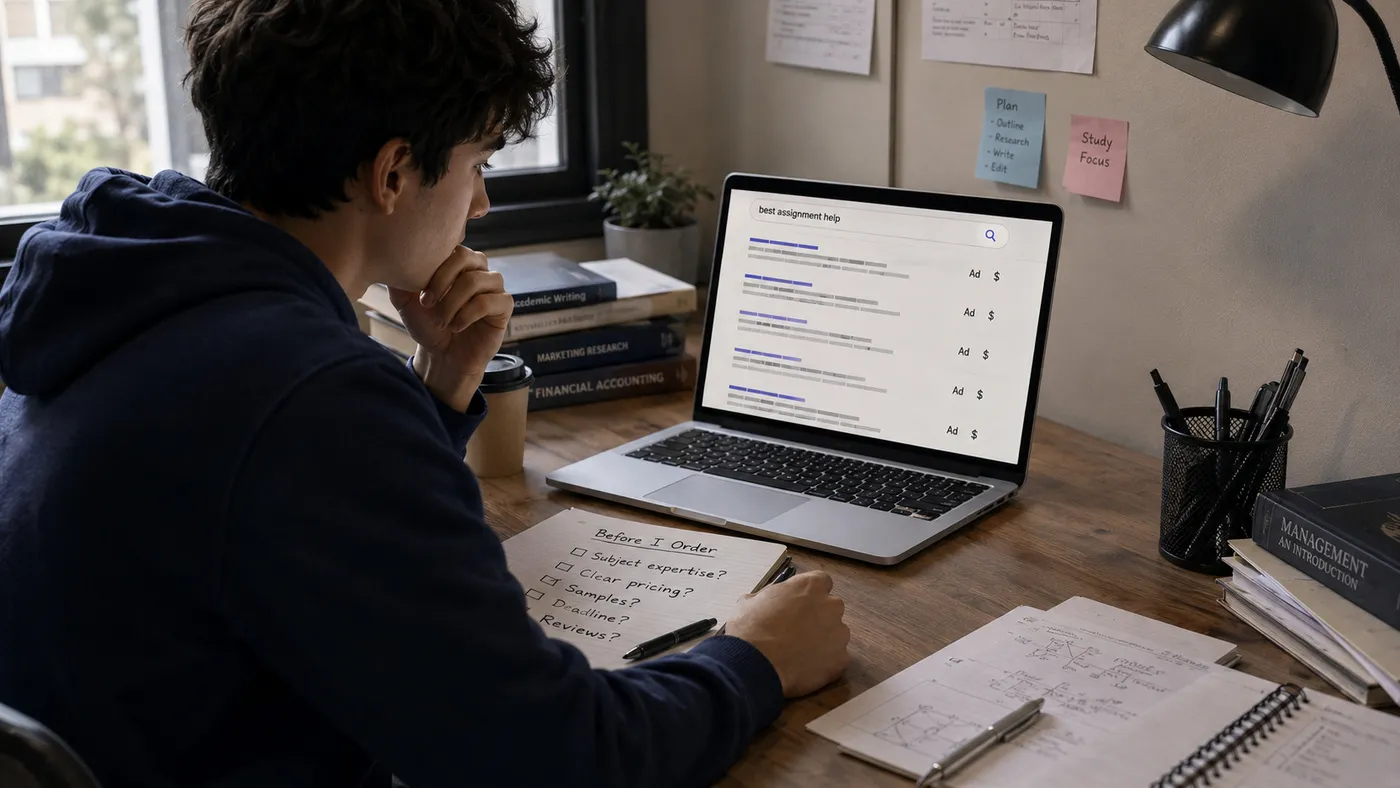
While looking for support resources that emphasized explanation alongside completion,
I eventually came across AssignmentDude, which appeared to place greater emphasis on concept reinforcement and understanding the reasoning behind solutions rather than treating code as a finished product.
More importantly, I changed my own study process.
Whenever I reviewed external help, I made myself go back and rewrite parts of the solution from memory. I experimented with different versions, tested unusual inputs, and tried explaining the logic to myself without looking at notes.
If I couldn't explain why a particular approach worked, I knew I hadn't understood it well enough yet. Progress felt slower.
But I actually started retaining what I was learning.
Final Thoughts
Looking back, I don't regret using TutorBin.
During difficult semesters, it helped me manage workload pressure and avoid falling behind.
But my experience taught me that completing assignments and understanding assignments are not always the same thing.
External academic support can be valuable. The important question is what you expect it to do.
If your goal is surviving an overwhelming week, one type of support may help. If your goal is building long-term confidence in your abilities, you'll eventually need to move beyond finished answers and spend time understanding the reasoning behind them.
The biggest lesson I learned was that no platform can replace active engagement with your own work.
Because sooner or later, you'll be asked to explain something you once submitted with confidence.
And that's usually when you discover what you truly understand.
























Sign in to leave a comment.