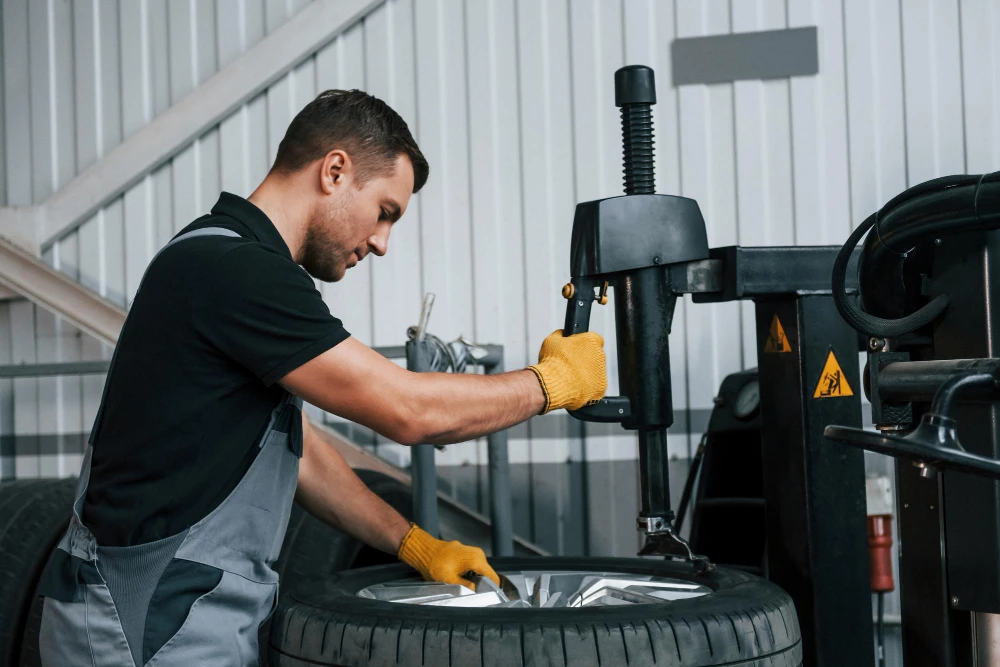
Tires play a crucial role in keeping your vehicle safe on the road. However, many drivers neglect them until it's too late. Worn-out tires can lead to accidents, poor vehicle performance, and costly repairs. Regular tire replacement service is essential to maintain safety and efficiency. But what happens if you don't replace your tires on time? Let's explore the risks and consequences of delaying this critical maintenance task.
The Risks of Driving on Worn-Out Tires
1. Increased Risk of Accidents
Old tires lose their grip, making it harder to stop or turn. This is especially dangerous in rainy or snowy conditions. Bald tires can cause your car to slide, leading to potential crashes. Studies show that worn tires increase stopping distance by up to 50%, making emergency braking nearly impossible in some cases.
2. Poor Fuel Efficiency
Worn-out tires create more friction, making your engine work harder. This results in increased fuel consumption. Replacing your tires on time ensures better gas mileage and saves you money. According to the U.S. Department of Energy, properly inflated and maintained tires can improve gas mileage by up to 3%.
3. Blowouts and Sudden Tire Failure
Aged tires are prone to cracks, bulges, and weak spots. These issues can cause a sudden blowout while driving at high speeds, which can lead to loss of control and serious accidents. High temperatures and rough roads increase the risk of tire failure, making timely replacement even more crucial.
4. Poor Vehicle Handling
Old tires affect how your car responds to steering and braking. You may notice your vehicle swaying or not stopping as quickly. A professional tire replacement service helps restore control and handling. Modern tire technology is designed to improve traction and stability, ensuring your car performs at its best.
5. Legal and Insurance Issues
Driving on bald tires may violate safety regulations in some areas. If you get into an accident due to bad tires, your insurance company may refuse to cover damages. Keeping your tires in good condition ensures compliance and protection. Some states have strict tread depth laws, meaning you could be fined if your tires do not meet legal requirements.
Signs You Need a Tire Replacement
1. Low Tread Depth
Tire treads help your vehicle grip the road. If they wear down, it's time for a tire replacement service. You can check tread depth using a penny test: If you see Lincoln's head fully, your tires need replacing. Modern tread depth gauges are more accurate, ensuring your tires meet safety standards.
2. Visible Cracks and Bulges
Cracks in the sidewall or bulging areas indicate tire weakness. These signs mean your tires could fail at any moment. Don't ignore them! Small cracks may seem harmless but can quickly worsen under high-speed conditions.
3. Frequent Air Pressure Issues
If your tires keep losing air, they may have small leaks or weak spots. Constantly refilling the air is a temporary fix. The best solution is a proper tire replacement service. Slow leaks can indicate internal damage, which may not be visible but could lead to sudden failure.
4. Vibrations and Shaking
Excessive shaking or vibrations while driving could mean your tires are unevenly worn. This affects stability and increases wear on other car parts. Uneven wear is often caused by poor alignment, which should be checked during tire replacement.
5. Strange Noises
Unusual noises while driving can be a warning sign. If you hear a humming or thumping sound, it could indicate worn-out tires. These noises often result from improper balancing, misalignment, or internal tire damage.
How Often Should You Replace Your Tires?
1. Check Manufacturer Guidelines
Most tires last between 25,000 and 50,000 miles. However, this depends on driving habits and road conditions. Always follow the manufacturer's recommendations. Performance tires may wear out faster, while high-mileage tires are designed to last longer.
2. Inspect Your Tires Regularly
Check your tires for signs of wear every month. Look for cracks, tread wear, and air pressure levels. Routine inspections can help catch minor issues before they become significant problems.
3. Consider Climate and Driving Conditions
Hot weather, rough roads, and frequent heavy loads wear tires faster. If you drive under these conditions, you may need a tire replacement service sooner. High-speed driving and sudden braking also contribute to premature tire wear.
The Benefits of Timely Tire Replacement
1. Improved Safety
New tires provide better traction, reducing the risk of accidents. They improve braking distance and control in wet or icy conditions. Studies show that replacing worn tires can minimize accident risks by up to 30%.
2. Better Fuel Economy
Fresh tires reduce resistance, making your car more fuel-efficient. This helps you save money on gas. A study by the National Highway Traffic Safety Administration found that properly maintained tires can save hundreds of dollars per year in fuel costs.
3. Smoother Driving Experience
Worn-out tires make your ride bumpy and noisy. Replacing them ensures a quieter and more comfortable drive. Modern tires feature noise-reduction technology, improving your overall driving experience.
4. Higher Resale Value
If you plan to sell your car, good tires increase its value. Buyers prefer well-maintained vehicles, including recent tire replacement service. A well-maintained car with new tires can fetch a higher price on the market.
Conclusion
Neglecting your tires is dangerous and costly. Worn-out tires affect safety, fuel efficiency, and overall vehicle performance. Regularly inspecting and replacing your tires ensures a smoother and safer ride. Don't wait until it's too late. Schedule a tire replacement service and drive with confidence! Taking care of your tires enhances your driving experience and protects your wallet and safety.
























Sign in to leave a comment.