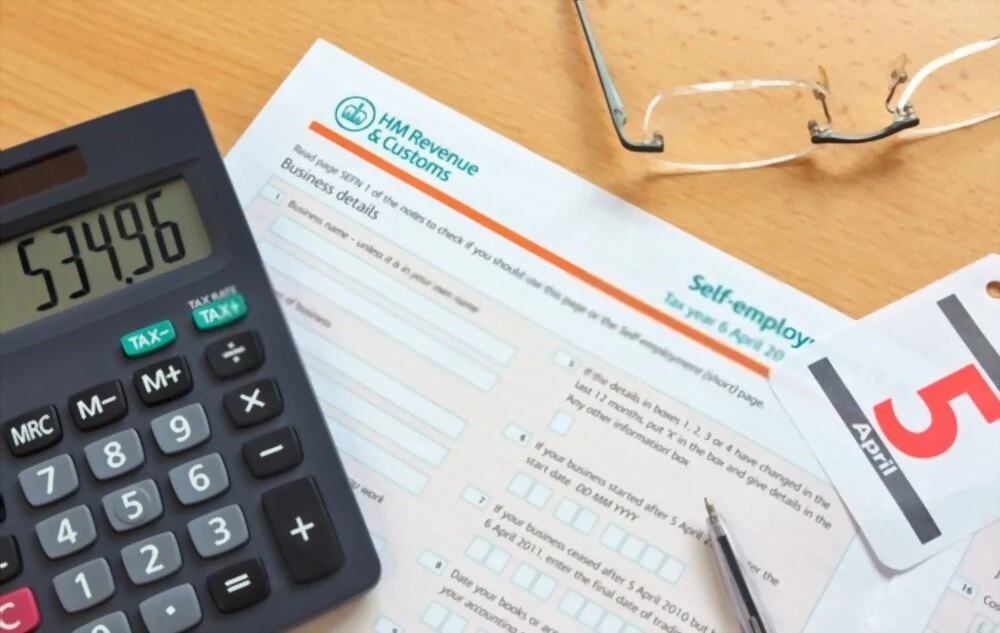

HMRC has the authority to investigate any return and seek any information in order to determine whether it is correct. There is no need to give a reason, and it will almost certainly not be revealed.
An example of a question could be:
Checking a return in its entirety, including the accounts.Random – normal procedures as part of a larger campaign on tax evasion, maybe targeting high-risk enterprises. The construction industry, private health care experts, and, more recently, individuals connected with cryptocurrencies and obviously ‘cash' enterprises have all been targeted in previous investigations.Aspect (also known as a "compliance check").A comprehensive investigation is both costly and time-consuming for both parties, so if a company is the subject of one, it will be for a good reason – at least in the eyes of HMRC. As a result, an enquiry letter is more likely to be for an aspect enquiry, in which HMRC examines certain areas or allegations connected to a return, such as a tax return.
When turnover is substantial, HMRC may receive information that a property is let but the owner has not completed the letting sections of the return, or the taxpayer may declare a tiny amount of tax. Some compliance checks begin as ‘aspect' checks before progressing to full investigations if HMRC suspects major concerns.
Which Companies Can Be Selected?
HMRC uses a variety of methods to identify cases, including technology that collects data, analyses information, and flags prospective cases. Their ‘Connect' computer system gathers data from a variety of sources, including newspaper advertisements indicating a trade but no accounts submitted, lists of market stall holders, DVLA records, racehorse and owner data, estate agent details of rental properties or house sales, local authority lists, planning applications, Land Registry, credit card information from issuers, and data from compliant credit cards.
However, calls to HMRC's fraud hotline or submission of an online form labelled "HMRC Fraud Hotline - Information Report Form" result in a significant number of investigations. HMRC is currently focusing on ‘compliance checks' in relation to potential CJRS fraud. HMRC thinks that between 5% and 10% of CJRS awards contain errors or have been fraudulently claimed, and that it has received over 21,000 allegations of suspected CJRS fraud from the public; 26,000 cases are being investigated, some of which include criminal investigations. The procedure is part of the government's commitment to fund a Taxpayer Protection Taskforce to investigate fraud with any coronavirus assistance package.
Process of Inquiry
The receipt of a letter accompanied by a Code of Practice leaflet indicating the type of enquiry, the information required to be submitted, and the deadline for delivering this information is the first indicator of a complete inquiry. A Statement of Assets may be included, allowing the Inspector to determine whether any assets were bought that HMRC was unaware of, and that were paid with concealed profits.
At the conclusion of an investigation, a Disclosure Report will be provided, which will include a Certificate of Full Disclosure signed by the taxpayer, stating that a full disclosure has been made "to their best knowledge and belief." If any additional tax is owed, a tax penalty will be imposed, the amount of which will be calculated by taking into account the reasons for the underpayment as well as the amount owed.
HMRC is investigating whether the taxpayer has "received a CJRS grant payment and may need to refund part or all of the award you have received," according to CJRS grant compliance check letters. This is due to the fact that you could have:
requested a CJRS award that is greater than your entitlement based on the information we have about your personnelnot completed the requirements for a CJRS grant, such as including employees who are ineligible in your CJRS claim.'If a response is not received within a certain amount of time (usually two weeks from the date of the letter), a full compliance check will be initiated.
HMRC has an official compliance inquiry time limit of five years and ten months from the tax year-end, which can be extended to 20 years if fraud or negligence is suspected.
Accounting Firm a team of tech-savvy Chartered CPAs that identified a need in the industry and developed a solution for both small businesses and accountants. We're on a mission to create a win-win situation for both CPAs and small businesses while maintaining openness.







Sign in to leave a comment.