

If you're following developments in implant dentistry, you've probably noticed a growing emphasis on precision bone management. While guided surgery, digital planning, and AI-assisted workflows often dominate industry conversations, another tool is quietly gaining attention among implantologists: cortical release drills.
You may not see them featured in flashy marketing campaigns as often as surgical guides or planning software, but their role in implant site preparation is becoming increasingly important—especially in cases involving dense cortical bone.
So, what exactly are cortical release drills, and why are more clinicians discussing them in 2026?
Understanding Cortical Release Drills
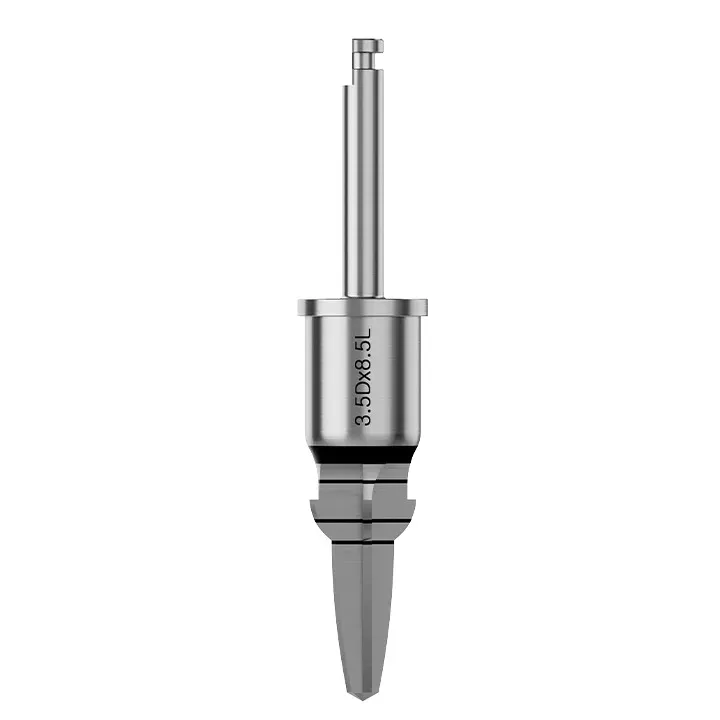
A cortical release drill is a specialized instrument designed to prepare and modify the cortical bone layer before implant placement. The goal is to reduce excessive resistance during implant insertion while maintaining control over osteotomy preparation.
If you've ever encountered a dense bone case where implant insertion felt like trying to screw a bolt into reinforced concrete, you'll understand why these drills matter.
The cortical bone layer is naturally denser than cancellous bone, which can create challenges during implant placement. By preparing this area more effectively, clinicians can improve insertion dynamics and potentially reduce stress on both the implant and surrounding bone.
Why Are Cortical Release Drills Trending in 2026?
One of the biggest trends in implant dentistry today is predictability.
Patients expect successful outcomes. Clinicians want greater precision. Practices are investing heavily in digital workflows to reduce variables wherever possible.
As a result, every step of the implant procedure is being examined more closely—including osteotomy preparation.
Many implant specialists are increasingly recognizing that proper cortical bone management can influence:
- Implant stability
- Surgical efficiency
- Bone preservation
- Placement accuracy
- Long-term restorative success
This growing awareness has contributed to increased interest in cortical release drills as part of modern implant protocols.
The Relationship Between Bone Density and Implant Success
If you're placing implants regularly, you've likely noticed that not all bone behaves the same way.
Dense cortical bone can provide excellent support, but it can also create complications if not managed properly.
According to discussions frequently seen in implantology forums and continuing education programs, excessive insertion torque remains a concern in highly dense bone situations.
Several implant educators emphasize that controlled cortical preparation can help create a more balanced implant environment while maintaining primary stability.
In simple terms, the goal isn't necessarily to make the procedure easier—it's to make it more predictable.
And in implant dentistry, predictability is often worth its weight in titanium.
How Cortical Release Drills Support Modern Implant Workflows
The increasing popularity of guided implant surgery has amplified interest in precise osteotomy preparation.
Guided systems allow clinicians to plan implant positions with remarkable accuracy. However, the physical execution still depends on surgical instruments.
This is where cortical release drills fit naturally into modern workflows.
By helping clinicians manage cortical resistance more effectively, these drills support the broader objective of translating digital planning into accurate clinical results.
Many clinicians now view implant success as the result of an integrated process rather than a single tool or technology.
The software matters.
The guide matters.
The implant matters.
And yes—the drill matters too.
What Experts and Clinicians Are Discussing
Browse professional implant communities, webinars, or educational conferences, and you'll notice recurring discussions around:
- Bone density assessment
- Insertion torque management
- Heat generation during drilling
- Primary stability optimization
- Precision osteotomy techniques
While opinions vary, many experienced clinicians agree that cortical bone preparation deserves more attention than it historically received.
One common theme in expert discussions is that successful implant placement depends on understanding bone biology as much as understanding surgical mechanics.
In other words, having advanced technology is great, but respecting bone physiology still matters.
Not exactly the most exciting conference T-shirt slogan, perhaps—but definitely good clinical advice.
Where My Understanding May Be Limited
It's important to acknowledge that implant dentistry continues evolving rapidly.
New implant designs, drilling protocols, and surgical techniques emerge regularly. Clinical preferences also vary based on implant systems, training backgrounds, patient populations, and regional treatment approaches.
Additionally, while educational resources and professional discussions provide valuable insights, real-world outcomes can differ depending on case complexity and operator experience.
Because of this, there is no universal agreement on exactly when or how cortical release drills should be incorporated into every treatment protocol.
What works exceptionally well for one clinician may not be necessary for another.
Looking Ahead
The future of implant dentistry appears increasingly focused on personalization and precision.
As digital planning tools become more sophisticated and AI-assisted diagnostics continue advancing, clinicians may gain even greater insight into bone quality before surgery begins.
This could lead to more customized drilling protocols, smarter surgical workflows, and enhanced use of instruments like cortical release drills.
What's still unclear is how much these evolving technologies will standardize implant procedures across different practices and clinical philosophies.
For now, one thing seems evident: as implantology continues moving toward greater precision, understanding the role of cortical release drills will likely become an increasingly important part of delivering predictable and successful treatment outcomes.


























Sign in to leave a comment.