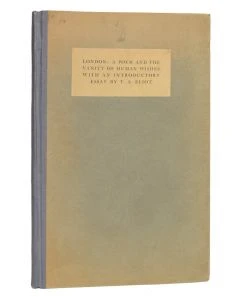

A limited-edition book is one in which the number of copies in the print run has been rigorously determined prior to its release, and that number is significantly smaller than a regular print run, and when the first printing has sold out, no more print runs are produced.
Limited editions can also be stand-alone publications, such as a novella or short tale, in which the author intends to sell the piece just once. A limited edition may also be published alongside a standard print run, with the limited edition containing extra features such as better-quality paper, extra illustrations, author signatures, different cover art, a slip case, or some other type of extra that is not normally included in a book from that author or publisher.
Important tips to keep in mind as you buy limited edition books
Just because a book is limited edition doesn't imply it's unique, collectible, or valuable; always look at the quantity of copies created, since supply can still outpace demand even with restrictions.Limited editions are created with the intention of being collectable. Owners are considerably less likely to allow damage or thumbing to their limited editions, resulting in a higher percentage of them remaining in good condition over time.A limited edition with a numbered edition is one in which the total number of copies in the print run is noted on the book. "This book is copy number 54/200," for example, is stated as the current number divided by the total number of copies in the printing.A lettered edition is similar to a numbered edition, except with letters instead of numbers. Each one is indicated by a distinct letter of the alphabet and is almost usually restricted to 26 copies. Lettered editions are occasionally limited to 52 copies (with upper- and lower-case letters) and even less than 26 copies, though this is uncommon.A publisher may issue a deluxe edition with extra features (extra drawings, extra tales, etc.), but this does not always imply that it is limited or valuable. Check to see if the deluxe edition isn't just a fluffed-up hardback with a higher price.Limited editions are frequently pleasant and fascinating additions to collections for rare book enthusiasts. Limited editions differ from first editions not just because they are printed in small quantities on purpose, but also because they are frequently printed on higher-quality paper with more lavish bindings. They might also have the author's signature or additional drawings. Limited editions are an interesting category of rare books because of these characteristics.
Why should you be careful as you buy limited edition books to the collection?
Many rare books are scarce, but this does not imply that they are limited. A limited edition is one that the publisher has chosen to print in tiny quantities with the intention of selling out. Once these have been sold, no more will be printed. A limited edition can be issued by an author or publisher in a variety of situations:
Only a limited number of copies of the work will be printed. This might happen when the work is unique, such as a collection of poetry or a novella, and it usually indicates that the publisher and the author work closely together.
It's possible that the limited edition is a special edition of a work that already exists in normal editions. This type of limited edition can be published by a fine press with the author's collaboration and assistance.
Collectors should keep in mind that just because a book is limited edition does not mean it is valuable; the number of copies available may still outnumber demand. If you come across a limited edition, do some research to find out how many copies were made and how much the book is worth, just like you would with any other rare book purchase.
How to go ahead with collecting limited edition books
Whether you specialize in limited editions or just focus on limited editions from a specific author or genre, there are a few things to consider:
Limited editions are primarily intended for collectors who like to maintain their books in excellent condition. Even years after the publication, expect to find lots of copies in excellent condition.If a book is a numbered edition, it will have a specific number given to it from the total number of copies printed. If just 500 copies were made, for example, your numbered edition may be branded 256/500.Lettered editions are identical to regular editions, but they utilize letters from the alphabet instead of numbers. In most situations, only 26 copies are printed, but in certain cases, both capital and lowercase letters are utilized, thus doubling the total number of copies.Limited editions and deluxe editions are not the same thing. While they may have some of the characteristics of limited editions (such as additional artwork), they are not created in restricted quantities and are thus typically less desired.Limited editions from certain presses, such as Heavenly Monkey or Charnal House, may be the centerpiece of your collection. The latter contains works by well-known authors such as Dean Koontz and Garton Ray.Consult the appropriate bibliographies for your field of study. You could discover that your favorite author's work has been published in limited volumes by an independent publisher.Patron copies are typically more difficult to come by than limited editions. Originally, they were created as one-of-a-kind items to be presented as presents to customers who supported a writer or artist. Patron copies are still given as presents today, although they might be difficult to come by.Final words
Now you have a complete understanding on what limited edition books are and why they are important. You also know how to proceed with getting new limited-edition books into your collection of rare books. Adhere to these tips and you will not end up with any disappointment.



























Sign in to leave a comment.