
WHAT IS A LIST OF THE TOP 5 TOURIST PLACES IN MADHYA PRADESH YOU MUST VISIT?
TABLE OF CONTENTS
- Introduction to Madhya Pradesh
- Historical Significance of Madhya Pradesh
- Top 5 Tourist Places in Madhya Pradesh
- Khajuraho Temples
- Bandhavgarh National Park
- Sanchi Stupa
- Kanha National Park
- Gwalior Fort
- Khajuraho Temples
- Introduction to Khajuraho Temples
- Architectural Marvel
- Sculptures and Carvings
- Best Time to Visit
- Bandhavgarh National Park
- Introduction to Bandhavgarh National Park
- Wildlife Species
- Safari Experience
- Conservation Efforts
- Sanchi Stupa
- Introduction to Sanchi Stupa
- Historical Significance
- Architecture and Design
- UNESCO World Heritage Site
- Kanha National Park
- Introduction to Kanha National Park
- Biodiversity
- Tiger Reserve
- Ecotourism Activities
8. Gwalior Fort
- Introduction to Gwalior Fort
- Historical Background
- Architecture and Attractions
- Light and Sound Show
Conclusion
TOP 5 TOURIST PLACES IN MADHYA PRADESH YOU MUST VISIT
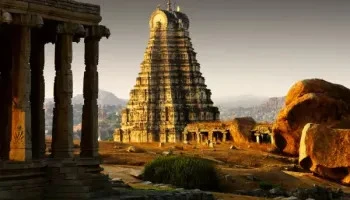
Madhya Pradesh, located in the heart of India, is a state steeped in history, culture, and natural beauty. From ancient temples to sprawling national parks, Madhya Pradesh offers a diverse range of attractions for tourists. In this article, we’ll explore the top 5 tourist places in Madhya Pradesh that you must visit to truly experience the essence of this incredible state.
KHAJURAHO TEMPLES
Introduction to Khajuraho Temples
The Khajuraho Temples are a group of stunning Hindu and Jain temples known for their exquisite architecture and intricate carvings. Built between 950 and 1050 AD by the Chandela dynasty, these temples are a UNESCO World Heritage Site and attract visitors from all over the world.
Architectural Marvel
The temples at Khajuraho are renowned for their intricate artwork and stunning architecture. The sculptures depict various aspects of life, including love, war, and spirituality, and are a testament to the craftsmanship of the artisans of that era.
Sculptures and Carvings
The most famous aspect of the Khajuraho Temples is undoubtedly their intricate sculptures and carvings. The temples feature thousands of sculptures depicting gods, goddesses, mythical creatures, and various other motifs, all carved with remarkable precision and attention to detail.
Best Time to Visit
The best time to visit the Khajuraho Temples is during the winter months, from October to March, when the weather is pleasant and conducive to exploring the site.
BANDHAVGARH NATIONAL PARK
Introduction to Bandhavgarh National Park
Bandhavgarh National Park is one of the most popular national parks in India, renowned for its high density of tigers and diverse wildlife. Spread over an area of 437 square kilometers, the park is located in the Umaria district of Madhya Pradesh.
Wildlife Species
In addition to tigers, Bandhavgarh National Park is home to a wide variety of wildlife, including leopards, sloth bears, deer, and numerous species of birds. The park’s diverse ecosystem makes it a paradise for wildlife enthusiasts and photographers.
Safari Experience
One of the best ways to explore Bandhavgarh National Park is on a safari. Visitors can embark on jeep safaris or elephant safaris accompanied by experienced guides who help them spot wildlife and navigate the park safely.
Conservation Efforts
Bandhavgarh National Park is actively involved in conservation efforts aimed at protecting its flora and fauna. The park authorities work tirelessly to preserve the natural habitat of the animals and raise awareness about the importance of wildlife conservation.
SANCHI STUPA
Introduction to Sanchi Stupa
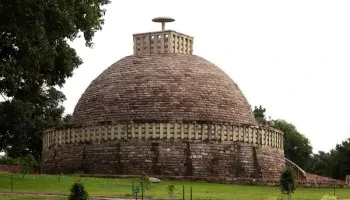
Sanchi Stupa is a Buddhist monument located in the town of Sanchi, Madhya Pradesh. Built by Emperor Ashoka in the 3rd century BC, the stupa is one of the oldest stone structures in India and is considered a masterpiece of Buddhist architecture.
Historical Significance
Sanchi Stupa holds immense historical significance as it is believed to enshrine the relics of Lord Buddha. The site has been a place of pilgrimage for Buddhists for centuries and continues to attract visitors seeking spiritual enlightenment.
Architecture and Design
The architecture of Sanchi Stupa is characterized by its simple yet elegant design. The hemispherical dome, known as the “and a,” is surrounded by a railing adorned with intricate carvings depicting scenes from the life of Buddha and Jataka tales.
UNESCO World Heritage Site
In recognition of its cultural and historical importance, Sanchi Stupa was designated as a UNESCO World Heritage Site in 1989. The site is meticulously maintained by the Archaeological Survey of India and is a must-visit for anyone interested in India’s rich Buddhist heritage.
KANHA NATIONAL PARK
Introduction to Kanha National Park
Kanha National Park is one of the largest national parks in India and is renowned for its population of Bengal tigers. Spread over an area of 940 square kilometers, the park is located in the Maikal Hills of the Satpura Range.
Biodiversity
Kanha National Park is home to a diverse range of flora and fauna, including endangered species such as the Indian wild dog and the barasingha deer. The park’s lush forests, grasslands, and meadows provide a perfect habitat for these animals to thrive.
Tiger Reserve
Kanha National Park is a designated tiger reserve and plays a crucial role in the conservation of the Bengal tiger. Visitors to the park have the opportunity to spot these majestic predators in their natural habitat and learn about the efforts being made to protect them from poaching and habitat loss.
Ecotourism Activities
In addition to tiger safaris, Kanha National Park offers a range of ecotourism activities, including nature walks, birdwatching, and cultural tours. These activities allow visitors to immerse themselves in the natural beauty of the park while contributing to its conservation efforts.
GWALIOR FORT
Introduction to Gwalior Fort
Gwalior Fort is a majestic hill fort located in the city of Gwalior, Madhya Pradesh. Built in the 8th century by the Tomar dynasty, the fort has stood witness to centuries of history and is a testament to the architectural prowess of its builders.
Historical Background
Gwalior Fort has played a significant role in Indian history and has been ruled by various dynasties, including the Mughals, Marathas, and British. The fort has witnessed numerous battles and sieges and has been the seat of power for many rulers throughout the centuries.
Architecture and Attractions
The architecture of Gwalior Fort is a blend of Hindu, Muslim, and Jain influences, reflecting the diverse cultural heritage of the region. The fort is home to several palaces, temples, and monuments, each with its own unique architectural style and historical significance.
Light and Sound Show
One of the highlights of visiting Gwalior Fort is the mesmerizing light and sound show held every evening. The show narrates the history of the fort and brings its storied past to life through a captivating audiovisual presentation.
CONCLUSION
Madhya Pradesh is a treasure trove of historical landmarks, natural wonders, and cultural heritage. Whether you’re a history buff, a wildlife enthusiast, or simply a curious traveler, the top 5 tourist places mentioned in this article offer something for everyone. So, pack your bags and embark on a journey to discover the magic of Madhya Pradesh.



























Sign in to leave a comment.