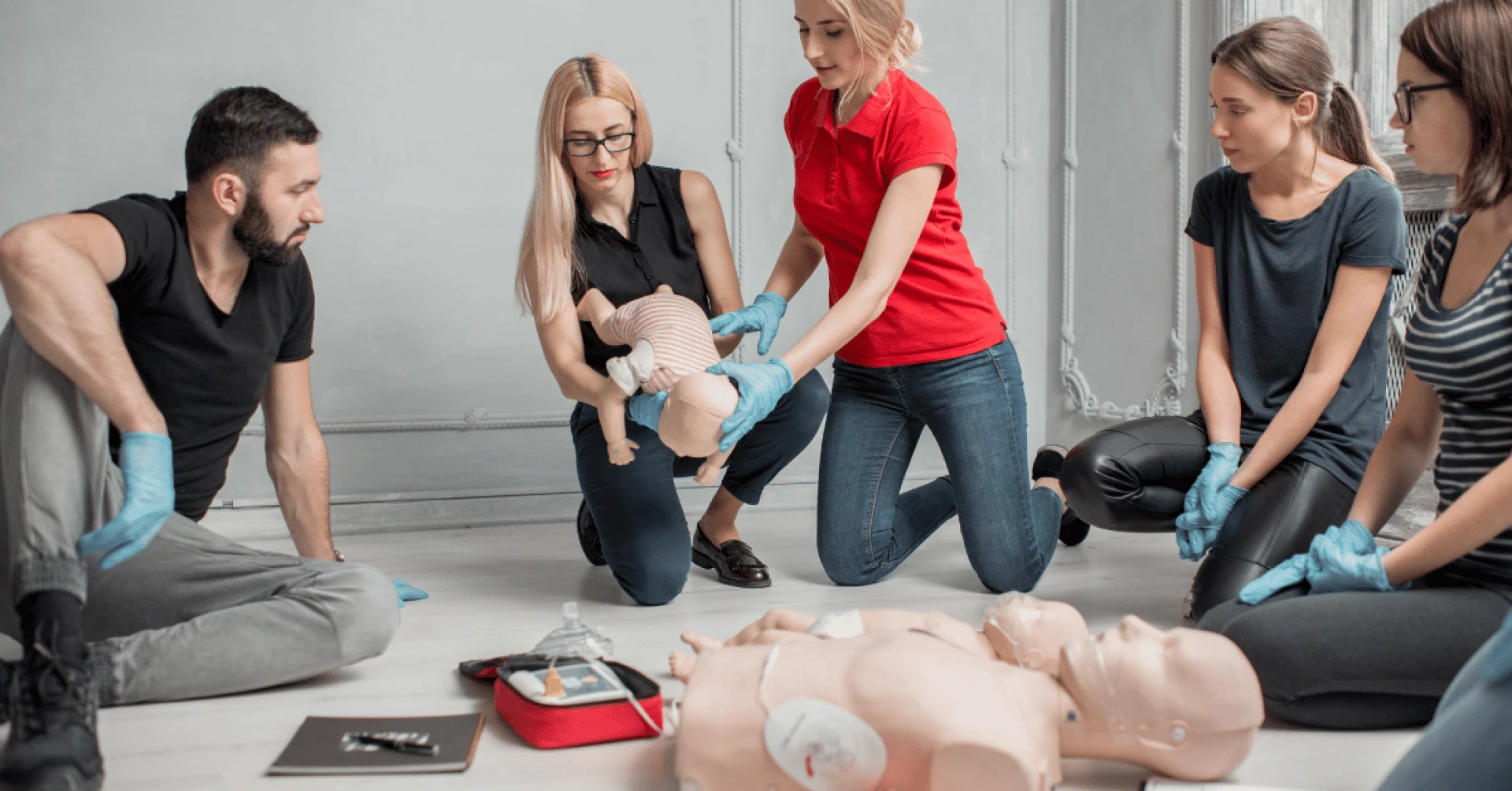
From an outside perspective, one may not think treating children would be much different from providing healthcare support to adults. The seeming similarities, however, don’t always align. The truth is, child patients are vastly different from adult patients. This means pediatric cases are unique compared to the treatment you would provide adults. Pediatric healthcare requires special considerations when providing basic life support, CPR, airway management, and other treatment. Pediatric Advanced Life Support (PALS) can help medical professionals effectively respond to emergencies involving children. If you are considering getting a PALS certification, here’s everything you need to know.
What Is a PALS Certification?
At its core, PALS training helps medical professionals gain the knowledge and skills they need to provide the best care possible to infants and children when their conditions require advanced interventions and treatment. The certification follows a set of science and evidenced based guidelines and algorithms you can use to treat life-threatening conditions in infants & children. The algorithms focus on the most life-threatening pediatric conditions including respiratory distress, cardiac arrest, and shock. The training focuses on delivering vital care to critically injured or ill children. As a result, the course provides both practical skills and applicable knowledge needed to treat pediatric cases and improve patient outcomes.
Why Is a PALS Certification Important?
As mentioned, infants and children present a variety of differences compared to adults. Most importantly, pediatric patients have different anatomy, require weight based medication dosing, and become critically ill much faster than adults due to physiologic reserves. Healthcare professionals must understand the best practices to deal with those differences in a life-threatening situation. Heart rhythms and airway management operate differently for infants and children, for example. Therefore, medical providers need to understand how various medications can impact infants and children differently. Gaining and renewing your PALS certification is vital for improving patient outcomes for infants and children.
Who Should Take a PALS Course?
A PALS course is most important if you are a healthcare professional who responds to infant and child emergencies. Of course, this easily applies to pediatricians and family physicians. Beyond that, first responders, paramedics, medical students, and nurses would also need training to treat children. It’s also essential for anyone working in emergency departments and can be a great asset in intensive care and critical care units. In short, if you are a healthcare professional with the potential to respond to an emergency involving infants and children, you should register for a course and get certified in PALS.
What Will You Learn in a PALS Class?
Generally, during a PALS class, you will develop the skills necessary to effectively and efficiently manage critically ill or injured infants and children. This includes recognizing and treating infants and children at risk for cardiopulmonary arrest, effective respiratory management, a systematic approach to pediatric assessment, effective resuscitation team dynamics, defibrillation, synchronized cardioversion, intraosseous access, and fluid bolus administration. You may need other courses in addition to PALS, such as an AHA-approved BLS, ECG/EKG, and ACLS classes.
The Benefits of Having a PALS Certification
A PALS certification can make you eligible for positions that require life-saving skills for children and give you the skills you need to respond to emergencies. These skills and the knowledge of what to do in a situation with infants and children can make a more capable responder. This is especially beneficial if you find yourself in a setting where emergency cardiopulmonary incidents involving children or infants may occur, such as emergency rooms.
About Cascade Training Solutions
As an authorized provider of many healthcare and workplace safety curricula, Cascade Training Solutions teaches more than 100,000 students to save lives each year. Since 2002, Cascade Training Solutions has provided healthcare organizations, individuals, public safety agencies, and corporate entities with resuscitation, safety, and compliance training, from basic workplace safety to advanced life-saving techniques. Seven centers provide training and certification to help you perform your job better and even advance your career with more than 25 nationally validated certification courses. From multi-state organizations looking for a complete education and compliance program to individuals in need of specific certifications, Cascade Training Solutions has a cost-effective, patient care-focused solution for you.
Find out more about how to get a PALS certification at https://www.cascadetraining.com/
Original Source: https://bit.ly/3K69mr0











Sign in to leave a comment.