

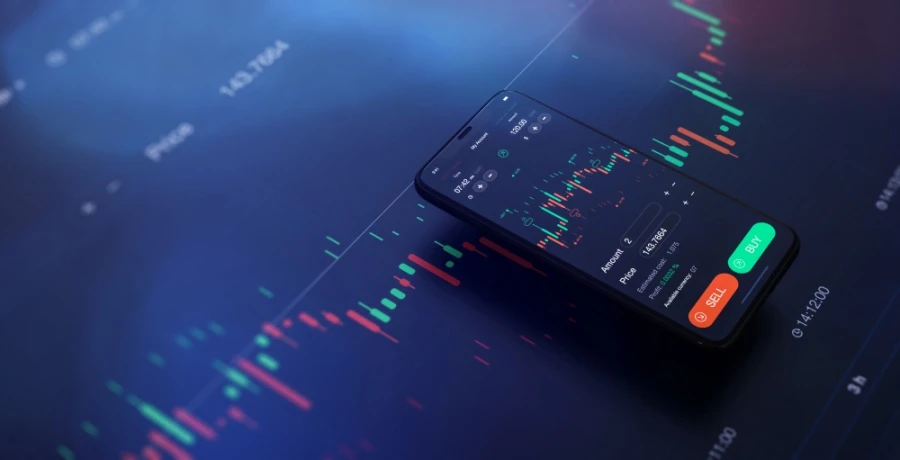
A paper trading app is a tool that lets you practice trading without using real money. It simulates the real trading environment, so you can test your skills and strategies without any financial risk.
Benefits of Using a Paper Trading App
Risk-Free Practice
You can trade without the fear of losing money. This is perfect for beginners who are still learning or experienced traders who want to try new strategies.
Real Market Experience
These apps use real-time data from the market, giving you a realistic experience of how trading works. This helps you understand how different factors affect prices.
Improve Your Strategies
Practice makes perfect. Using a paper trading app, you can test and refine your trading strategies in a risk-free environment. This is crucial for developing a successful approach.
Build Confidence
By seeing your strategies work in a virtual setting, you gain the confidence to use them in real trading. Confidence is key to making informed decisions in the market.
Learn from Mistakes
Mistakes are part of the learning process. With a paper trading app, you can make mistakes without any financial consequences. This allows you to learn and improve your strategies.
Features of a Good Paper Trading App
Easy to Use
A good app should be simple and easy to navigate, especially for beginners. A user-friendly interface helps you focus on learning rather than figuring out how to use the app.
Real-Time Data
To provide a realistic trading experience, the app should use up-to-date market data. This ensures that your practice sessions are as close to real trading as possible.
Variety of Financial Instruments
A comprehensive app should allow you to trade different types of financial instruments like stocks, options, and currencies. This gives you the chance to diversify your practice.
Detailed Reports
The app should offer detailed reports on your trading performance. This includes metrics like profit and loss, win/loss ratio, and more. These reports help you understand your strengths and weaknesses.
Educational Resources
Some paper trading apps provide educational content like tutorials, articles, and videos. These resources can help you learn more about trading and improve your skills.
How to Get Started with a Paper Trading App
Step 1: Choose an App
There are many paper trading apps available. Research and compare different apps to find the one that suits your needs. Look for features like ease of use, real-time data, and a variety of instruments.
Step 2: Create an Account
Once you have chosen an app, create an account. This usually involves providing some basic information and setting up a username and password. Some apps may also require email verification.
Step 3: Learn the Interface
Take some time to explore the app\'s interface. Familiarize yourself with the features and tools available. Most apps offer a tutorial or user guide to help you get started.
Step 4: Start Trading
Now you can start trading. Select the financial instruments you want to trade and use the app\'s tools to analyze the market. Make informed trading decisions and monitor your performance.
Step 5: Review Your Performance
Use the app\'s reporting features to review your trades. Identify areas for improvement and adjust your strategies accordingly. Regular evaluation helps you become a better trader.
Common Mistakes to Avoid
Treating It Like a Game
Even though it\'s a simulation, treat it seriously. Focus on learning and practicing your strategies rather than treating it as a game.
Skipping Market Research
Always conduct thorough market research before making trades. This helps you develop a habit of analyzing the market and making informed decisions.
Overtrading
Avoid making too many trades just for the sake of it. Be patient and wait for the right opportunities. Focus on quality over quantity.
Not Keeping a Trading Journal
Keep a record of your trades, including the reasons behind each trade and the outcome. Reviewing your journal helps you learn from your mistakes and improve your strategies.
Paper Trading vs. Real Trading
Emotional Differences
In real trading, emotions like fear and greed can influence your decisions. Paper trading helps you practice managing these emotions, but be aware of the psychological differences when trading with real money.
Execution Differences
Real trading involves factors like slippage and liquidity that may not be accurately simulated in a paper trading app. Understand these differences and be prepared when you start trading with real money.
Advanced Tips
Simulate Real Conditions
Try to simulate real trading conditions as much as possible. Set realistic account balances and trade sizes. This helps you develop a realistic approach to trading.
Test Different Strategies
Experiment with various trading strategies and see how they perform. This helps you identify what works best for you.
Focus on Risk Management
Practice risk management techniques like setting stop-loss orders and managing position sizes. This helps you develop a disciplined approach to trading.
Regularly Review and Adjust
Regularly review your trading performance and make necessary adjustments. Continuously refining your approach helps you become a better trader.
Conclusion
A paper trading app is a valuable tool for anyone looking to improve their trading skills. It offers a risk-free environment to practice and refine your strategies, build confidence, and learn from mistakes. By choosing the right app and using it effectively, you can develop a solid foundation for successful trading. Treat it seriously, conduct thorough market research, and focus on continuous improvement. With dedication and practice, you can become a proficient trader and navigate the financial markets with confidence.








Sign in to leave a comment.