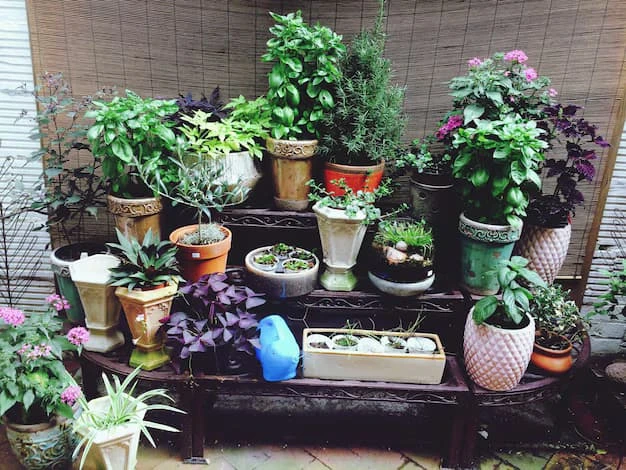

A plantscape is much more than just an arrangement of plants; it’s a design concept that integrates nature into indoor and outdoor spaces in a visually appealing and functional way. Whether you're looking to enhance your office, home, or commercial space, a well-thought-out plantscape can completely transform the environment. In this article, we will explore what a plantscape is, how it differs from traditional landscaping, and how it can make a positive impact on your space.
What is a Plantscape?
A plantscape is the art and science of incorporating plants into an interior or exterior design in a cohesive and aesthetically pleasing manner. It’s a design concept that focuses on the strategic placement of plants to complement the surrounding space, creating harmony between nature and built environments. This could include everything from potted plants, wall-mounted greenery, and vertical gardens to larger landscape elements like trees and shrubs.
The term “plantscape” emphasizes the role of plants in enhancing the overall ambiance, air quality, and mood of a space, making it an essential feature in modern interior design.
Types of Plantscapes
There are several types of plantscapes, each offering different benefits depending on the space and the desired outcome. Here are some common types:
1. Indoor Plantscapes
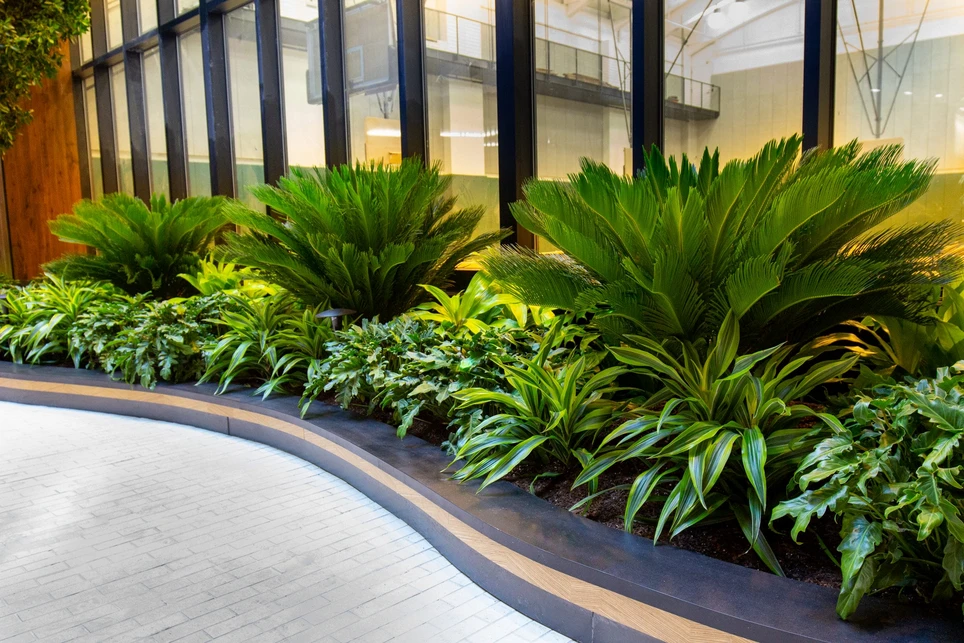
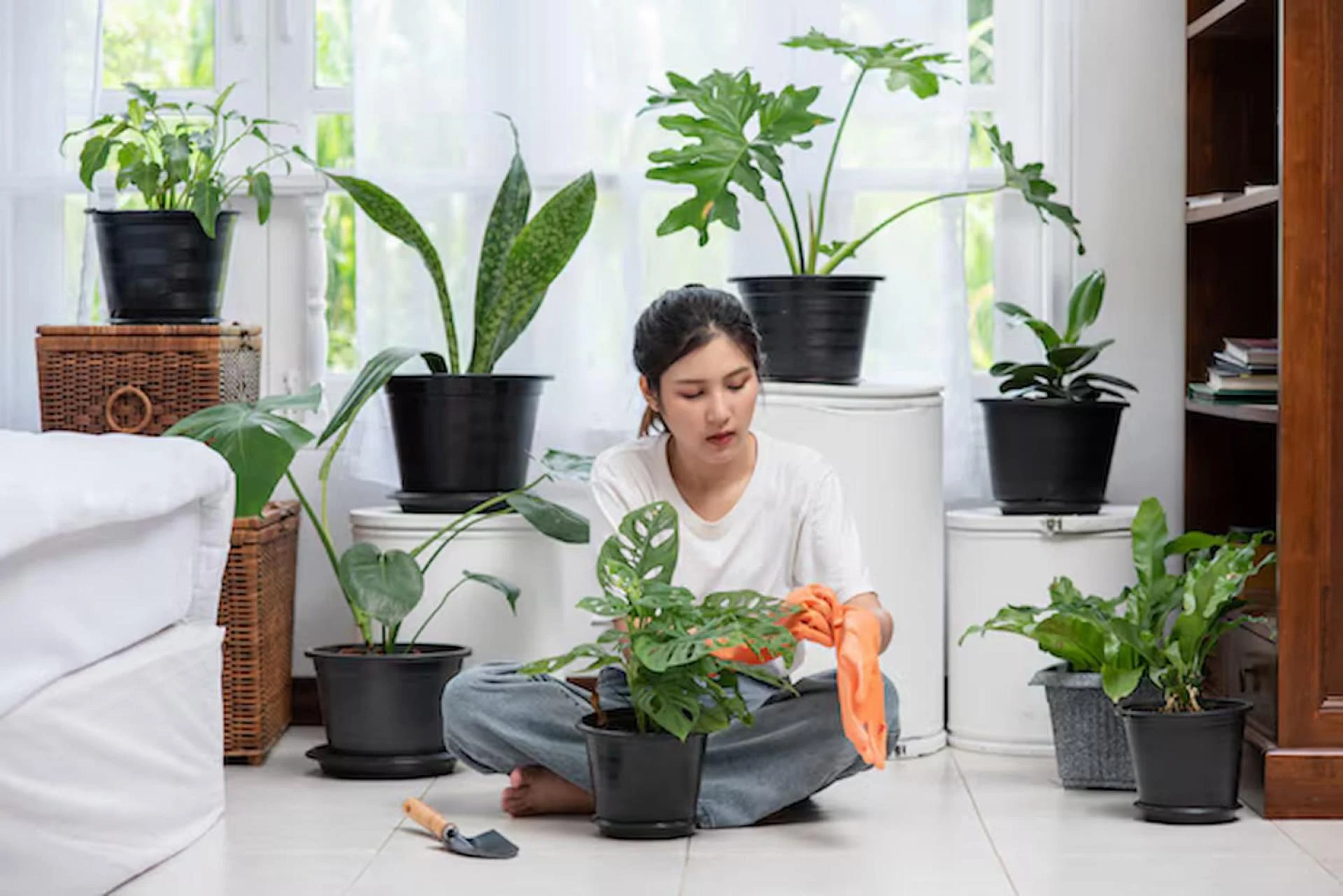
Indoor plantscapes focus on incorporating greenery within the interior of buildings. These plantscapes can be placed in offices, living rooms, bathrooms, or commercial spaces like restaurants and hotels. The goal is to create a calming and inviting atmosphere, improve air quality, and reduce stress.
Popular plants used in indoor plantscapes include ferns, pothos, snake plants, and peace lilies. These plants are not only beautiful but also purify the air, making them perfect for indoor spaces.
2. Outdoor Plantscapes
Outdoor plantscapes extend the principles of landscaping to enhance outdoor environments. These plantscapes can be used in gardens, patios, balconies, and even city spaces. The focus here is on creating a harmonious connection with nature, whether through colorful flower beds, manicured bushes, or vertical garden installations.
For outdoor plantscapes, options like roses, lavender, and ivy can provide both aesthetic beauty and functionality, such as privacy or noise reduction.
3. Vertical Gardens
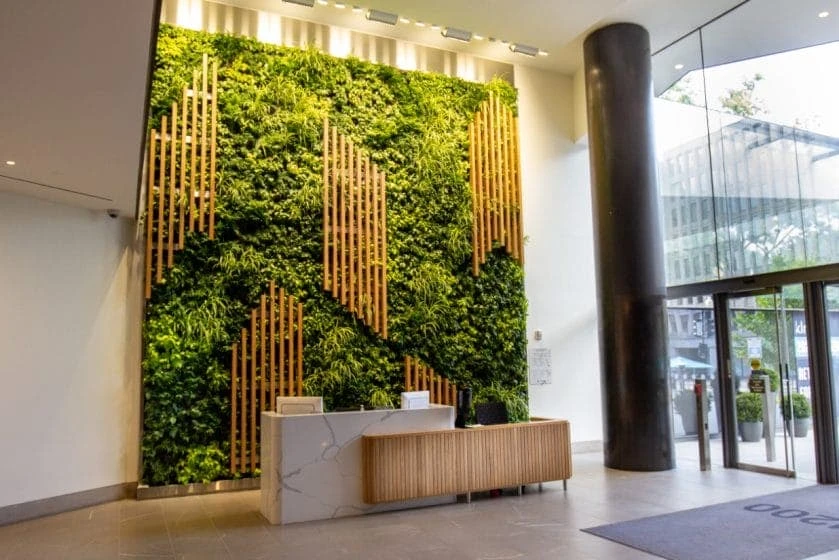
A growing trend in urban areas is the vertical garden. Vertical gardens are plantscapes that use vertical space to grow plants, making them ideal for small or limited spaces. These gardens are often mounted on walls or use trellises to support climbing plants, creating a unique aesthetic and maximizing the use of space.
Vertical gardens are not only visually striking but can also improve air quality and provide a sustainable way to incorporate more plants in cities.
4. Hydroponic Plantscapes
Hydroponic systems allow plants to grow without soil, using nutrient-rich water solutions. These systems can be incorporated into both indoor and outdoor plantscapes, creating a futuristic, clean, and efficient way of growing plants. Hydroponic plantscapes are particularly popular in modern offices and homes where space is limited but the desire for greenery is high.
Benefits of a Plantscape
Plantscapes bring a wide range of benefits to both the physical environment and the well-being of the individuals within it. Below are some of the key advantages of incorporating plants into your space.
1. Enhanced Aesthetic Appeal
The most obvious benefit of a plantscape is the aesthetic enhancement it brings. Plants add color, texture, and life to any space. A well-designed plantscape creates a dynamic, vibrant environment that invites creativity and boosts visual appeal. From lush green indoor plants to decorative outdoor garden arrangements, the beauty of plants can elevate any space’s design.
2. Improved Air Quality
Plants are natural air purifiers. They absorb carbon dioxide and release oxygen through photosynthesis, which helps to improve the air quality indoors. Additionally, many plants, such as peace lilies and snake plants, are particularly effective at removing toxins like formaldehyde, benzene, and trichloroethylene from the air. This makes plantscapes an excellent choice for homes and workplaces where clean air is a priority.
3. Stress Reduction
Numerous studies have shown that being around plants can significantly reduce stress and improve mental well-being. Indoor plants, especially those in a thoughtfully designed plantscape, create a calming atmosphere that helps to reduce anxiety, improve focus, and foster relaxation. The presence of greenery in both home and office spaces can make a big difference in mental health.
4. Increased Productivity and Creativity
Having plants in the workplace has been shown to increase productivity, creativity, and overall employee satisfaction. The natural elements of a plantscape help workers feel more connected to nature, which can lead to enhanced problem-solving skills and better decision-making. In fact, some businesses have even embraced plantscapes as a way to promote a healthier, more dynamic work environment.
5. Environmental Sustainability
Plantscapes contribute to environmental sustainability by reducing the carbon footprint of a space. Through photosynthesis, plants absorb carbon dioxide and release oxygen, promoting a healthier atmosphere. Additionally, some plantscapes incorporate green roofs, which can help with insulation, reduce heat islands in urban areas, and manage stormwater runoff.
How a Plantscape Can Transform Your Space
A well-executed plantscape can transform a space in several ways. Whether you want to revamp your home, office, or commercial area, plantscapes can make a lasting impact.
1. Creating a Focal Point
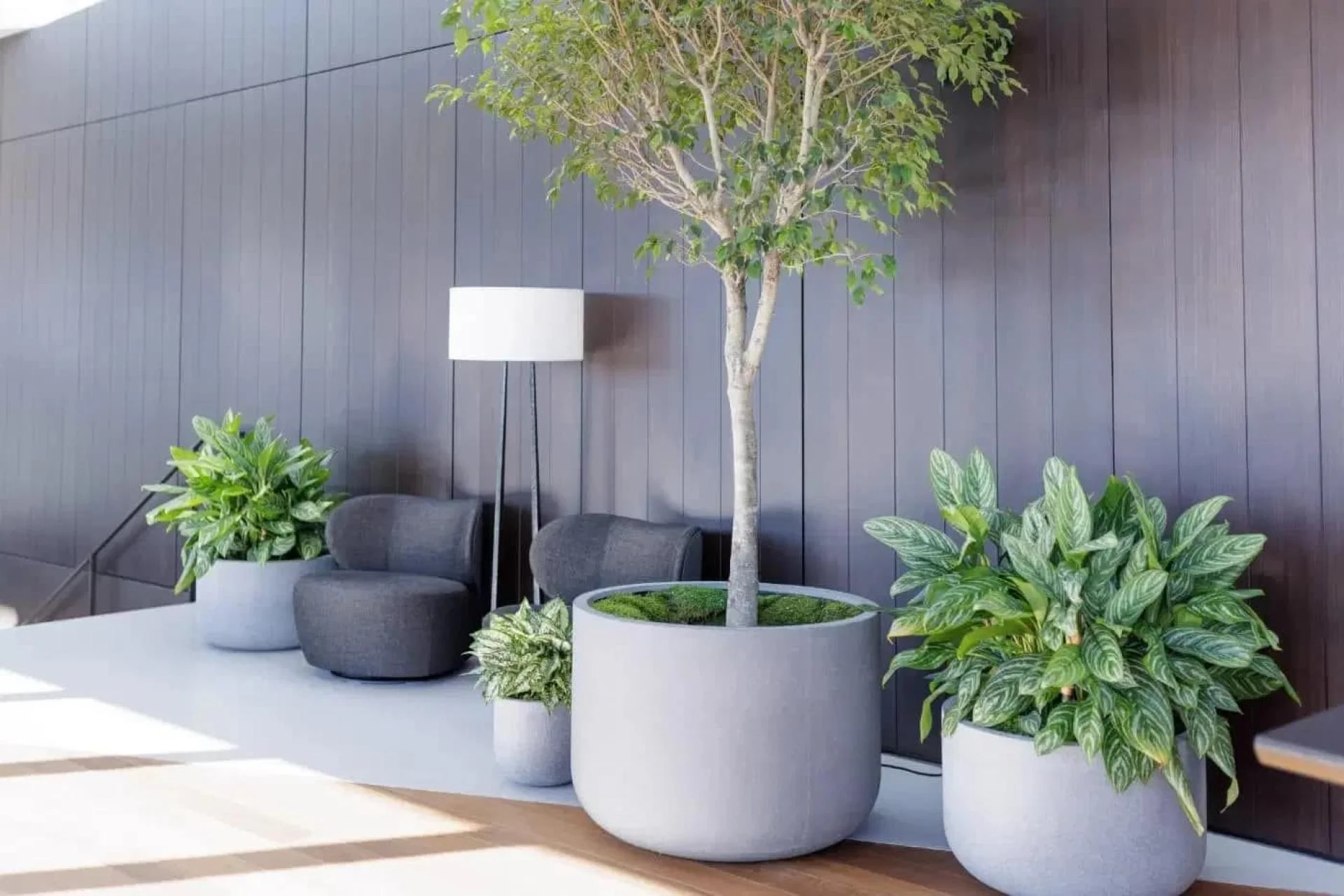
One of the most effective ways to transform a space is by using plants to create a focal point. For example, a large indoor tree in a living room can draw attention and provide a sense of balance to the space. Similarly, a row of plants along a hallway can guide people’s eyes toward specific areas, adding depth and dimension.
2. Adding Depth and Dimension
Plantscapes can create the illusion of depth and dimension, especially in smaller spaces. By carefully positioning plants of varying sizes and textures, you can make a room feel larger and more inviting. Vertical gardens, hanging planters, and tall indoor plants can all help achieve this effect.
3. Enhancing the Mood
The presence of plants in any space can influence the mood of the room. For example, bright flowers like sunflowers or daisies can add a cheerful atmosphere, while calming green foliage can promote relaxation and peace. By choosing plants that align with the desired mood, you can create the perfect ambiance for any setting.
4. Maximizing Space Utilization
For smaller spaces, plantscapes are an excellent way to maximize space while still incorporating nature. Vertical gardens, wall-mounted planters, and corner arrangements can bring greenery into tight spaces without sacrificing valuable floor area. Additionally, plants can be placed in areas that are typically underutilized, such as windowsills or balconies, making the most of every inch.
How to Create a Plantscape in Your Space
Creating a plantscape involves more than just placing a few plants around the room. Thoughtful planning and design are essential to ensure the plants not only thrive but also enhance the space.
1. Choose the Right Plants
The first step in creating a plantscape is selecting the right plants for your space. Consider factors such as the lighting conditions, the amount of space available, and the maintenance requirements of each plant. Some plants, like succulents and cacti, require little water and thrive in dry, sunny conditions, while others, like ferns and ivy, prefer shaded, humid environments.
2. Consider the Design Layout
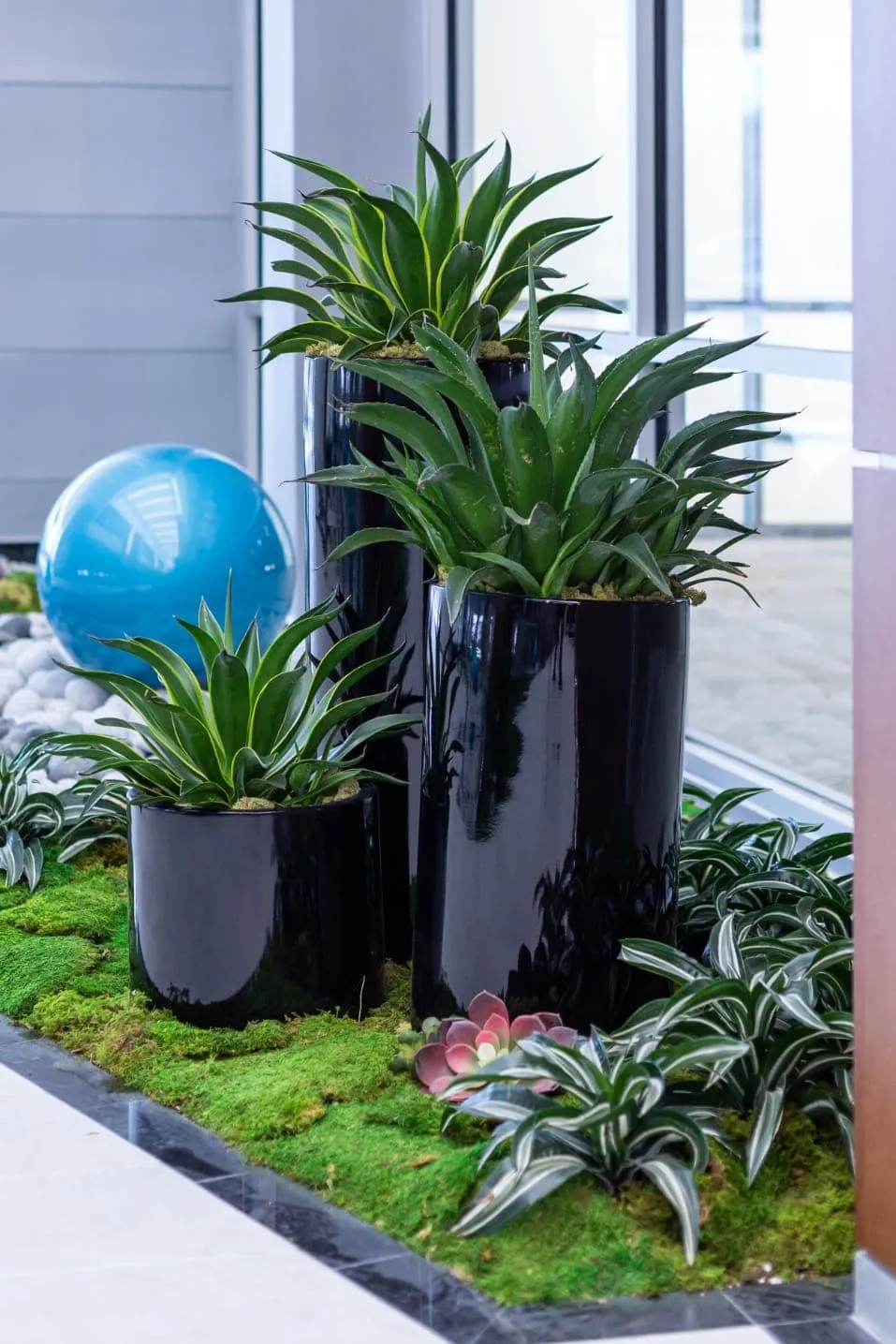
Next, think about how you want to arrange your plants. Group plants of varying sizes and textures to create visual interest and balance. Make sure to place taller plants at the back of the space and shorter plants at the front to create a sense of depth. Consider using containers and planters that match your décor style, whether it’s modern, rustic, or minimalist.
3. Regular Maintenance
To keep your plantscape looking its best, regular maintenance is necessary. This includes watering, pruning, and re-potting plants as needed. Be sure to regularly check the health of your plants and address any issues like pests or diseases promptly.
Conclusion
A plantscape is an incredible way to enhance the beauty, functionality, and atmosphere of any space. From improving air quality to reducing stress and boosting productivity, the benefits of plantscapes are undeniable. With the right planning and care, a plantscape can transform a dull or lifeless space into a vibrant, welcoming environment. Whether you are designing your home, office, or a commercial setting, plantscapes offer endless possibilities for creativity and style.
For those looking to create a stunning plantscape, Interior Plantscapes offers expert design and consultation services to help bring your vision to life.



























Sign in to leave a comment.