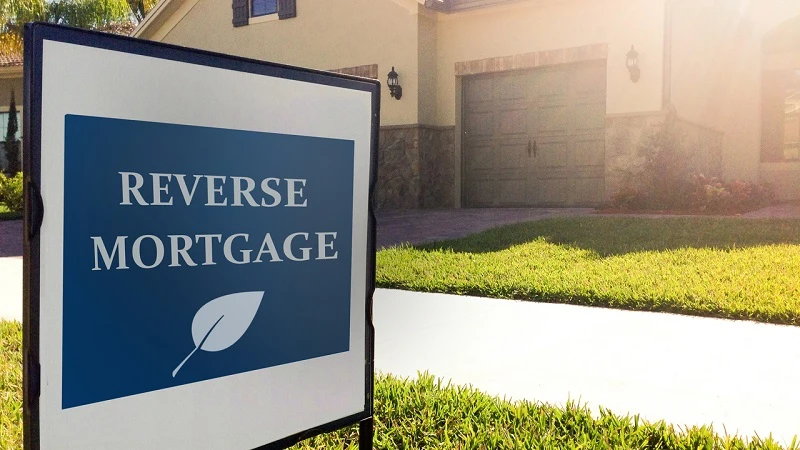

Reverse mortgages are only available to homeowners who are at least 62 years old and have significant equity in their homes. The loan amount is based on the borrower\'s age, the value of the home, and the current interest rates. The older the borrower, the more they can potentially receive.
How Does a Reverse Mortgage Work?
With a reverse mortgage, the homeowner can choose to receive the funds in a lump sum, as a line of credit, or in monthly installments. The loan is repaid when the borrower sells the home, moves out of the property, or passes away. If the home is sold for more than the loan amount, the excess funds go to the borrower or their heirs.
While the borrower doesn\'t have to make monthly payments on the loan, they are still responsible for property taxes, homeowner\'s insurance, and home maintenance. Failure to keep up with these obligations can result in default and foreclosure.
Pros of a Reverse Mortgage
One of the biggest advantages of a reverse mortgage is that it can provide seniors with a reliable source of income in retirement. The funds can be used to pay for medical expenses, home repairs, or other necessary expenses. Unlike a traditional loan, there are no restrictions on how the funds can be used.
Another benefit is that the borrower can remain in their home as long as they want, as long as they meet their loan obligations. They can also choose how they want to receive the funds, whether as a lump sum, line of credit, or monthly installments.
Cons of a Reverse Mortgage
While a reverse mortgage can be a useful financial tool for seniors, there are also some drawbacks to consider. One of the main disadvantages is that the fees and interest rates associated with a reverse mortgage can be higher than with a traditional mortgage. This can eat into the equity of the home over time.
Another potential downside is that the borrower\'s heirs may have to sell the home to repay the loan if they are unable to come up with the funds. This can be an emotional and financial burden for loved ones. Additionally, if the home loses value over time, the borrower may owe more on the loan than the home is worth.
Is a Reverse Mortgage Right for You?
Whether or not a reverse mortgage is the right choice for you depends on your individual circumstances. It\'s important to consider your current and future financial needs, as well as the impact that a reverse mortgage will have on your estate and heirs.
If you\'re considering a reverse mortgage, it\'s a good idea to consult with a financial advisor or housing counselor to fully understand the pros and cons of this type of loan. They can help you evaluate your options and make an informed decision about whether a reverse mortgage is the best choice for you.
Conclusion
A reverse mortgage can be a valuable tool for seniors who own their homes and want to access their equity without having to sell or make monthly payments. While there are some drawbacks to consider, a reverse mortgage can provide a reliable source of income and allow seniors to remain in their homes as long as they wish. If you\'re considering a reverse mortgage, be sure to carefully evaluate your individual situation and consult with a financial advisor or housing counselor to fully understand the terms and potential consequences. With proper planning and consideration, a reverse mortgage can be a helpful tool to achieve financial stability and security in retirement.







Sign in to leave a comment.