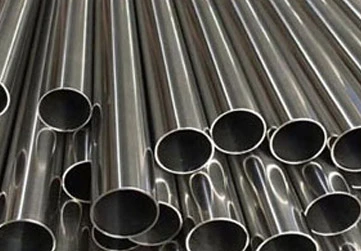

In modern industries, the demand for reliable and durable piping solutions continues to rise. One product that has gained immense popularity across various sectors is Stainless Steel Seamless Tubes. Known for their exceptional strength, corrosion resistance, and flawless finish, these tubes are widely used in critical applications where performance and safety cannot be compromised. But what exactly are seamless steel tubes, and what are they used for? Let’s explore in detail.
What are Stainless Steel Seamless Tubes?
Seamless tubes are manufactured without any welding seam or joint, unlike welded tubes. They are made by extruding a solid billet of stainless steel, which is then pierced to create a hollow tube. This process ensures uniform strength across the entire structure of the tube, making them highly durable and reliable for demanding environments.
Key Features of Stainless Steel Seamless Tubes:
- Superior strength compared to welded tubes
- Excellent resistance to corrosion and oxidation
- High pressure and temperature resistance
- Smooth internal surface for efficient fluid flow
- Long service life and low maintenance requirements
Applications of Stainless Steel Seamless Tubes
Seamless tubes are used across multiple industries due to their unmatched performance. Below are some of the most common applications:
1. Oil and Gas Industry
The oil and gas industry requires tubing solutions that can withstand extreme pressures, high temperatures, and corrosive environments. Stainless Steel Seamless Tubes are widely used in drilling, offshore rigs, pipelines, and refineries. Their ability to perform in harsh conditions ensures smooth operations without risk of leakage or failure.
2. Chemical and Petrochemical Industry
Chemical plants deal with aggressive chemicals, solvents, and acids on a daily basis. Seamless tubes are the preferred choice for chemical processing and transportation as they offer superior resistance to chemical corrosion. Applications include reactors, heat exchangers, and chemical transportation pipelines.
3. Power Generation
In power plants—especially nuclear and thermal—equipment is exposed to high pressures and temperatures. Seamless tubes are used in boilers, heat exchangers, superheaters, and condensers to ensure safe and efficient performance. Their high creep resistance makes them ideal for prolonged use in high-temperature environments.
4. Automotive and Aerospace Industry
The automotive and aerospace sectors require lightweight yet strong materials to manufacture components like exhaust systems, fuel injection lines, and hydraulic systems. Stainless Steel Seamless Tubes offer the required precision, durability, and resistance to mechanical stress, making them indispensable in these industries.
5. Construction and Infrastructure
Seamless tubes play an important role in modern construction. They are used in structural frameworks, bridges, and architectural projects due to their strength, durability, and corrosion resistance. Additionally, their polished finish enhances aesthetic appeal in exposed structures.
6. Food and Beverage Industry
Hygiene is crucial in food and beverage processing. Seamless tubes are used in milk processing, breweries, soft drink production, and other food-related applications. Their smooth interior prevents bacterial growth and ensures contamination-free processing.
7. Pharmaceutical Industry
Seamless tubes are used in pharmaceutical manufacturing equipment and sterile fluid transport systems. Their smooth internal finish ensures cleanliness, prevents contamination, and meets stringent industry standards for safety and quality.
8. Marine Industry
Ships, submarines, and offshore structures rely heavily on materials that can resist saltwater corrosion. Stainless Steel Seamless Tubes are used in marine piping systems, desalination plants, and shipbuilding due to their excellent anti-corrosion properties in seawater environments.
Advantages of Using Stainless Steel Seamless Tubes
The preference for seamless tubes over welded ones is due to their numerous advantages:
- Higher Strength: No welded seam means better overall strength and reduced chances of failure.
- Corrosion Resistance: Stainless steel inherently resists rust and chemical attack.
- Better Pressure Handling: Suitable for high-pressure applications without leakage risks.
- Longevity: Extended service life reduces maintenance costs.
- Versatility: Can be used across multiple industries and applications.
Grades and Standards of Stainless Steel Seamless Tubes
Seamless tubes come in various grades depending on the requirements:
- 304/304L: General-purpose grade for moderate corrosion resistance.
- 316/316L: High corrosion resistance, ideal for marine and chemical industries.
- 321/321H: Excellent high-temperature resistance.
- Duplex Grades (2205, 2507): Superior strength and chloride resistance.
These tubes comply with international standards such as ASTM, ASME, DIN, and EN to ensure global quality benchmarks.
Why Choose Stainless Steel Seamless Tubes?
The global demand for seamless tubes continues to rise as industries look for reliable solutions. By choosing Stainless Steel Seamless Tubes, businesses ensure:
- Safety in high-pressure systems
- Efficiency in fluid and gas transport
- Compliance with hygiene standards in food and pharma
- Durability in harsh environments like marine and oil fields
Their versatility and dependability make them a critical component of modern engineering and industrial operations.
Conclusion
To answer the question: What is a seamless steel tube used for?—the applications are vast and span across almost every major industry, from oil and gas to pharmaceuticals. Stainless Steel Seamless Tubes are chosen for their unmatched durability, resistance to extreme conditions, and ability to deliver reliable performance in critical environments. Whether in power plants, chemical processing, or structural applications, these tubes remain the backbone of modern industrial infrastructure.
By investing in high-quality seamless tubes, industries not only improve efficiency but also ensure long-term reliability, safety, and cost savings.



























Sign in to leave a comment.