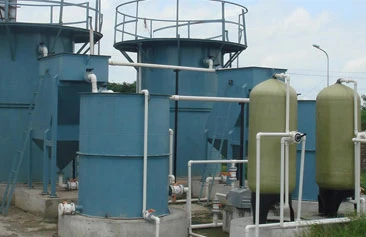

A sewage treatment plant, also known as a wastewater treatment plant, is a facility designed to treat and process sewage and wastewater from residential, commercial, and industrial sources. The primary goal of these plants is to remove contaminants and pollutants from the wastewater before it is released back into the environment or reused for various purposes. The treatment process involves several stages to ensure that the water meets specific quality standards.
Here's a general overview of how a typical sewage treatment plant works:
1. Screening:
- The incoming sewage passes through screens or bar racks to remove large objects such as sticks, leaves, and plastic debris. This step prevents these materials from interfering with the subsequent treatment processes.
2. Primary Treatment:
- The screened sewage then flows into primary settling tanks, where the velocity of the water is reduced. This allows heavier solids to settle to the bottom as sludge, while lighter materials (grease and oils) float to the surface. The separated sludge is later removed for further treatment.
3. Secondary Treatment (Biological Treatment):
- The liquid from the primary settling tanks undergoes biological treatment to further remove dissolved and suspended organic matter. This is often done through aeration tanks where microorganisms (bacteria and other microbes) break down the organic pollutants into simpler, less harmful substances. This process can involve activated sludge systems, trickling filters, or other biological treatment methods.
4. Final Settling/Clarification:
- The water from the biological treatment is allowed to settle in secondary settling tanks, allowing any remaining suspended solids or microorganisms to settle out as sludge.
5. Filtration (Optional):
- Some treatment plants include additional filtration steps to remove fine particles that may still be present in the water.
6. Disinfection:
- The treated water undergoes a disinfection process to kill or inactivate any remaining harmful bacteria, viruses, or pathogens. Common disinfection methods include chlorination, ultraviolet (UV) irradiation, or ozonation.
7. Sludge Treatment:
- The sludge collected during the various treatment stages undergoes further treatment. This can include processes such as digestion (anaerobic or aerobic) to reduce its volume and stabilize it. The treated sludge may be used for purposes like land application or may be disposed of in an environmentally responsible manner.
8. Effluent Discharge or Reuse:
- The treated water, known as effluent, is discharged into receiving water bodies or reused for purposes like irrigation or industrial processes, depending on the quality standards and local regulations.
Sewage treatment plants play a crucial role in protecting the environment and public health by treating and purifying wastewater before it is released into natural water bodies. The specific processes and technologies used can vary depending on the size of the plant, the level of treatment required, and local regulatory requirements.










Sign in to leave a comment.