Running a business in the UK means more than selling products or services. To stay legal and trusted, companies must follow certain rules and keep the right papers. One of the most important papers is the VAT certificate.
But many business owners ask, what is VAT certificate and why do I need it? In this guide, we will explain in simple words what it is, how to get it, and why it is connected to other key documents like the confirmation statement CS01. We will also see how help from the top accountancy firms UK makes the process easy.
What Is a VAT Certificate?
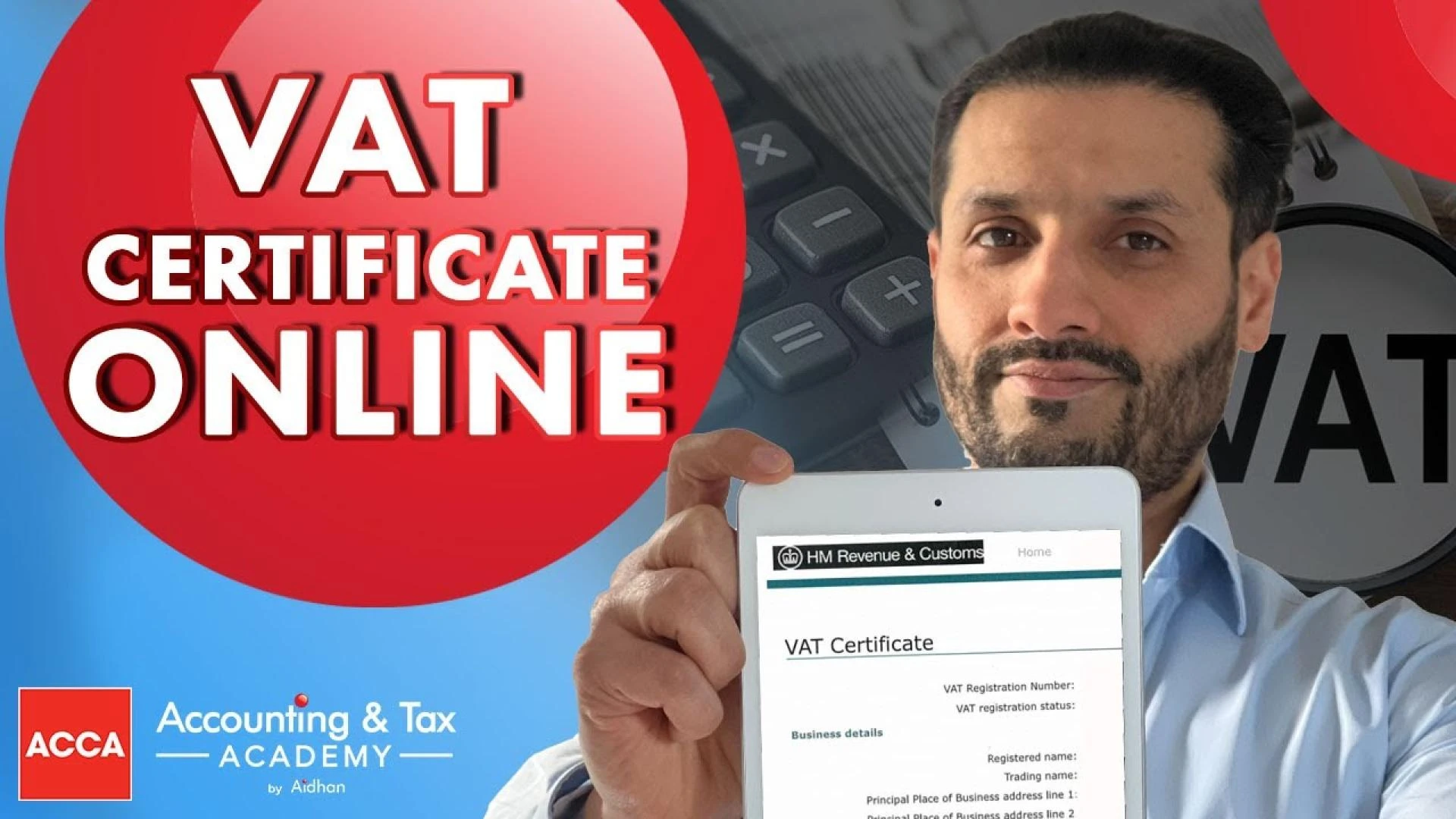
A VAT certificate is an official paper issued by HMRC (Her Majesty’s Revenue and Customs). It proves that your company is registered for Value Added Tax.
Once your business turnover crosses the VAT threshold (currently £85,000 per year), it becomes mandatory to register for VAT. When you register, HMRC sends you a VAT certificate that includes:
- Your VAT registration number.
- The date your company was registered.
- The date you must start charging VAT.
This certificate shows that your company has the legal right to add VAT on sales and reclaim VAT on purchases.
Why Is the VAT Certificate Important?
A VAT certificate is not just a paper; it is proof that your business is serious and compliant. Here’s why it matters:
- Legal Requirement – Companies that cross the VAT limit must register by law.
- Trust and Credibility – Many clients and partners only work with VAT-registered companies.
- Reclaim VAT – You can get back VAT paid on business purchases.
- Avoid Penalties – Without a certificate, HMRC can charge fines for late registration.
For small and big businesses alike, the VAT certificate is a key document for growth.
The Link Between VAT Certificate and Confirmation Statement CS01
While the VAT certificate deals with taxes, the confirmation statement CS01 deals with company records.
The confirmation statement CS01 is a yearly form that every company in the UK must send to Companies House. It confirms details like:
- Directors’ names.
- Shareholders.
- Office address.
- Business activities.
Both the VAT certificate and the CS01 form show that a business is following the rules. One keeps your tax records correct, and the other keeps your company details updated. Together, they prove that your business is legal, transparent, and reliable.
How to Apply for a VAT Certificate
Getting a VAT certificate is a simple process if you follow the right steps:
- Check if you need it – If your turnover is over £85,000, you must apply. You can also register voluntarily if your turnover is below the limit.
- Go to HMRC’s website – Use the VAT online registration service.
- Fill in company details – Add your business name, address, bank details, and turnover.
- Submit the application – HMRC reviews your form.
- Receive your certificate – Usually within 30 working days.
Your VAT certificate will be available in your HMRC online account.
How Top Accountancy Firms UK Help
Many businesses choose to work with the top accountancy firms UK when applying for VAT certificates. Here’s why:
- Expert knowledge – Accountants know the rules and forms.
- Fewer mistakes – They make sure all details are correct.
- Save time – Owners can focus on sales while accountants handle paperwork.
- Extra support – They also help with tax planning, payroll, and filing the CS01 statement.
With the right accountants, businesses avoid errors and get their VAT certificate faster.
Common Problems With VAT Certificates
Some companies face issues when applying for or using their VAT certificate. Common problems include:
- Late registration – Waiting too long and crossing the VAT threshold without registering.
- Wrong details – Errors in company name or bank information delay the certificate.
- Not charging VAT – Selling goods without adding VAT after registration.
- Not filing VAT returns – Getting a certificate is only the first step; businesses must also send regular VAT returns.
Avoiding these mistakes keeps your business safe and compliant.
VAT Certificate vs. Other Business Documents
It is important to understand that a VAT certificate is just one of many required documents. Others include:
- Confirmation Statement CS01 – For company records.
- Incorporation Certificate – When you first register a company.
- Tax Returns – For yearly income tax.
Each document has its own role, but together they form the backbone of a legal and professional company.
Practical Example: How It Works
Imagine a small company that sells office supplies.
- Their sales grow to £100,000 per year.
- They must register for VAT.
- HMRC sends them a VAT certificate with a VAT number.
- They start charging VAT to customers and reclaiming VAT on supplies.
- At the same time, they file their CS01 confirmation statement to keep company records up to date.
- With the help of a top accountancy firm, they manage VAT, payroll, and reports without stress.
This example shows how simple compliance steps keep a business strong and trusted.
Tips to Manage VAT and Compliance
- Register for VAT as soon as you cross the threshold.
- Keep digital records of invoices and receipts.
- File VAT returns on time.
- Mark your calendar for CS01 filing dates.
- Work with experienced accountants.
Final Thoughts
So, what is VAT certificate? It is proof that your business is registered for Value Added Tax and is legally allowed to charge and reclaim VAT.
Along with other important documents like the confirmation statement CS01, it shows that your company is responsible, transparent, and ready to grow. And with support from the top accountancy firms UK, handling VAT, payroll, and compliance becomes much easier.
In business, success is not only about sales. It is also about staying legal and building trust. The VAT certificate is one of the strongest ways to show both.



























Sign in to leave a comment.