

Ever wondered how big buildings keep their internet running smoothly? It’s not magic, it's technology at work. The key player here is the IDF network, which stands for Intermediate Distribution Frame. This network helps in managing and distributing low-voltage signals across different floors or sections. It’s like having a mini internet hub on each floor, ensuring constant connectivity. So, let's explore what makes IDF networks essential, their benefits, and even some insider tips on handling installations like coax cables for internet.
Understanding IDF Networks
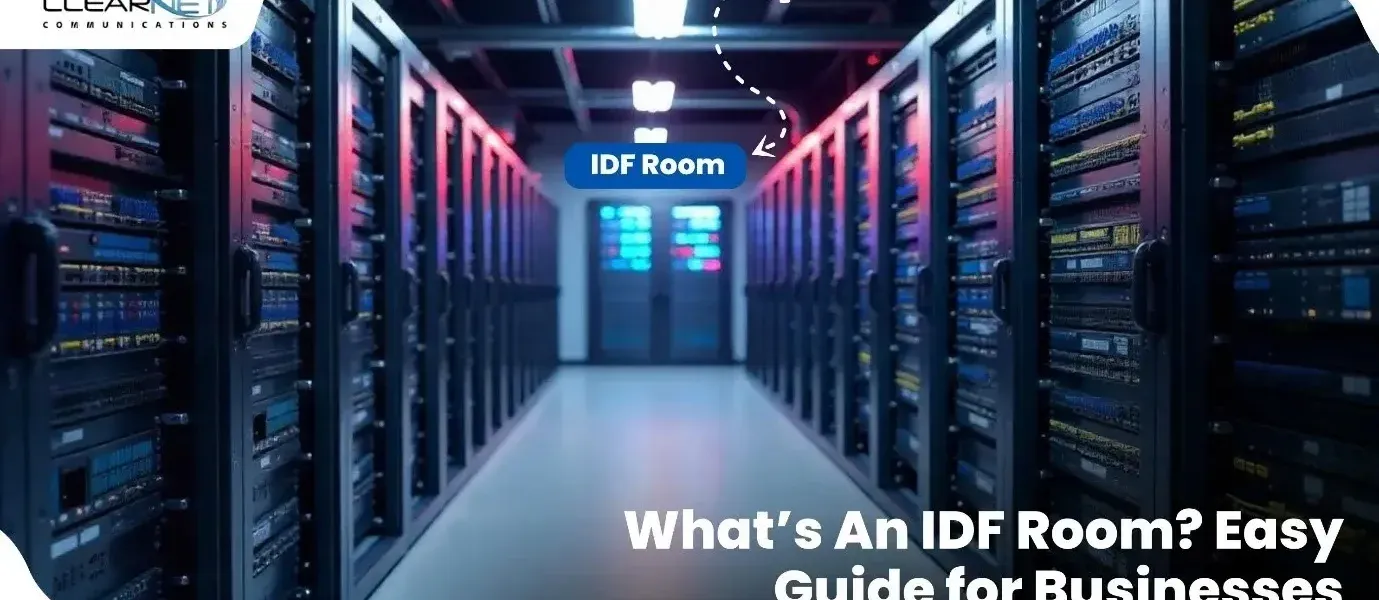
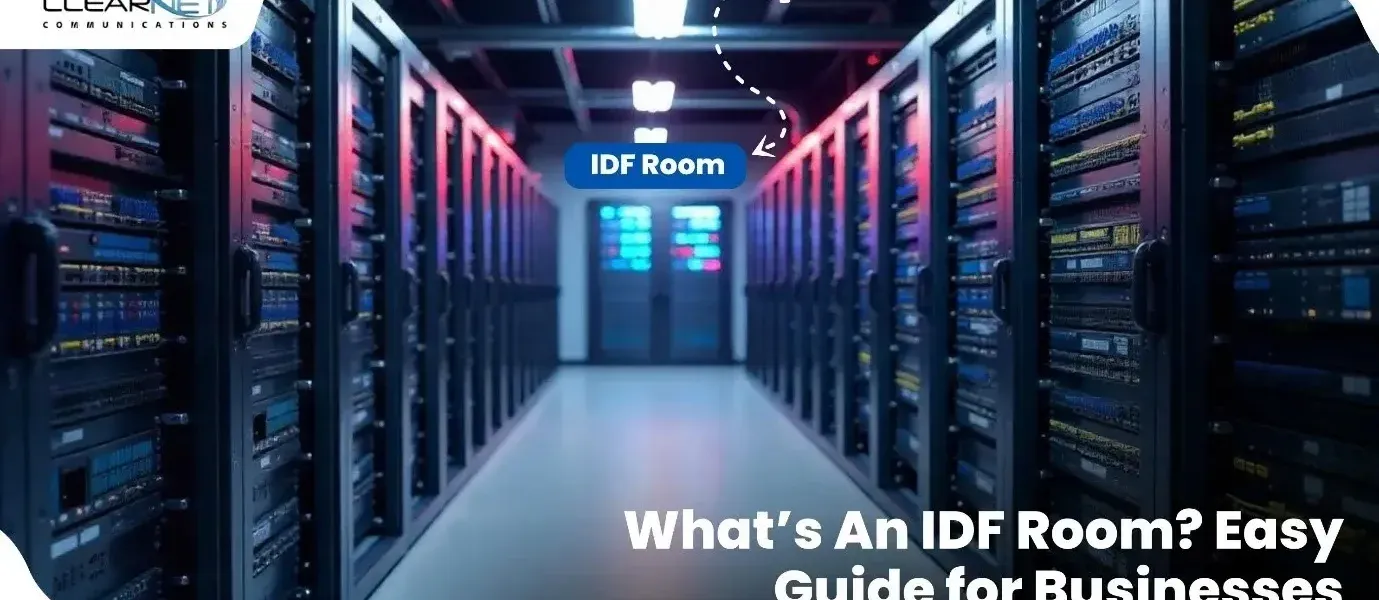
IDF networks act as the backbone for large communication systems. They serve as a connection point between the main network and various devices. Think of them as traffic controllers that keep the data flowing smoothly. In essence, an IDF network breaks down larger signals into smaller ones for easy management.
Real-world Example: Imagine a large office building with multiple floors. Each floor has its own IDF to manage local internet and phone connections. This structure prevents overloads and ensures that every device has access to the necessary bandwidth.
Pro Tip: Ensure all cables are neatly organized within the IDF to prevent tangling and signal loss.
- Pros: Efficient data management, reduced downtime, scalable infrastructure.
- Cons: Initial setup cost, requires maintenance.
Importance of Low-Voltage Systems
Low-voltage systems are crucial because they handle communications without high energy consumption. These systems include internet, phone lines, and security systems. They are safer and more energy-efficient compared to high-voltage systems.
Real-world Example: In a hospital, low-voltage systems manage everything from nurse call buttons to internet access, ensuring quick communication without risking patient safety.
Pro Tip: Regularly check connections and replace any aging components to maintain system integrity.
- Pros: Lower energy costs, increased safety, reliable performance.
- Cons: Limited range, requires careful planning.
How to Install Coax Cable for Internet
Installing coax cable for internet might sound daunting, but it's manageable with the right steps. First, identify the main connection point, usually where the cable service enters your building. Run the coax cable from this point to the desired location. It's crucial to ensure the cable is of the correct type and length.
Real-world Example: I once installed a coax cable in my home office. By carefully measuring the distance and using quality connectors, I ensured a stable internet connection.
Pro Tip: Use cable clips to secure the coax cable along walls and prevent tripping hazards.
- Pros: Reliable connection, easy to install, widely available.
- Cons: Bulky, can be unsightly if not concealed properly.
Role of IDF in Data Centers
In data centers, IDF networks are indispensable. They help distribute data efficiently across various servers and storage devices. This ensures that all parts of the data center communicate effectively without bottlenecks.
Real-world Example: A large data center might have several IDFs to manage the flow of information between different server racks.
Pro Tip: Keep the IDF environment cool to prevent overheating, which can lead to equipment failure.
- Pros: High efficiency, reduced latency, scalable network infrastructure.
- Cons: Complex setup, requires skilled personnel for maintenance.
Maintaining IDF Networks
Maintenance of IDF network is vital for optimal performance. Regular checks ensure that all components function correctly and any potential issues are addressed promptly. Maintenance includes cleaning, cable management, and software updates.
Real-world Example: In a university, IT staff regularly inspect IDFs to ensure students and faculty have uninterrupted internet access.
Pro Tip: Schedule maintenance during off-peak hours to minimize disruption.
- Pros: Prolonged equipment lifespan, consistent network performance.
- Cons: Time-consuming, requires regular attention.
Advantages of Using IDF Networks
IDF networks offer several benefits that make them ideal for large-scale operations. They provide a structured way to manage complex network systems, reduce downtime, and improve data transfer rates. By breaking down signals, IDFs ensure each device gets the required bandwidth.
Real-world Example: Large corporations use IDFs to handle their extensive telecommunications needs seamlessly.
Pro Tip: Invest in high-quality cables and connectors to maximize the performance of your IDF network.
- Pros: Better network management, scalability, improved performance.
- Cons: High initial investment, technical expertise required.
Common Challenges with IDF Networks
While IDF networks are beneficial, they also come with challenges. These include the complexity of setup, potential for cable clutter, and the need for ongoing maintenance. Addressing these challenges requires careful planning and the right tools.
Real-world Example: A company faced connectivity issues due to poorly organized cables in their IDF room, which was resolved through a structured cabling system.
Pro Tip: Use color-coded cables to identify connections easily and prevent confusion.
- Pros: Flexible network design, improved data management.
- Cons: Complexity in troubleshooting, higher maintenance costs.
Future of IDF Networks
As technology advances, the role of IDF networks will likely grow. They will become more integrated with smart buildings and IoT devices, offering enhanced capabilities and efficiency. Staying updated with the latest trends will ensure that your network remains future-proof.
Real-world Example: Future IDF networks may incorporate AI for predictive maintenance and faster troubleshooting.
Pro Tip: Keep abreast of technological advancements to ensure your network infrastructure can adapt to new demands.
- Pros: Enhanced functionality, adaptability to new technologies.
- Cons: Requires continuous learning and updates, potential for obsolescence without upgrades.
Impact of IDF Networks on Business
IDF network significantly impact businesses by improving their operational efficiency. They enable seamless communication, reduce downtime, and support robust data management systems. Businesses can leverage these advantages to stay competitive and meet customer expectations.
Real-world Example: A retail chain uses IDF networks to link all its branches, ensuring consistent data flow and real-time inventory updates.
Pro Tip: Regularly review your network requirements and upgrade as necessary to support business growth.
- Pros: Improved productivity, enhanced customer service, better decision-making.
- Cons: Initial setup costs, potential for technical issues without proper management.
Frequently Asked Questions
What is an IDF network used for?
An IDF network is used to manage and distribute data signals across large buildings, like offices or data centers, ensuring efficient communication.
Why are low-voltage systems important?
Low-voltage systems are important because they provide safe, energy-efficient ways to manage communications and security systems in a building.
How do I install coax cable for the internet?
To install a coax cable, run it from the main connection point to your desired location, ensuring it's the correct type and length for your needs.
What are the challenges of maintaining an IDF network?
Challenges include the complexity of setup, potential cable clutter, and the need for regular maintenance to ensure optimal performance.
Can IDF networks be used in smart buildings?
Yes, IDF networks can be integrated with smart building technology to enhance capabilities and improve efficiency.


























Sign in to leave a comment.