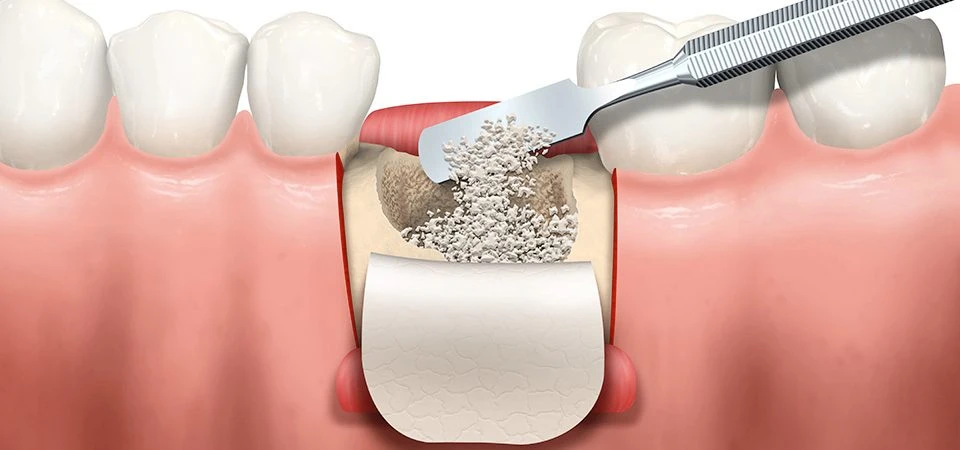

Bone grafting is an essential procedure in modern dental implantology, often serving as a crucial step for patients who may not have enough bone to support an implant. It involves adding bone material to the jawbone, allowing for the proper placement and stabilization of dental implants. If you're considering dental implants but have been told you need a bone graft, it's important to understand the procedure, why it's necessary, and how it can help restore your smile and oral health.
What Is Bone Grafting for Implants?
Bone grafting for dental implants is a surgical procedure in which bone tissue is transplanted into areas of the jaw where bone density is insufficient to support an implant. The added bone material can be taken from your own body (autograft), from a donor (allograft), or synthetically created (alloplastic grafts). The goal is to augment the jawbone so that it can securely hold a dental implant in place.
In the case of missing teeth, the jawbone naturally starts to shrink over time due to lack of stimulation from the tooth roots. When a tooth is lost, the bone in that area becomes less dense and may eventually deteriorate, creating inadequate space for a dental implant. Bone grafting helps reverse this process by encouraging new bone growth in the affected area, creating a solid foundation for the implant.
Why Is Bone Grafting Necessary for Dental Implants?
Several factors can make bone grafting necessary for dental implants, particularly if the patient has experienced bone loss due to one or more of the following:
1. Tooth Loss
When a tooth is lost, whether due to decay, injury, or disease, the jawbone in the surrounding area begins to deteriorate. This bone loss occurs because the bone is no longer being stimulated by the tooth root. Over time, this lack of stimulation can lead to significant bone shrinkage, leaving insufficient bone mass for proper implant placement.
2. Gum Disease
Periodontal disease, or gum disease, can lead to the destruction of the gum tissue and supporting bone structures. As the disease progresses, the bone supporting the teeth may become compromised, leaving a weak foundation for dental implants. Bone grafting can help restore this lost bone and provide the necessary structure for implant placement.
3. Trauma or Injury
Injuries or trauma to the jaw, such as fractures or accidents, can lead to bone loss or damage. When trauma causes the jawbone to lose volume or shape, it may no longer be able to support a dental implant. Bone grafting is often used to repair these areas and make them suitable for implants.
4. Sinus Issues
The upper jaw, near the back of the mouth, has a sinus cavity. Sometimes, when the teeth in this area are lost, the sinus can expand and cause the bone to thin. This can create a situation where there isn’t enough bone to support an implant. In such cases, a sinus lift, a type of bone grafting procedure, may be performed to raise the sinus floor and create space for new bone growth.
5. Congenital Defects
Some individuals may have been born with insufficient bone density in their jaw due to congenital conditions. For these patients, bone grafting can help create a suitable foundation for dental implants.
The Bone Grafting Procedure
The bone grafting procedure typically involves the following steps:
- Consultation and Evaluation: The first step involves a thorough evaluation of the patient’s oral health, including X-rays or 3D imaging to assess the amount of bone loss and the areas that need grafting.
- Harvesting Bone Material: Bone material is either harvested from the patient’s own body (usually the hip or chin), from a donor, or taken from a synthetic material designed to promote bone growth.
- Grafting the Bone: The bone material is then placed in the targeted area of the jawbone. In some cases, a barrier membrane may be used to help the bone heal properly and prevent other tissues from growing into the grafted area.
- Healing Period: After the graft is placed, the area will need time to heal. This period usually lasts from 4 to 9 months, during which the graft will integrate with the existing bone in a process called osseointegration.
- Implant Placement: Once the bone graft has fully healed and integrated, dental implants can be placed in the area, providing a solid and stable foundation for new artificial teeth.
Benefits of Bone Grafting for Implants
- Improved Implant Success Rate: A well-structured, healthy jawbone is essential for the long-term success of dental implants. Bone grafting enhances the chances of implant integration and stability.
- Restored Facial Aesthetics: Bone loss in the jaw can affect the appearance of your face, leading to a sunken, hollow look. Bone grafting can restore volume and maintain the natural contour of the face.
- Prevention of Further Bone Loss: Bone grafting not only restores lost bone but also helps prevent additional bone deterioration in the future, ensuring the longevity of the dental implant.
- Better Functionality: A strong, stable foundation allows for more effective chewing and biting, improving overall oral function.
How Much Does Bone Grafting Cost in Hyderabad?
The bone grafting cost in Hyderabad varies depending on several factors, including the type of graft material used (autograft, allograft, or synthetic), the extent of bone loss, and the complexity of the procedure. On average, the cost ranges from ₹20,000 to ₹50,000 per site. If additional procedures like a sinus lift are required, the price may increase.
Consulting with a dental specialist is crucial to get a precise cost estimate tailored to your needs. While the cost may seem significant, bone grafting is an investment in your oral health, ensuring a strong foundation for dental implants and preventing further complications caused by bone loss. Many clinic in Hyderabad offer flexible payment options or financing plans to make the procedure more accessible.
Conclusion
Bone grafting for dental implants is an essential procedure for individuals who need implants but have insufficient jawbone due to tooth loss, gum disease, trauma, or other factors. This procedure provides a solid foundation for implants, helping to restore both functionality and aesthetics. By stimulating bone growth, bone grafting ensures that dental implants are securely placed, leading to a healthier smile and enhanced quality of life.
If you’re considering dental implants but have been told you need bone grafting, don’t hesitate to speak with your dentist or oral surgeon about how this procedure can improve your oral health and the success of your implant treatment.
Sign in to leave a comment.