
The use of modern tools in the print media industry allows businesses to create high-quality designs that attract customer attention. However, do you approve a label design that looks good on screen only to find it looks very different once printed? It means you lack proper prepress services and do not understand the importance of color separation in label printing. Indeed, there are several necessary elements of prepress services, but color separation is one of them.
As the name suggests, the color separation ensures that each color in the artwork is reproduced accurately before printing. It is extremely important as color consistency is a key goal in commercial printing.
According to the Printing United Alliance, accurate color management is a very important part of any printing production workflow. This blog provides everything you need to know about color separation and ensures your label design meets all expectations when printed.
Understanding Color Separation In Prepress
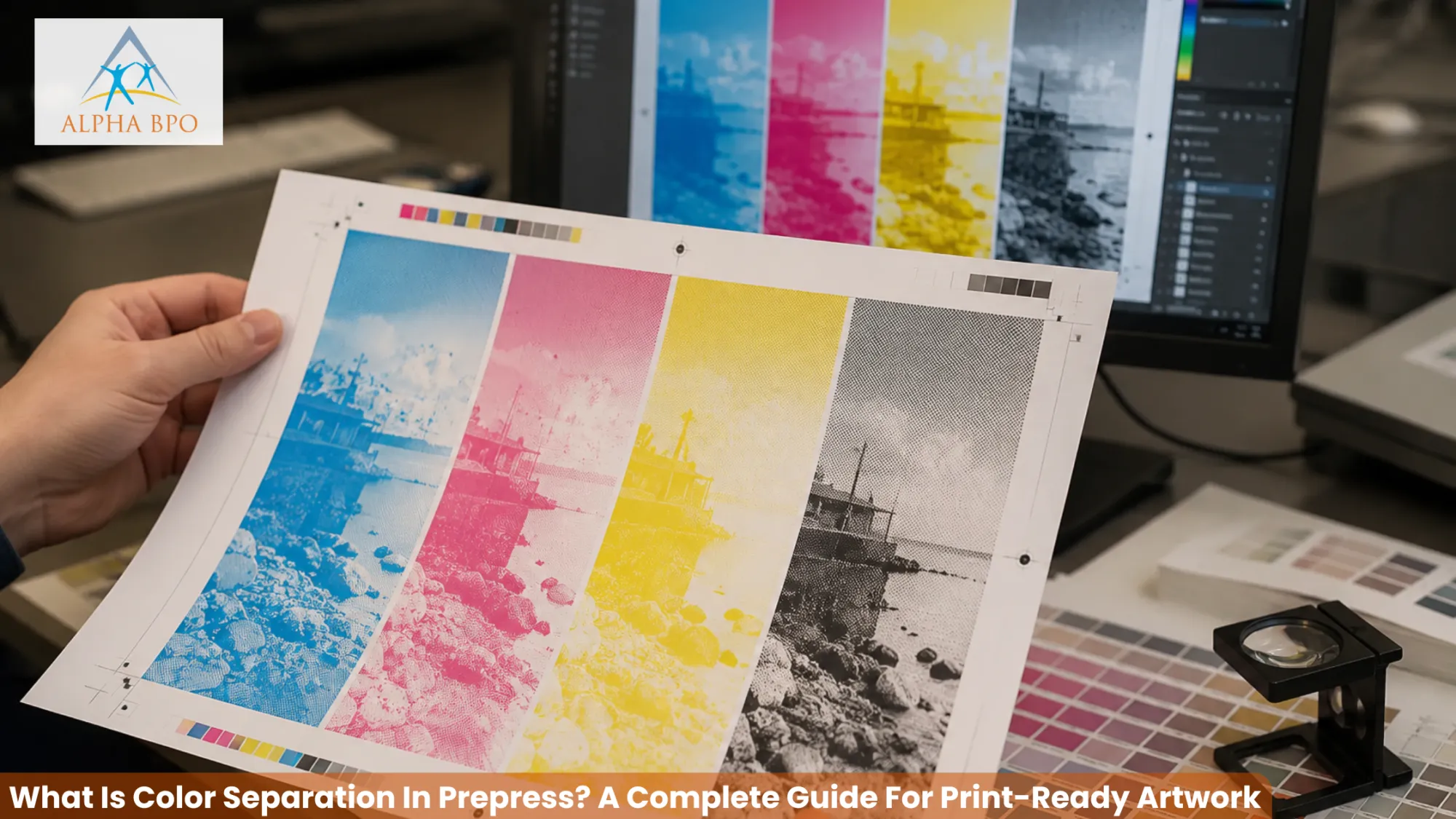
As mentioned above, color separation is the process of separating an artwork's colors for future printing. Unlike screens, printing machines cannot interpret digital images. It means each color needs to be properly separated before starting the printing process.
The color separation process is an integral part of prepress preparation. Using this process, designers can convert digital artwork into separate color plates or color digital files. Such files usually include information about the inks to be used in the printing process. In other words, these are usually CMYK colors such as cyan, magenta, yellow, and black.
Every color is printed separately and then merged on paper to produce the desired effect. You get high-quality printing that matches your original artwork perfectly.
Why Color Separation Is Important In Label Printing?
Labels often include text, logos, images, and barcodes that must be printed accurately. Otherwise, color inconsistencies may lead to low-quality prints and even loss of product credibility.
That’s why color separation in label printing is among the essential steps in the label printing process. Advantages of color separation are:
- Helps get quicker printing approvals.
- Decreases the chances of printing mistakes.
- Provides greater clarity to the image.
- Helps in the accurate representation of brand colors.
- Improves color uniformity in the printed material.
Without proper color separation, labels would not be of decent quality. It is highly recommended to perform color separation before starting any label prepress process and printing.
How Does The Color Separation Process Work?
The first step is analyzing the initial artwork file. Then the file is separated into different color channels corresponding to specific printing colors. The steps include the following:
Artwork Evaluation
Before the process starts, the designer should check the artwork for potential errors, such as unembedded fonts, improper color settings, and low resolution. All of those things can affect the end product.
Color Conversion
The next step is to convert the artwork file to CMYK color separation. Thus, the file is separated into different color channels, each represented by a corresponding color: C, M, Y, or K. Each of those colors corresponds to a different printing ink.
Color Adjustment
Prepress specialists need to adjust the file colors to ensure accurate reproduction during printing. It is achieved through prepress color management, which uses various tools.
Proofing
Once all adjustments are made, a digital or physical proof is created for further client approval. Once the design is approved, the file becomes print-ready artwork.
CMYK Color Separation Explained
CMYK is the standard color model in commercial printing. Four printing inks are needed to create millions of possible colors. Some of them are:
Cyan
Provides color in shades of blue, green, and cool tones.
Magenta
Gives red, purple, and pink colors.
Yellow
Contributes brightness and helps give orange and green colors.
Black
Gives shading to make the picture more detailed.
Using color separation and printing layers, designers can print a variety of colors using just four colors.
What Is Spot Color Printing?
Although CMYK color separation is sufficient for most label printing jobs, there are cases when spot color printing is needed. Unlike other CMYK color mixes, spot colors are prepared in advance and provide the exact mix for each color. It enables perfect color matching.
For example, Coca-Cola's signature red or Tiffany & Co.'s distinctive blue often requires spot color matching to maintain brand consistency.
Uses of spot color printing include the following:
- Specialty label printing.
- Corporate branding.
- Luxury packaging and printing.
- Creating metallic or fluorescent effects.
Prepress color management enables the accurate printing of almost any artwork.
The Role Of Prepress Color Management
Modern printing technology allows reproducing designs and images in amazing quality. However, it should be noted that different devices represent colors differently. For instance, the colors that appear on your computer screen might be totally different when printed. That is why prepress color management is so important nowadays.
With its help, prepress experts can ensure color consistency from the design phase through printing. As a result, you get great color control, which guarantees high-quality printing. The benefits of prepress color management include the following:
- Greater customer satisfaction.
- Fewer corrections of proofs and prints.
- Consistent brand colors.
- Faster printing cycle.
- Greater production efficiency.
All of these things are possible with proper calibrations of monitors and other color management tools.
Color Separation In Flexographic Label Printing
Flexographic printing is currently one of the most popular methods of producing labels and other printed materials. It is efficient and fast, which is the main reason for its popularity. Each color in the artwork should be separated.
However, in flexographic label printing, each color is transferred using a dedicated printing plate. Thus, several plates are needed to form the end image. Therefore, color separation is highly important in flexographic printing for several reasons.
- Colors should be perfectly consistent.
- Colors should be aligned perfectly during printing.
- Registration errors can lead to bad results.
- Fine print details should be reproduced accurately.
Using this prepress process, flexo printers can achieve top-quality prints.
Color Separation In Digital Label Printing
Unlike flexographic printing, digital label production does not use printing plates for transfers. Instead, digital presses read color data from the digital file and print it as is. However, it does not mean that color separation is not important.
Even in digital label production, color separation remains necessary. After all, you need to provide the printing machine with clear color separation data to ensure accurate printing. Some benefits of digital label printing are the following:
- Fast production time.
- Variable data capability.
- Ability to produce short-run prints.
All of this is complemented by color separation, which ensures consistent color.
Best Practices For Label Design For Printing
Proper color separation is essential when printing labels. Designers should follow several basic rules to ensure the final result is excellent.
Specify Spot Colors
If exact color matching is required, specify spot color in the document.
Use High Resolution Images
Low-resolution images can appear blurry when printed.
Work In CMYK
Using the CMYK color model from the beginning helps eliminate unnecessary color separations.
Fonts Outline
By outlining the text, you can prevent any font issues that may arise.
Bleed
Adding bleeds allows the art to be cut properly.
Proof Check
It is important to check the proofs before approving the prints.
Increase The Print Design Quality With Color Separation Using Digital Prepress Services
Color separation is the most essential step in the prepress stage. The process helps convert digital artwork into an accurate, repeatable reproduction. From CMYK color separation, spot color printing, and flexographic label printing to digital label printing, the color separation process ensures your labels are high-quality and accurately represent your brand.
Companies can take advantage of reliable and digital prepress services to improve print quality, ensure color accuracy, and prevent unnecessary production problems that may affect the final quality.
Learning about the color separation process not only helps you understand the technical aspects of this topic but also how to apply this knowledge to improve the quality of your prints and labels.

























Sign in to leave a comment.