
Electronic Interlocking System in Railways
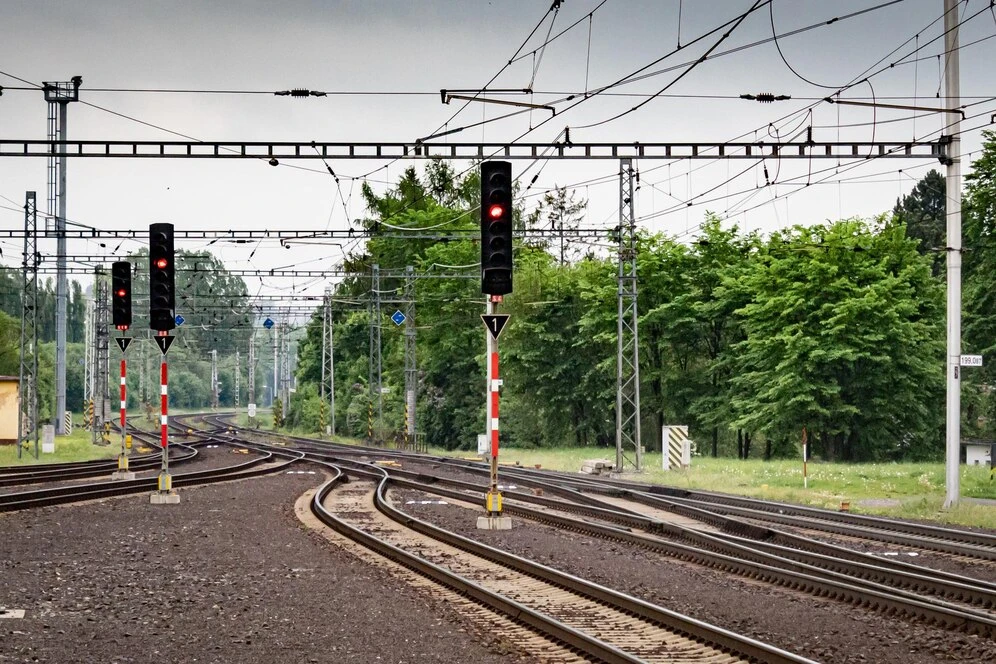
The Electronic Interlocking System in Railways represents a significant advancement over traditional mechanical and relay-based interlocking systems. EIS is a computerized system used to manage the safe movement of trains by controlling signals and track points. This technology ensures that trains operate smoothly and efficiently while preventing collisions and derailments.
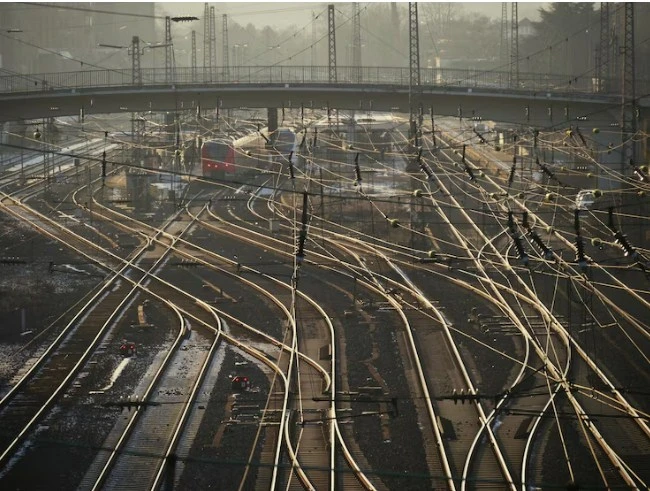
Electronic Interlocking System in Railways
Key Features of Electronic Interlocking System
- Enhanced Safety: EIS reduces the risk of human error, which is often a factor in accidents. The system automatically verifies the safety of routes before allowing a train to proceed.
- Flexibility and Scalability: It can be easily expanded and adapted to accommodate new tracks, signals, and routes as rail networks grow.
- Real-Time Monitoring and Control: Operators can monitor the status of tracks and signals in real-time, allowing for quick responses to any issues that arise.
- Redundancy and Reliability: EIS systems are designed with redundancy to ensure continuous operation even if one part of the system fails.
Benefits of Electronic Interlocking
- Efficiency: By automating many of the tasks traditionally handled by humans, EIS increases the overall efficiency of railway operations.
- Cost Savings: Reduced need for manual labor and maintenance of mechanical parts leads to significant cost savings.
- Improved Service: EIS allows for more trains to run on the same tracks without compromising safety, improving service frequency and reliability.
RAMS in Railways
Reliability, Availability, Maintainability, and Safety RAMS in Railways are crucial parameters in the design and operation of railway systems. RAMS ensure that railway infrastructure and operations meet stringent performance and safety standards.
Components of RAMS
- Reliability: Ensures that the railway components and systems perform their intended functions without failure over a specified period.
- Availability: Measures the proportion of time the railway system is operational and accessible for use.
- Maintainability: Refers to the ease and speed with which a railway system can be repaired and maintained.
- Safety: Ensures that the railway system operates without causing unacceptable risk of harm to passengers, staff, and the public.
Implementation of RAMS
- Design Phase: Incorporating RAMS principles during the design phase of railway projects ensures that systems are built with long-term reliability and safety in mind.
- Operational Phase: Regular monitoring and maintenance activities are essential to maintain the RAMS standards throughout the lifecycle of railway assets.
- Data Analysis: Collecting and analyzing operational data helps in predicting potential failures and optimizing maintenance schedules.
Interlocking Logic Circuits in Railway Signalling
The heart of Interlocking Logic Circuits in Railway Signalling . They ensure that the movement of trains is controlled in a safe and efficient manner. These circuits are responsible for the logical conditions that must be met before a signal can be cleared or a track switch can be operated.
Function of Interlocking Logic Circuits
- Signal Control: Determines when signals should be green, yellow, or red based on the presence of trains and the status of the track.
- Point Control: Manages the switching of tracks to ensure that trains are directed to the correct route.
- Route Setting: Ensures that a train can only be given a clear signal if the entire route to its destination is free of obstructions and conflicting movements.
Types of Interlocking
- Mechanical Interlocking: Uses physical levers and gears to control signals and track switches.
- Relay Interlocking: Uses electrical relays to achieve the same functions as mechanical interlocking, but with more flexibility and less physical space.
- Electronic Interlocking: Uses microprocessors and digital logic to control signals and points, offering greater efficiency and reliability.
Railway Signalling Automation Companies: Sensedge
Sensedge is a prominent player in the field of railway signalling automation. The company specializes in providing advanced signalling solutions that enhance the safety, reliability, and efficiency of railway operations.
Sensedge’s Offerings
- Advanced Signalling Systems: Sensedge develops and deploys cutting-edge signalling systems that incorporate the latest technologies in electronic interlocking and automation.
- Integrated Solutions: The company offers comprehensive solutions that integrate signalling with other railway systems, such as train control and communication.
- Maintenance and Support: Sensedge provides ongoing maintenance and support services to ensure that signalling systems remain in optimal condition throughout their lifecycle.
Case Studies and Success Stories
Sensedge has successfully implemented its solutions in various railway networks around the world, demonstrating the effectiveness and reliability of its technologies. These implementations have resulted in improved operational efficiency, reduced downtime, and enhanced safety for passengers and staff.
Future Directions
As the railway industry continues to evolve, Sensedge is at the forefront of developing new technologies and solutions that address emerging challenges. This includes advancements in predictive maintenance, data analytics, and the integration of artificial intelligence to further enhance the capabilities of railway signalling systems.
The integration of advanced technologies in railway signalling, such as the Electronic Interlocking System and RAMS principles, plays a critical role in ensuring the safety and efficiency of modern rail networks. Railway Signalling Automation Companies like Sensedge are leading the way by providing innovative solutions that meet the evolving needs of the railway industry. Through continuous improvement and adaptation, these technologies and solutions will help shape the future of railway transportation, making it safer, more reliable, and more efficient for passengers and operators alike.


















Sign in to leave a comment.