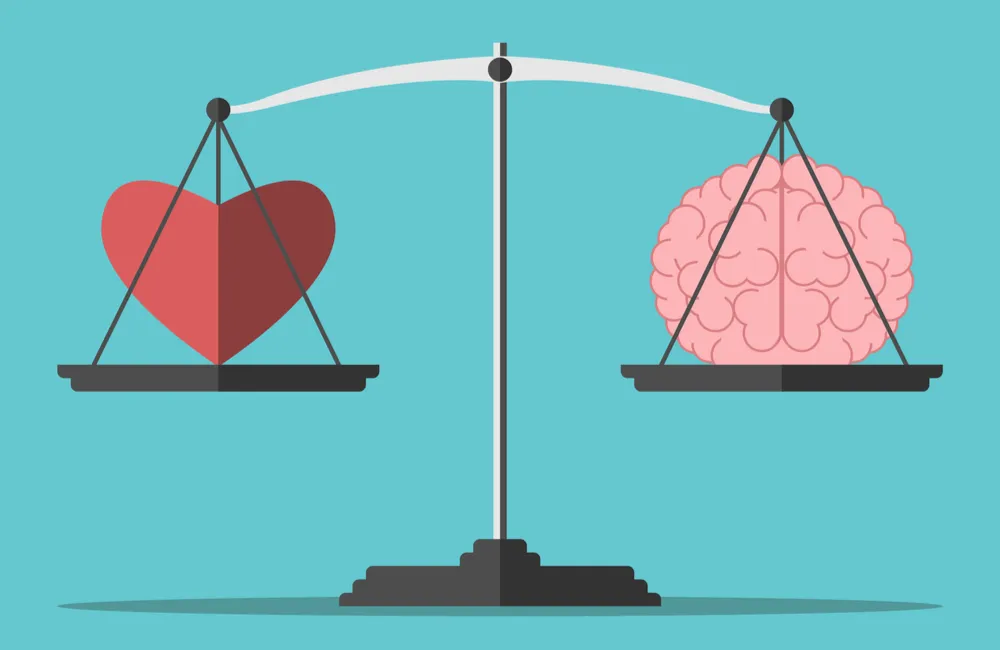

Emotional intelligence, often shortened to EQ, is the ability to recognize, understand, and manage your own emotions while also being aware of and influencing the emotions of people around you. Unlike IQ, which measures cognitive ability, EQ measures how well a person navigates relationships, handles stress, and responds to everyday challenges with self-awareness rather than impulsive reaction.
In a world where academic scores and technical skills were once considered the only markers of success, emotional intelligence has quietly become one of the most sought-after traits in personal and professional life. Parents want emotionally balanced children. Employers want emotionally mature employees. Individuals want to feel more in control of their own inner world.
Why Has Emotional Intelligence Become So Important in Recent Years?
The pace of modern life has changed dramatically. Constant digital connectivity, academic pressure, workplace competition, and social comparison have made emotional regulation harder than ever before.
People Are Recognizing the Limits of Traditional Intelligence
For decades, success was largely tied to academic performance and technical expertise. However, research and real-world experience have shown that people with high IQ but low emotional awareness often struggle with relationships, leadership, and long-term happiness.
Mental Health Conversations Are More Open Than Before
Society is finally acknowledging that mental and emotional wellbeing are just as important as physical health. This shift has created space for coaching, therapy, and self-development practices to be seen as valuable rather than taboo.
What Are the Core Components of Emotional Intelligence?
Emotional intelligence is not a single skill but a combination of interconnected abilities that work together.
- Self-awareness – recognizing your own emotions as they arise
- Self-regulation – managing impulsive feelings and behaviors in healthy ways
- Motivation – channeling emotions to pursue goals with persistence
- Empathy – understanding and sharing the feelings of others
- Social skills – building and maintaining healthy relationships
Each of these components can be developed with practice, reflection, and the right guidance.
How Is Emotional Intelligence Different From Personality?
Many people confuse emotional development with personality traits, but they are not the same thing. This distinction, often referred to as emotional education vs personality development, is important to understand.
Personality Is Relatively Fixed, Emotions Are Trainable
Personality traits like introversion or extroversion tend to remain fairly stable throughout life. Emotional intelligence, on the other hand, is a skill set that can be actively learned, practiced, and improved regardless of personality type.
One Focuses on "Who You Are," the Other Focuses on "How You Respond"
Personality development often centers on shaping identity, confidence, and outward expression. Emotional education focuses specifically on how a person processes feelings, handles conflict, and communicates internally and externally.
Why Does Emotional Intelligence Matter for Children?
Children today face pressures that previous generations rarely encountered at such a young age, including academic competition, social media exposure, and packed schedules.
Academic Stress Is Affecting Children at Younger Ages
Academic stress in school children has become increasingly common, with many students experiencing anxiety over grades, exams, and parental expectations long before they reach their teenage years. Left unaddressed, this stress can affect concentration, self-esteem, and overall wellbeing.
Early Emotional Skills Shape Long-Term Behavior
Children who learn to identify and express their emotions early tend to develop better coping mechanisms, stronger friendships, and healthier responses to failure or disappointment as they grow older.
How Can Emotional Coaching Help Children Cope Better?
Structured guidance from a trained professional can make a significant difference in how children process their emotions.
Coaches Provide Tools, Not Just Advice
Rather than simply telling a child to "calm down" or "be confident," effective coaching introduces practical tools such as breathing techniques, journaling, and guided conversation to help children understand what they are feeling and why.
Early Intervention Prevents Long-Term Emotional Suppression
When children are given a safe space to express themselves, they are less likely to suppress emotions, which can otherwise resurface later as anxiety, anger issues, or low self-worth. This is why emotional coaching for kids in Ahmedabad has seen growing interest among parents who want proactive rather than reactive support for their children.
Is Emotional Intelligence Only Relevant for Children?
Not at all. Adults, particularly women balancing multiple roles and responsibilities, often need dedicated emotional support just as much as children do.
Women Often Carry Invisible Emotional Labor
Many women manage careers, households, caregiving responsibilities, and social expectations simultaneously, often without adequate time to process their own emotional needs. Over time, this can lead to burnout and emotional exhaustion.
Structured Retreats Offer Space for Reflection
A women's wellness retreat provides a dedicated environment away from daily responsibilities, allowing participants to reconnect with themselves, process suppressed emotions, and return home with renewed clarity and emotional balance.
What Role Does a Professional Coach Play in Emotional Development?
While books and online resources offer general guidance, personalized coaching provides a level of depth and accountability that self-help alone often cannot.
Coaches Offer Personalized, Judgment-Free Guidance
An Emotional wellness coach works closely with individuals to identify specific emotional patterns, triggers, and blind spots, offering strategies tailored to that person's unique circumstances rather than generic advice.
Consistency Leads to Lasting Change
Emotional growth is rarely instant. Regular sessions with a coach help reinforce new habits and thought patterns until they become a natural part of how a person responds to life's challenges.
Why Is Local, Accessible Emotional Support Important?
Access to quality emotional guidance shouldn't be limited to metro cities or expensive therapy centers. Communities benefit when support is available close to home.
Local Support Builds Trust and Continuity
Working with someone who understands the local culture, language nuances, and community context often makes the coaching process feel more relatable and effective.
Growing Demand in Gujarat's Communities
There has been a noticeable rise in demand for Emotional Wellness Support in Ahmedabad, reflecting a broader shift where families and individuals are actively seeking structured emotional guidance rather than waiting for a crisis to occur.
Are the First Steps Toward Building Emotional Intelligence?
Developing emotional intelligence doesn't require a complete lifestyle overhaul. It begins with small, consistent practices.
- Pause before reacting to identify what you're actually feeling
- Name your emotions specifically rather than using vague terms like "fine" or "bad"
- Practice active listening in conversations without planning your response in advance
- Reflect on emotional triggers through journaling or quiet self-review
- Seek professional guidance when patterns feel too difficult to manage alone
Final Thoughts
Emotional intelligence is no longer a soft skill reserved for personal development enthusiasts. It is a practical, learnable ability that shapes how children handle stress, how adults navigate relationships, and how communities build emotionally healthier environments overall. Whether through coaching, retreats, or simple daily reflection, investing in emotional growth pays off across every stage of life.


























Sign in to leave a comment.