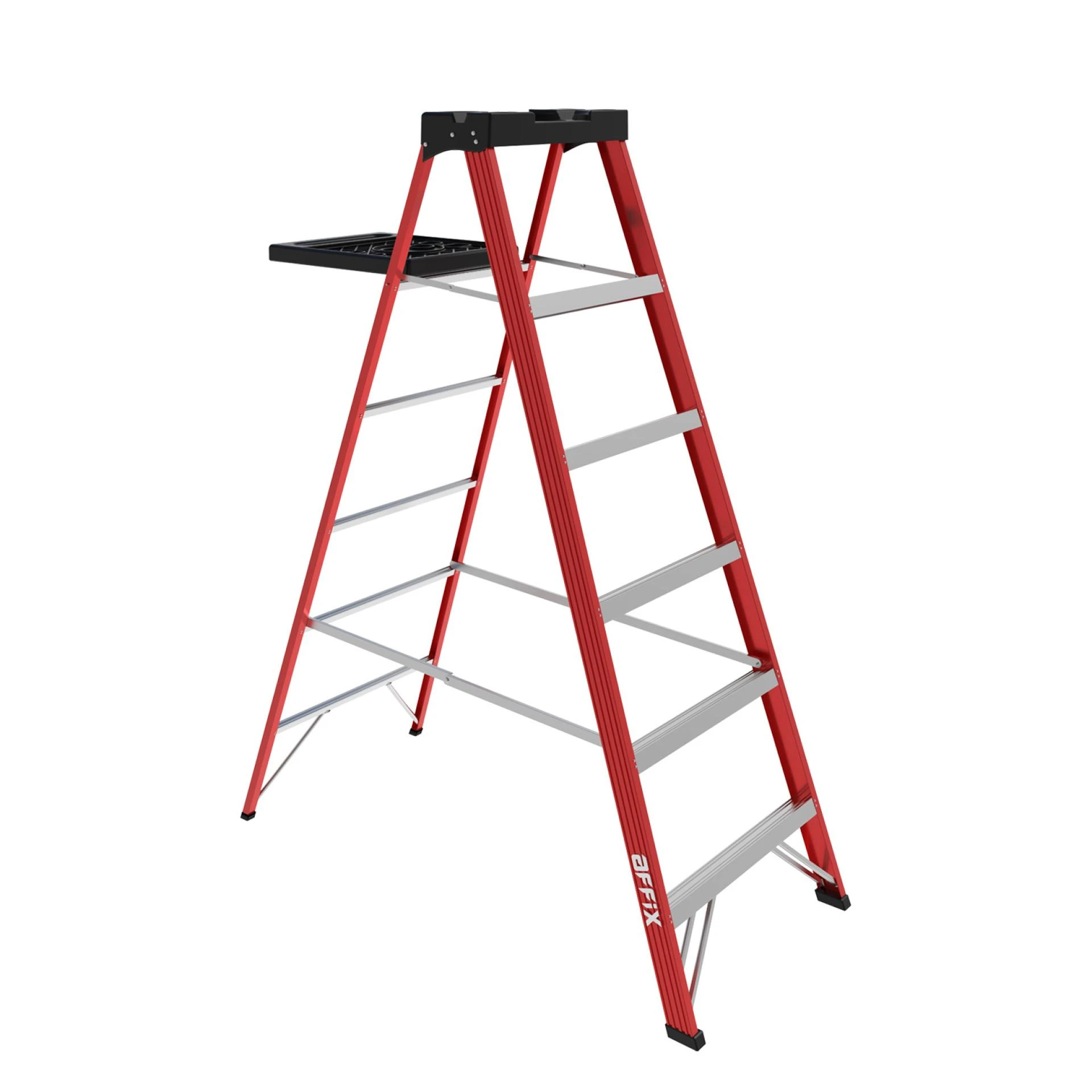

Construction and industrial projects demand scaffolding systems that meet strict safety and performance standards. FRP scaffolding in Saudi Arabia continues to gain traction as contractors seek non-conductive, corrosion-resistant alternatives for specialized environments.
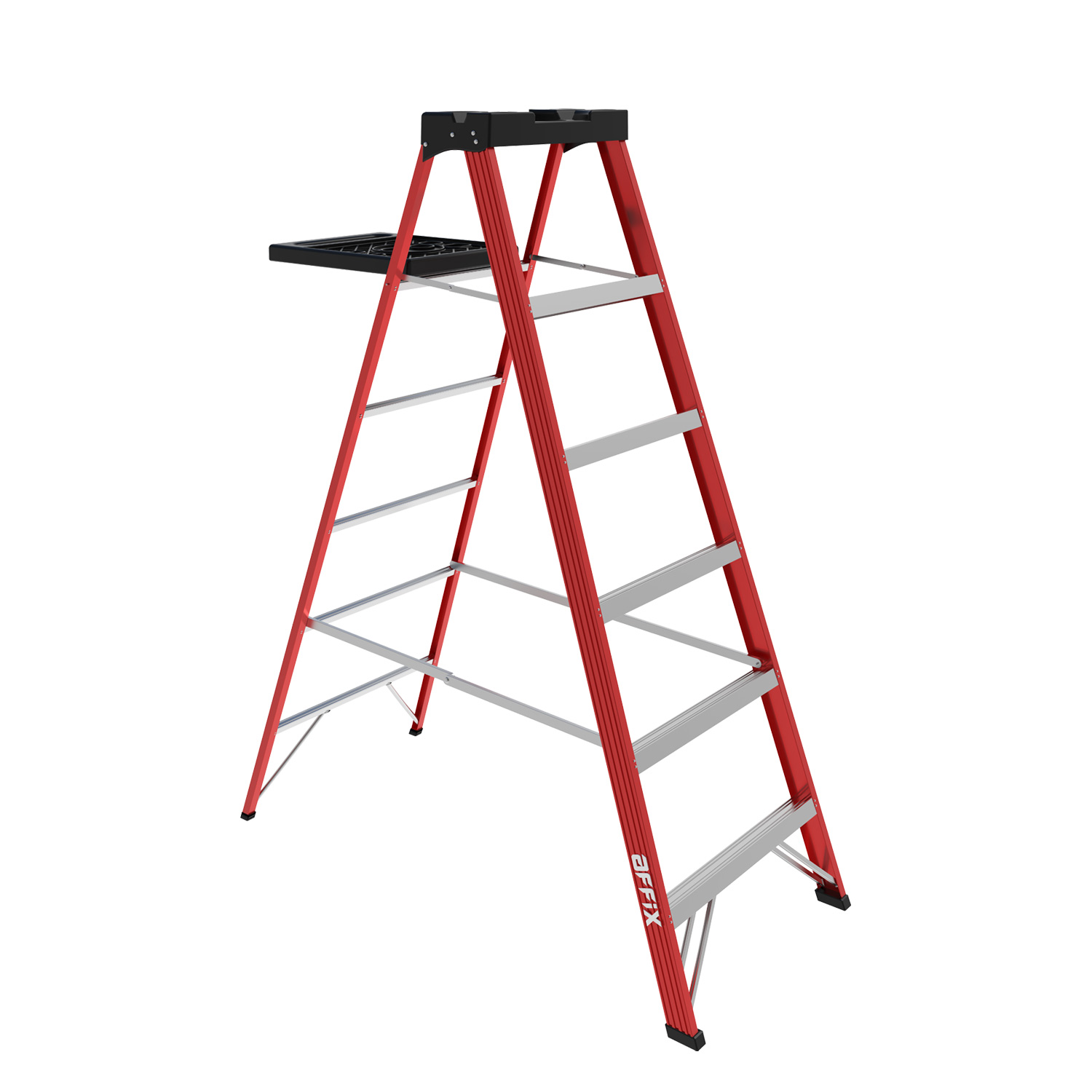
Certification plays a central role in ensuring that FRP scaffolding systems perform safely under real working conditions. Without proper certification, even high-quality materials fail to meet regulatory expectations and may expose contractors to operational risks.
What FRP Scaffolding Means?
FRP, or Fiber Reinforced Plastic, combines strong fibers with a polymer matrix to create a lightweight yet durable material. This composition gives FRP scaffolding unique advantages over traditional steel or aluminum systems.
Key characteristics include:
- Electrical non-conductivity
- High resistance to corrosion
- Lightweight structure
- Low maintenance requirements
These features make FRP scaffolding suitable for industries such as oil and gas, chemical plants, and power generation facilities.
Why Certification Holds Critical Importance?
Certification confirms that FRP scaffolding meets established safety, quality, and performance benchmarks. Regulatory authorities and project managers rely on certification to validate equipment before approving its use.
Without certification, contractors face:
- Increased safety risks
- Legal and compliance issues
- Project delays due to inspections
- Higher liability exposure
Certification ensures that the scaffolding system can handle real-world loads, environmental stress, and operational demands.
Core Certification Requirements for FRP Scaffolding
Certification involves multiple layers of evaluation. Each requirement ensures the system meets both structural and safety expectations.
1. Material Quality Verification
Testing agencies assess the quality of FRP materials used in scaffolding components.
This process includes:
- Fiber strength analysis
- Resin quality testing
- Resistance to environmental degradation
- Structural integrity under stress
Material quality directly affects load capacity and long-term performance.
2. Load-Bearing Capacity Testing
Scaffolding must support specific loads without deformation or failure. Certification bodies conduct controlled tests to verify strength.
Load testing evaluates:
- Maximum load limits
- Platform stability under weight
- Distribution of load across components
Accurate load ratings help contractors use scaffolding safely on-site.
3. Fire Resistance and Heat Performance
FRP materials must meet fire safety standards, especially in industrial environments.
Certification checks:
- Flame spread characteristics
- Heat resistance levels
- Smoke generation properties
Fire-resistant FRP scaffolding reduces risk in high-temperature or hazardous areas.
4. Electrical Insulation Standards
One of the primary benefits of FRP scaffolding lies in its non-conductive nature. Certification verifies this property through electrical testing.
Testing ensures:
- High insulation resistance
- Protection against electrical hazards
- Safe use near power lines or electrical installations
This feature proves essential in industries where electrical exposure remains a constant risk.
5. Dimensional Accuracy and Structural Design
Certification also examines the design and dimensions of scaffolding components.
Inspectors evaluate:
- Precision in manufacturing
- Compatibility of parts
- Stability of assembled structures
Proper design ensures safe assembly and reliable performance.
International Standards Governing FRP Scaffolding
Several global standards influence FRP scaffolding certification. Contractors working on large projects often require compliance with these benchmarks.
Common Standards Include:
- OSHA regulations for workplace safety
- EN standards for scaffolding systems
- ANSI guidelines for structural performance
- ISO certifications for quality management
Compliance with these standards demonstrates reliability and enhances project credibility.
Regional Compliance Requirements
Different regions enforce specific certification requirements based on local regulations. In Saudi Arabia, contractors must align with national safety codes and industry practices.
Authorities may require:
- Approved testing certifications
- Compliance with local labor and safety laws
- Documentation for inspection approvals
Meeting regional requirements ensures smooth project execution without regulatory interruptions.
Certification Process for FRP Scaffolding
Certification involves a structured process that evaluates every aspect of the scaffolding system.
Step-by-Step Process
- Material Testing: Laboratories analyze raw materials for strength and durability.
- Prototype Evaluation: Engineers assess the initial design for structural integrity.
- Load and Stress Testing: Controlled tests measure performance under various conditions.
- Safety Feature Inspection: Inspectors verify guardrails, platforms, and locking mechanisms.
- Documentation Review: Authorities examine technical specifications and compliance records.
- Final Approval: Certification bodies issue approval once all criteria are met.
This process ensures that only reliable scaffolding systems reach the market.
Documentation Required for Certification
Proper documentation supports the certification process and validates compliance.
Essential Documents
- Material test reports
- Load testing certificates
- Design specifications
- Quality assurance records
- Safety compliance approvals
Accurate documentation simplifies inspections and builds confidence among project stakeholders.
Benefits of Certified FRP Scaffolding
Certification delivers measurable advantages for contractors and project managers.
Key Benefits
- Enhanced worker safety
- Reduced risk of structural failure
- Compliance with legal requirements
- Improved project credibility
- Longer equipment lifespan
Certified systems assure that scaffolding will perform as expected under demanding conditions.
Challenges in Meeting Certification Requirements
Achieving certification requires effort and investment. Contractors and manufacturers may face several challenges.
Common Challenges
- High testing and certification costs
- Complex regulatory requirements
- Need for specialized testing facilities
- Time-consuming approval processes
Despite these challenges, certification remains essential for safe and reliable operations.
Role of Inspection and Maintenance
Certification does not end after approval. Regular inspection and maintenance ensure continued compliance and performance.
Contractors should:
- Conduct periodic inspections
- Check for wear and damage
- Replace faulty components
- Maintain proper assembly practices
Ongoing maintenance preserves the integrity of certified scaffolding systems.
Comparison with Traditional Scaffolding Certification
FRP scaffolding certification differs from traditional systems due to material properties.
Key Differences
- FRP requires electrical insulation testing
- Steel scaffolding focuses more on corrosion resistance
- FRP certification includes a fire performance evaluation
- Aluminum systems emphasize lightweight structural testing
These differences highlight the specialized nature of FRP scaffolding.
Industries That Require Certified FRP Scaffolding
Certain industries demand FRP scaffolding due to its unique properties.
Major Sectors
- Oil and gas facilities
- Chemical processing plants
- Power generation units
- Marine environments
- Infrastructure projects involving electrical work
Certified FRP scaffolding ensures safety in these high-risk environments.
Best Practices for Contractors
Contractors can streamline certification and ensure compliance by following effective practices.
Recommended Actions
- Source scaffolding from certified manufacturers
- Verify all documentation before purchase
- Train workers on proper usage
- Conduct regular safety audits
- Stay updated with regulatory changes
These practices help maintain safety standards and avoid compliance issues.
Future Outlook for FRP Scaffolding Certification
As industries adopt advanced materials, certification requirements continue to evolve. Authorities are likely to introduce stricter testing standards to ensure higher safety levels.
Innovations in FRP technology may lead to:
- Improved fire resistance
- Enhanced load capacity
- Better environmental performance
Contractors who stay aligned with evolving standards will maintain a competitive edge.
Conclusion
FRP scaffolding certification serves as a critical checkpoint for safety, quality, and reliability. It ensures that scaffolding systems meet the demands of challenging industrial environments while protecting workers and assets.
Contractors who prioritize certified FRP scaffolding reduce risks, improve operational efficiency, and maintain compliance with regulatory requirements. A structured approach to certification, combined with proper maintenance and inspection, supports long-term success across construction and industrial projects.























Sign in to leave a comment.