
When it comes to custom t-shirt printing, there are several methods available, each with its own advantages. One of the most versatile and widely used techniques in Singapore is heat transfer t-shirt printing. Whether you’re an event organiser, a small business owner, or just someone looking to create personalised apparel, heat transfer offers flexibility and excellent results.
At JoSa Imaging, a leading name in custom printing Singapore, we specialise in a range of t-shirt printing methods, including heat transfer. This blog will explain what heat transfer printing is, how it works, its benefits and limitations, and when it’s the best choice for your project.
What Is Heat Transfer T-Shirt Printing?
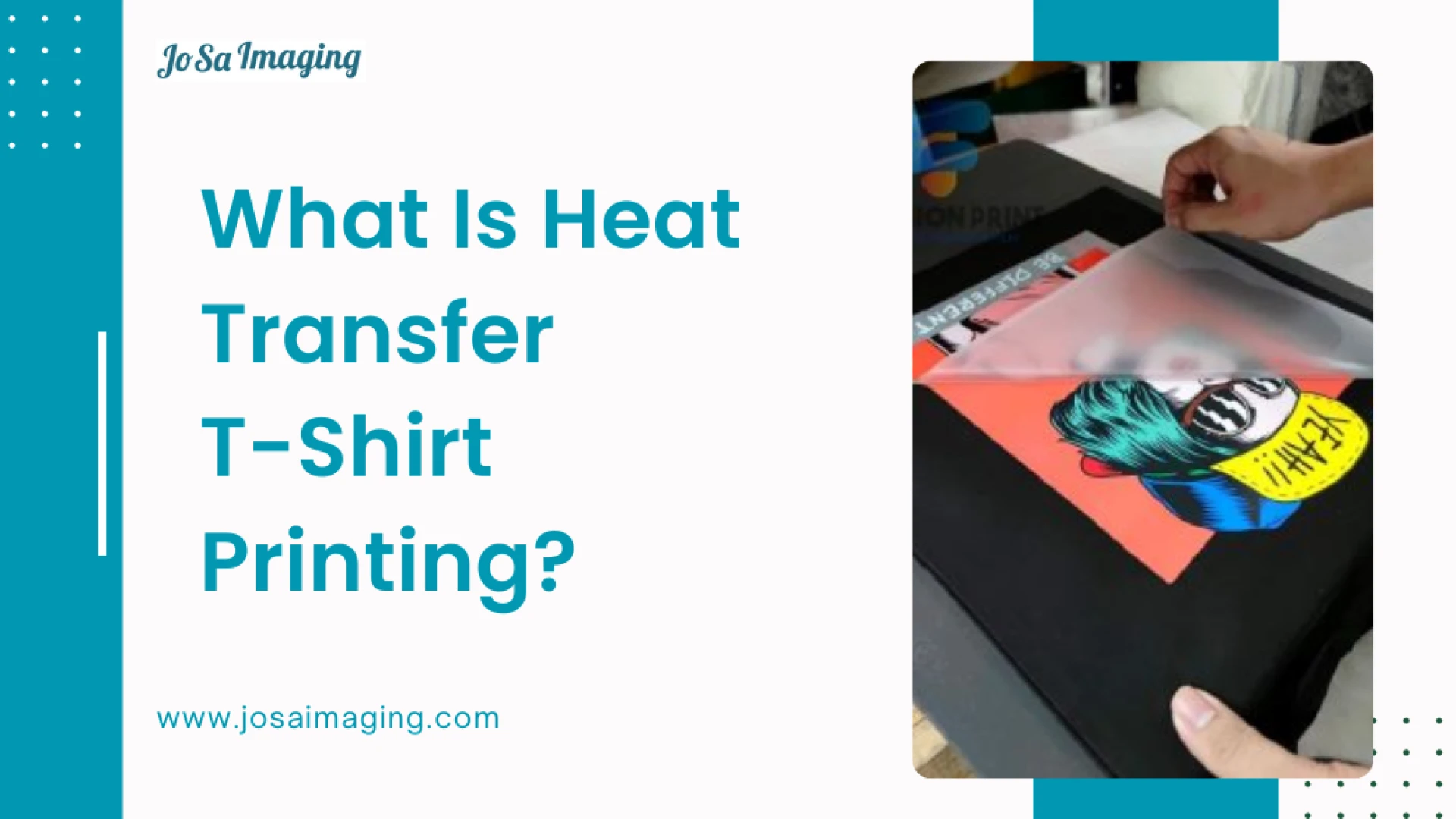
Heat transfer printing is a method where a design is first printed onto a special transfer paper (or vinyl sheet). Then, using heat and pressure from a heat press machine, the design is transferred onto the t-shirt fabric. The combination of high temperature and pressure embeds the print into the garment, creating a clean and vibrant result.
There are two main types of heat transfer:
- Digital Heat Transfer:
- Uses full-colour printing on a transfer sheet and is then pressed onto the t-shirt.
- Vinyl Heat Transfer:
- Involves cutting designs out of coloured vinyl sheets and pressing them onto fabric.
Both methods offer unique benefits depending on the type of design and quantity required.
How Does Heat Transfer Printing Work?
The process is simple but requires precision:
- Design Preparation: Your design is prepared in a high-resolution digital format.
- Printing or Cutting:
- For digital transfers, the image is printed directly onto transfer paper.
- For vinyl, a cutting machine slices the design out of vinyl sheets.
- Heat Pressing: The transfer or vinyl is placed on the t-shirt, and a heat press machine applies high pressure and heat (usually around 160–180°C).
- Peeling: After pressing, the backing sheet is carefully peeled off, leaving the design perfectly embedded into the fabric.
This process works on a wide variety of fabrics, including cotton, polyester, and blends.
Benefits of Heat Transfer T-Shirt Printing
1. High-Quality Prints
Heat transfer delivers vivid, detailed, and colourful designs, making it ideal for artwork, photos, and logos that require a lot of detail.
2. No Minimum Order Quantity
Unlike screen printing, there is no setup cost, so you can print even a single t-shirt. This makes it perfect for small batches and personalised gifts.
3. Versatile Applications
Heat transfer can be applied to t-shirts, hoodies, jerseys, tote bags, caps, and more.
4. Durable for Short to Medium Use
While not as long-lasting as screen printing, heat transfer prints are quite durable if washed and cared for properly.
5. Cost-Effective for Small Runs
It’s one of the most affordable printing options for 1–50 pieces, particularly for complex designs.
Limitations of Heat Transfer Printing
Despite its many benefits, there are a few factors to consider:
- Not Ideal for Large Bulk Orders:
- Heat transfer is more time-consuming on large orders, making screen printing more cost-effective in such cases.
- Less Breathable:
- Because the design sits on top of the fabric, it can feel slightly heavier compared to DTG printing.
- Durability:
- Over time, with frequent washing, heat transfer prints may start to crack or fade.
When Should You Choose Heat Transfer Printing?
Heat transfer is ideal for:
- Customised or one-off pieces (birthdays, gifts, events)
- Small orders with complex designs (multi-colour logos, photographs)
- Sportswear (names and numbers on jerseys)
- Corporate merchandise for limited events
For large, simple designs in high quantities, screen printing or DTG may be more efficient.
Caring for Heat Transfer Printed T-Shirts
To make your printed t-shirts last longer:
- Wash inside out in cold water
- Avoid bleach and harsh detergents
- Hang dry or tumble dry on low heat
- Do not iron directly over the printed area
With proper care, your heat transfer prints can stay vibrant for a long time.
Also Read: Heat Transfer vs. Screen Printing
Why Choose JoSa Imaging for Heat Transfer Printing?
At JoSa Imaging, we bring your designs to life with precision and care:
- State-of-the-art equipment for accurate and vibrant prints
- Low MOQ with no compromise on quality
- Fast turnaround times for urgent projects
- Expert design support to ensure your files are print-read
- Eco-conscious printing practices
We’ve worked with corporate clients, schools, event planners, and individuals across Singapore, helping them achieve high-quality customised apparel that makes a statement.
Conclusion
Heat transfer t-shirt printing is a versatile, affordable, and vibrant method for personal and small-batch apparel customisation. Whether you need a single unique shirt or 50 event tees, JoSa Imaging’s heat transfer printing services in Singapore can help you create professional-looking results that stand out.
Ready to start your custom t-shirt project?
Contact JoSa Imaging today and let us bring your ideas to life!
🌐 www.josaimaging.com | 📞 +65 9138 7912































Sign in to leave a comment.