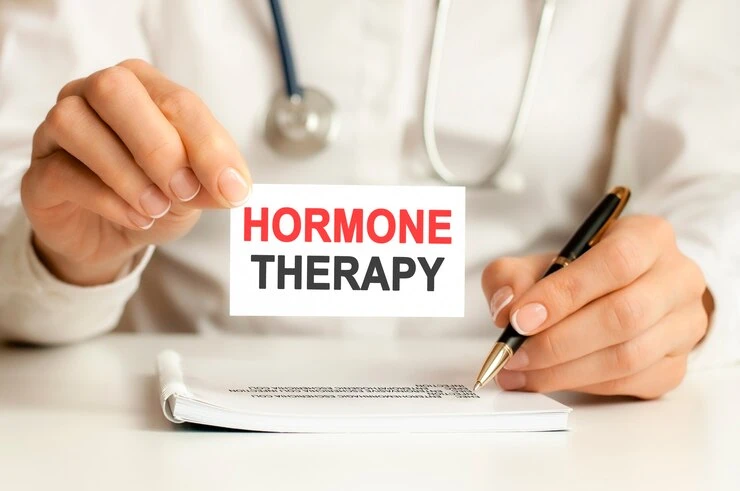

Hormonal therapy is a specialized cancer treatment designed to target cancers that grow in response to hormones. Certain cancers—such as breast and prostate cancer—depend on hormones like estrogen or testosterone to grow and multiply. Hormonal therapy works by reducing the level of these hormones or blocking their effect on cancer cells. This approach helps slow the growth of cancer and, in many cases, prevents it from coming back. It is widely used as part of modern oncology care and is often recommended by specialists for hormone-dependent cancers.
How Does Hormonal Therapy Work?
Hormonal therapy uses medicines or procedures to interfere with the body's natural hormone activity. It works mainly in two ways:
1. Reducing hormone production:
Some treatments lower the amount of hormones produced in the body. For example, medications can limit estrogen or testosterone levels.
2. Blocking hormones from reaching cancer cells:
Certain drugs attach to hormone receptors on cancer cells, preventing hormones from feeding their growth.
By controlling these hormone-driven pathways, hormonal therapy helps slow down cancer progression and enhances the effectiveness of other treatments such as surgery, radiation, or chemotherapy.
When Is Hormonal Therapy Used?
Hormonal therapy is typically recommended in the following situations:
- Breast Cancer:
For hormone-receptor-positive breast cancers, medicines like tamoxifen or aromatase inhibitors help stop estrogen from stimulating cancer growth.
- Prostate Cancer:
When prostate tumors rely on testosterone to grow, hormonal therapy helps lower or block the hormone to control cancer progression.
- High-Risk Patients:
In some cases, hormonal therapy may be used to reduce the chances of cancer developing in individuals at higher risk.
- Before or After Other Treatments:
It can be given before surgery to shrink tumors or after treatment to prevent recurrence.
Benefits of Hormonal Therapy
Hormonal therapy offers several important benefits in cancer management:
- Slows or stops the growth of hormone-dependent cancers
- Helps shrink tumors before surgery
- Reduces the risk of cancer returning after treatment
- Allows long-term management of cancer with oral or injectable medicines
- Works as a targeted approach with manageable side effects for many patients
Why Choose Dr. Pooja Babbar for Hormonal Therapy in Agra?
Choosing the right specialist is crucial when managing hormone-dependent cancers. Dr. Pooja Babbar, recognized as one of the Best Medical Oncologists in Agra, is known for her expertise in hormonal therapy and evidence-based cancer care. She provides:
- Accurate diagnosis and hormone-receptor assessment
- Tailored hormonal therapy plans for each patient
- Advanced treatment techniques backed by the latest research
- Regular monitoring and support throughout treatment
- A patient-centered approach focused on comfort, safety, and long-term recovery
With her experience and compassionate care, Dr. Pooja Babbar ensures that every patient receives the best possible treatment for hormone-dependent cancers.






















Sign in to leave a comment.