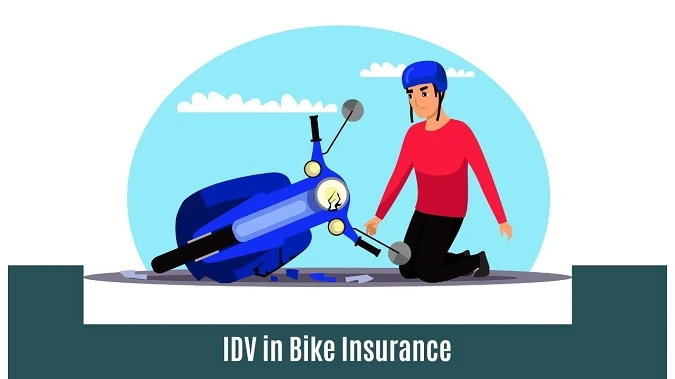

When purchasing or renewing bike insurance, you might come across the term Insured Declared Value (IDV). It is one of the most critical components in two-wheeler insurance, directly affecting your premium and claim amount. If you're wondering what IDV in bike insurance means and why it matters, this blog will break it down in simple terms.
What is IDV in Bike Insurance?
IDV in bike insurance refers to the maximum amount your insurance provider will pay in case your bike is stolen or damaged beyond repair. In simpler terms, it is the current market value of your bike, adjusted for depreciation.
For example:
- If your bike’s market value is ₹50,000 and it suffers total loss or theft, your insurer will compensate you up to the IDV amount.
- Depreciation reduces this value over time, meaning older bikes typically have a lower IDV than newer ones.
The IDV is calculated based on the manufacturer’s listed selling price, minus the depreciation based on the bike’s age. Accessories or modifications added to the bike can also affect its IDV.
Why Does IDV Matter in Bike Insurance?
Understanding IDV in bike insurance is crucial for several reasons:
1. Determines Your Insurance Premium
The higher the IDV, the higher your premium will be. This is because the insurer’s financial risk increases with a higher insured value. Conversely, a lower IDV reduces the premium but also limits the compensation you can claim.
2. Affects Your Claim Settlement
In case of total loss or theft, your compensation depends on the declared IDV. If you opt for a lower IDV to save on premiums, you risk receiving insufficient compensation when you need it the most.
3. Reflects Your Bike’s Market Value
IDV provides a realistic assessment of your bike’s worth. It ensures you’re neither underinsured nor overpaying for coverage. This is especially important when renewing your policy, as you can adjust the IDV based on your bike’s current condition and market value.
4. Impacts Policy Decisions
Choosing the right IDV helps strike a balance between affordable premiums and adequate coverage. For instance, if your bike is relatively new, opting for a higher IDV might be wiser. On the other hand, for an older bike, reducing the IDV could make more sense.
How is IDV in Bike Insurance Calculated?
Calculating the IDV involves a straightforward formula:
IDV = Manufacturer’s Selling Price - Depreciation
Here is a general depreciation table used to calculate IDV:
Bike Age Depreciation Rate
Less than 6 months 5%
6 months to 1 year 15%
1 to 2 years 20%
2 to 3 years 30%
3 to 4 years 40%
4 to 5 years 50%
For bikes older than five years, the IDV is determined through mutual agreement between the insurer and the policyholder, often considering the bike’s condition and resale value.
Choosing the Right IDV for Your Bike
High IDV: Pros and Cons
- Pros: Provides maximum compensation in case of total loss or theft.
- Cons: Increases your insurance premium.
Low IDV: Pros and Cons
- Pros: Reduces your premium, making the policy more affordable.
- Cons: Limits the claim amount, which might not cover the replacement cost.
When renewing your policy or buying a new one, strike a balance by selecting an IDV that aligns with your bike’s current value and your financial goals.
Common Mistakes to Avoid When Selecting IDV
- Opting for the Lowest IDV to Save Premiums While it might seem cost-effective, this approach can leave you underinsured and result in inadequate compensation.
- Overestimating Your Bike’s Value Choosing an IDV higher than your bike’s actual market value leads to inflated premiums without added benefits.
- Ignoring Depreciation Always consider your bike’s age and depreciation while evaluating the IDV. This ensures a fair balance between coverage and premium costs.
Why Should You Care About IDV in Bike Insurance?
Ignoring the IDV can lead to unpleasant surprises during claim settlement. For instance, if you’ve set an unrealistically low IDV to save money, you might not receive enough compensation to replace your bike. On the other hand, unnecessarily high IDV results in overpaying premiums without any real advantage.
Whether you’re insuring a new or used bike, understanding and choosing the correct IDV ensures peace of mind, financial protection, and value for your money.
Final Thoughts
IDV in bike insurance is not just a technical term; it’s the backbone of your policy. It affects everything from your premium to the compensation you receive. Always evaluate your bike’s market value and depreciation to set an appropriate IDV. This not only ensures adequate coverage but also avoids unnecessary financial strain.
If you’re looking for reliable two-wheeler insurance with flexible IDV options, consider exploring ICICI Lombard Two Wheeler Insurance for comprehensive coverage and excellent claim settlement services.
FAQs on IDV in Bike Insurance
1. Can I change the IDV during policy renewal?
Yes, most insurers allow you to adjust the IDV at the time of renewal to reflect the current market value of your bike.
2. Does IDV affect third-party insurance?
No, IDV is applicable only for comprehensive and own-damage policies, not third-party insurance.
3. What happens if I choose an incorrect IDV?
Choosing a very low IDV can lead to insufficient compensation, while a very high IDV increases your premium unnecessarily.
4. Is IDV fixed for the entire policy period?
Yes, once you choose the IDV at the time of policy issuance, it remains fixed for the policy term. You can revise it during renewal.
5. Does IDV include the value of accessories?
Yes, the IDV can include the value of accessories added to the bike, provided they are declared while purchasing or renewing the policy.

























Sign in to leave a comment.