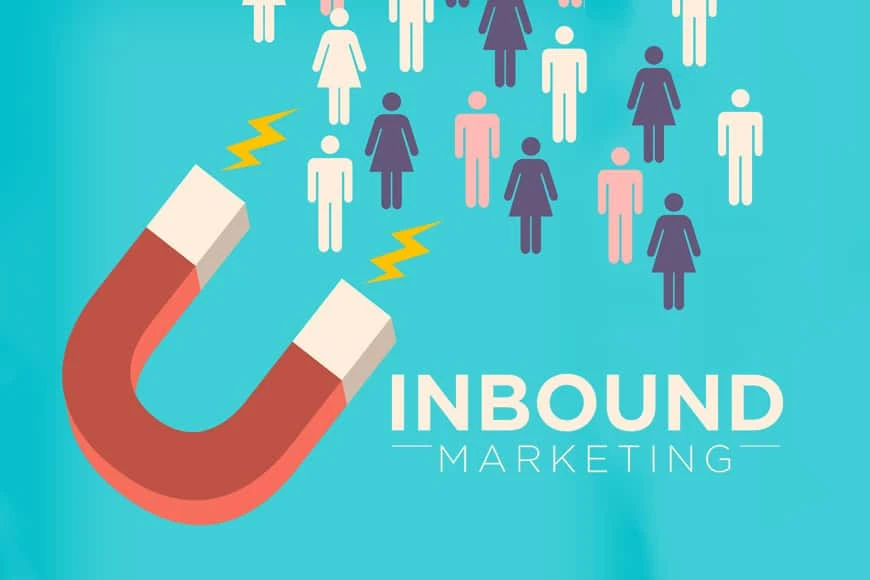

A strong marketing strategy is the backbone of growth for any kind of business, today. There are a variety of avenues and marketing methods employed by businesses. So, deciding which one is the best for your company can put you in a bit of a pickle. However, in recent times, internet marketing has become a priority in many companies. The internet has become freely available for people. Businesses have also realized that only TV ads and hoarding are not going to do the job. Inbound marketing is the way to go. Advertising budgets have moved from next to no budget in the past years to a major chunk of money allocated to inbound marketing. In other words, the efforts by companies to employ inbound strategies have been quite evident. Apart from traditional advertising, agencies have also realized what inbound marketing is. They have formed differentiated departments that have expertise in inbound strategies. Through this article, we try to understand what inbound marketing strategy means for a business. We also understand why any marketeer today needs to be informed about it. There are many ways to look at inbound marketing. But the simplified meaning is that it helps your target audience with content that they are actively looking for. In other words, it's not putting content on their face. Inbound marketing is a marketing strategy that is designed to target and attract an audience. However, it is not pushing the brand towards the customer but pulling them. Inbound is customized and tailored to what the customer wants. For example — using inbound marketing and seo, you can rank an affiliate blog about the top 10 automatic sanitiser machines on amazon to the top of the page. Now, once a searcher, looking for an automatic sanitiser machine, lands on your blog page from the search results, it's happening via inbound marketing practice. This is an inbound methodology. From SEO to social media campaigns, Webinars, Ebooks and more, you tailor your content and marketing strategies based on the audience. Just like any marketing tactic, an inbound marketing strategy is also streamlined with fundamentals. These define the various activities and approaches a marketer can employ to lead a prospect from visitor to customer. Stranger — This is an early stage where your target audience is unaware of your business or its offerings. So, using an inbound methodology, you can ATTRACT your audience towards your product. Search engine optimization, blog, and social media posts are some examples of how you can begin to optimize your content and online presence to build brand awareness. Visitor — Once your plans begin to work and your target audience becomes more aware of your business, they start to land on your page. For example, if your blog is unique, friendly, topical and seo friendly, there are good chances that it ranks well on SERP, and a prospect clicks on it to visit your website. Once the prospect is on your website, it is now a Visitor. Here you move from attracting them to CONVERSION. If they land on your blog, you can ask them to sign up for your newsletter or you can also divert them to your desired product page. In other words, here you use Call To Action to entice your visitor to complete a set goal. Leads — If a visitor fills a form and subscribes to your newsletter, he completes a goal that makes him a lead for your business. You can use the details provided by the lead to target them with personalized content. Customer — A lead can further turn to a customer if they successfully buy from you. For example — if the visitor lands on your top 5 hair routine tips, click on a product that you sell mentioned in the blog and buys it, he becomes a customer. It is not often that people convert in one visit. So, various practices like social nurturing and email marketing can be employed to pull them to buy. Promoters — based on their experience, customers then recommend others. During this time, as a business, you can use the customer DELIGHT strategy and use feedback forms. There are several reasons a business should adapt to inbound marketing. The primary advantages of inbound marketing are that it's targeted. It is also tailored to customer needs. Using Inbound marketing companies can receive real-time analytical data. This helps to build and improve inbound marketing strategies for businesses. Inbound marketing pulls the customer towards the brand rather than the brand pushing itself onto the customer. Using inbound marketing, you can ATTRACT a potential visitor on your website, blog and webinar, among others. ENGAGE prospects and customers with content tailored to their requirements. Finally, DELIGHT your existing customer or subscriber base with email marketing campaigns, feedback forms and more. Because inbound marketing is not forced the conversion rate is higher. Your inbound marketing efforts can be categorized into three aspects. ATTRACT, ENGAGE AND DELIGHT. We have been highlighting it throughout the article. Why? Because they are what makes any inbound marketing strategy successful. ATTRACT — This is an initial stage. Here you can use videos, blogs and social media posts to establish your brand into a target market. For example — you run an e-commerce shoe store. So, all your online efforts are designed to attract an audience that is interested in buying sneakers. Here, using inbound marketing and seo, you have to build authority on search engines. You use social media to expand your reach. And use tools like Facebook Analytics, Google Search Console and Google Analytics, to measure your progress. ENGAGE — While some like to read, others love a quirky video. A company's content strategy and inbound methodology should be tailored to its customer. Using chatbots and emails, you can communicate and engage your prospect to understand their needs. DELIGHT — It involves getting feedback on your product from the client or helping them with accurate information. At the Delight stage, your efforts are towards helping your customer with the best experience to expand word of mouth. Social media marketing tools like Hootsuite. SEMrush for SEO. And CRM software like HubSpot and Mailjet. You can integrate your business with several tools to monitor, and build on your inbound marketing strategy. If you are a small business with a limited budget, inbound marketing should be the first marketing priority. From a marketing student to a business owner, everyone needs to understand what inbound marketing is and its significance for a business in 2021. What is Inbound Marketing?
The five fundamentals of inbound marketing
What is the purpose of inbound marketing?
How Does Inbound Marketing Work?









Sign in to leave a comment.