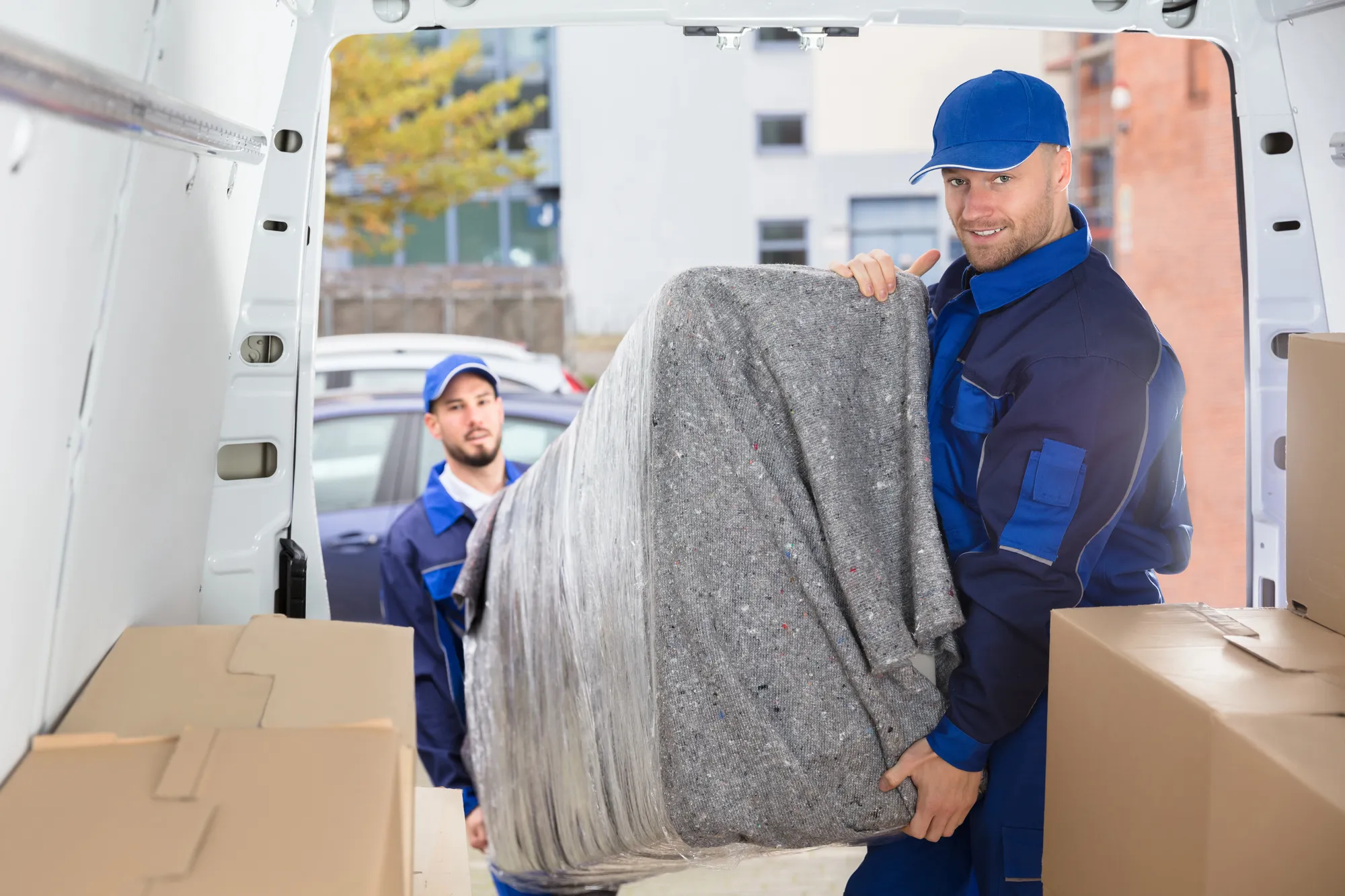

You sold the couch. The customer is excited. The payment went through. So why does it feel like the hard part is still ahead?
For furniture retailers, it usually is. Getting the right piece from your showroom or warehouse to the right customer's home, without damage, without delays, and without a flood of complaints, is where a lot of businesses quietly struggle. This is the world of last-mile furniture delivery, and if you are running a furniture retail operation in Australia, understanding it properly could be one of the most important things you do for your business this year.
So What Exactly Is Last-Mile Delivery?
Last-mile delivery refers to the final leg of the supply chain. It is the movement of goods from a distribution point, whether that is a warehouse, a storage facility, or your own retail floor, to the end customer's home or premises.
The term "last mile" is a bit misleading because this final leg is rarely just a mile. In a city like Melbourne, it could be a delivery from a warehouse in Campbellfield to a customer in Frankston, or from a showroom in the CBD to a home in Geelong. The distance is not the point. What defines last-mile delivery is that it is the final, customer-facing step. And because it is customer-facing, it carries the most weight in terms of how people feel about your brand after the purchase.
For furniture specifically, this final step is more complex than it sounds. You are not shipping a book or a pair of shoes. You are moving large, heavy, often fragile items that need to be handled with care, carried into someone's home, placed in a specific room, and sometimes assembled. That complexity is what separates furniture last-mile logistics from standard parcel delivery.
Why Retailers Cannot Afford to Overlook It
Here is something most furniture businesses do not fully account for until it becomes a problem. Customers do not separate the delivery from the product. In their mind, if the delivery was bad, the purchase was bad. If the couch arrived scratched, if the delivery team showed up three hours late, or if nobody called ahead with an ETA, that is a one-star review that talks about your store, not your courier.
The numbers back this up. Research consistently shows that a poor delivery experience is one of the top reasons customers do not return to a retailer, even when they were happy with the product itself. In furniture retail, where the average order value is high and word-of-mouth referrals matter enormously, one failed delivery can cost you three future sales.
This is why last-mile furniture delivery is not a logistics problem. It is a retail problem. And it deserves to be treated as one.
What Good Last-Mile Furniture Delivery Actually Looks Like
There is a meaningful gap between a logistics company that will move your furniture and a genuine last-mile delivery partner for furniture retailers. The difference shows up in the details.
A real last-mile solution for furniture retail includes scheduled delivery windows that customers can plan their day around. It includes a team that carries the item to the right room, not just to the front door. It includes packaging removal so the customer is not left wrestling with cardboard. It includes proof of delivery and GPS tracking so the retailer has visibility and accountability at every step. And it includes the kind of communication, pre-delivery calls or messages, that make customers feel looked after rather than forgotten.
The team at Move My Stuff, who have been running last-mile furniture deliveries across Melbourne and Victoria since 2008, describe it well: "The delivery is not the end of the sale. For the customer, it is the most memorable part of the whole experience. If you get it right, they remember you. If you get it wrong, they also remember you."
That framing matters. It reframes last-mile delivery from a cost centre into a customer retention tool.
The Operational Case for Outsourcing Last-Mile Delivery
Many furniture retailers start out handling deliveries themselves. A van, a couple of staff, a basic schedule. It works at low volume. But as the business grows, the cracks appear fast.
Coordinating delivery windows, managing customer calls, dealing with failed attempts, tracking multiple vehicles across multiple suburbs and handling the inevitable exceptions, all of this starts consuming time and headspace that should be going towards product, sales, and growth.
Specialist last-mile logistics providers exist precisely to absorb this operational load. They bring the fleet, the systems, the trained staff, and the processes that it would take a retailer years and significant capital to build themselves. For businesses delivering into regional Victoria or managing regular runs across multiple Melbourne suburbs, the efficiency gains are substantial.
There is also a cost argument that catches many retailers by surprise. Running your own delivery operation carries hidden costs that are easy to underestimate: vehicle maintenance, insurance, staff time, failed delivery reattempts, and the admin overhead of scheduling. A specialist partner, particularly one that offers run-based pricing, often works out cheaper once you account for everything.
What Retailers Should Be Asking Their Delivery Partner
If you are currently evaluating last-mile delivery options, or reassessing your current setup, a few questions cut straight to what matters.
Can they accommodate early morning or weekend deliveries? Do they offer GPS tracked vehicles and digital proof of delivery? Can they handle furniture assembly and packaging removal on-site? Do they have coverage across your full customer geography, including regional areas? And can they scale with your business during peak periods without the service quality dropping?
The answers to those questions will tell you quickly whether you are talking to a general courier or a genuine furniture logistics partner.
Conclusion:
Last-mile furniture delivery is the part of your business that your customers experience most personally. It is also the part that most retailers underinvest in until something goes wrong.
Getting it right is not about finding the cheapest way to move items from A to B. It is about choosing a delivery experience that reflects the same care and quality you put into your products. Because your customers will judge both, and they will talk about whichever one lets them down.






















Sign in to leave a comment.