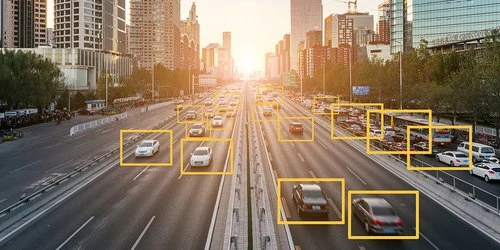

Automatic License Plate Recognition is a technology that uses Optical Character Recognition (OCR) and machine learning algorithms to read and interpret license plates on vehicles. This technology has gained popularity in recent years thanks to its ability to improve accuracy, efficiency, and security in various applications.
Technology Behind LPR
Automatic Number Plate Recognition (ANLR) technology relies on several components, including cameras, image processing software, and machine learning algorithms. The cameras capture images of license plates, which are then processed using image enhancement techniques to improve readability. OCR software is then used to extract the license plate number and convert it into a digital format. The digital data is then analyzed using machine learning algorithms to identify the vehicle and its owner and determine whether the vehicle meets specific criteria, such as parking permissions or access rights. Today, LPR systems can read license plates with high accuracy, even in challenging conditions such as low light, adverse weather, or high speed.
Applications of LPR
LPR technology has various applications in modern-day security and surveillance, including:
Law enforcement and traffic management:LPR can help law enforcement agencies identify and track vehicles involved in criminal activities, such as theft, hit-and-run accidents, and drug trafficking. It can also help traffic management authorities monitor and control traffic flow, reduce congestion, and improve road safety.Parking management and access control: Parking management companies automate the parking process, reduce labor costs, and improve customer experience using LPR. It can also provide access control to secure parking areas, such as garages and lots, and enforce parking regulations, such as time limits and permit requirements.Toll collection and fare management:LPR can help toll collection agencies automate the toll collection process, reduce traffic congestion, and improve revenue collection. It can also help fare management systems in public transportation systems, such as buses and trains, automate the fare collection process and improve passenger flow.Fleet management and vehicle tracking: Fleet management companies can use LPR to track and monitor their vehicles and reduce fuel consumption using LPR. It can also provide valuable insights into vehicle usage, such as mileage, speed, and location.Security and surveillance: It can be used by security and surveillance teams to identify and track suspicious vehicles, improve perimeter security, and detect and prevent unauthorized access. It can also provide valuable data for forensic analysis and incident investigation.
Benefits of LPR
LPR technology offers several benefits, including:
Improved accuracy and efficiency:LPR can read license plates with high accuracy and speed, reducing errors and improving efficiency in various applications.Increased security and surveillance:LPR can help law enforcement and security agencies detect and prevent criminal activities, improve public safety, and protect critical infrastructure.Enhanced traffic management and parking management: LPR can help traffic management authorities reduce congestion, improve road safety, and automate the parking process.Streamlined operations and reduced costs:LPR can help fleet management companies reduce fuel consumption, improve operational efficiency, and reduce labor costs.
Best Practices for Implementing LPR
To ensure the successful implementation of automatic license plate recognition technology, organizations should follow these steps:
Choosing the right LPR system:You should choose an LPR system that meets their specific needs and requirements, considering factors such as accuracy, speed, durability, and cost.Ensuring compliance with legal and ethical guidelines:They should also ensure that their LPR systems comply with all relevant legal and ethical guidelines, such as data privacy laws, license plate data retention policies, and public notification requirements.Training staff and users:Organizations should train staff and users on the use and maintenance of the LPR system and on the relevant legal and ethical guidelines.Maintaining and updating the system: LPRs should be maintained and updated regularly, ensuring that they are in good working order and up-to-date with the latest software and hardware upgrades.Protecting privacy and data security:Organizations should protect the privacy and data security of license plate data, ensuring that it is stored securely and that access is limited to authorized personnel only.
Conclusion
Automatic number plate recognition technology has gained significant popularity in recent years thanks to its ability to improve accuracy, efficiency, and security in various applications. LPR technology relies on optical character recognition and machine learning algorithms to read and interpret license plates on vehicles. Thanks to advancements in machine learning, computer vision, and image processing techniques, the future of LPR technology looks promising.










Sign in to leave a comment.