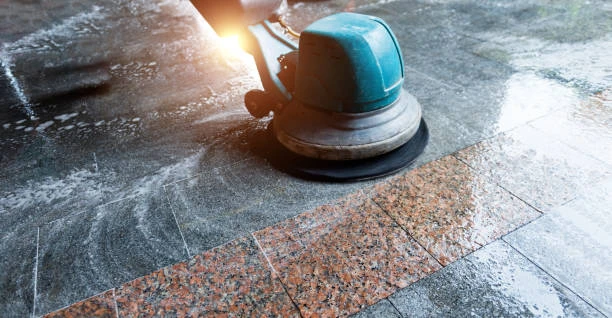
Marble has been a symbol of luxury and elegance for centuries, adorning everything from palaces to modern homes. However, over time, marble surfaces can lose their shine due to foot traffic, stains, and environmental factors. Marble polishing is the key to restoring its natural beauty and maintaining its durability.
Understanding Marble and Its Maintenance Needs
Marble is a natural stone composed primarily of calcium carbonate, making it highly porous and susceptible to scratches, stains, and etching. While marble is durable, it requires regular care to maintain its glossy appearance. Marble polishing is an essential process that helps in restoring its shine and enhancing its longevity.
Why Does Marble Lose Its Shine?
- Wear and Tear — Daily foot traffic can dull the surface.
- Spills and Stains — Acidic substances like vinegar, lemon juice, and coffee can cause etching.
- Scratches and Scuff Marks — Furniture, shoes, and debris can leave scratches.
- Moisture Exposure — Water seepage can lead to discoloration and mold growth.
- Improper Cleaning Methods — Using harsh chemicals or abrasive scrubbers can damage the surface.
What is Marble Polishing?
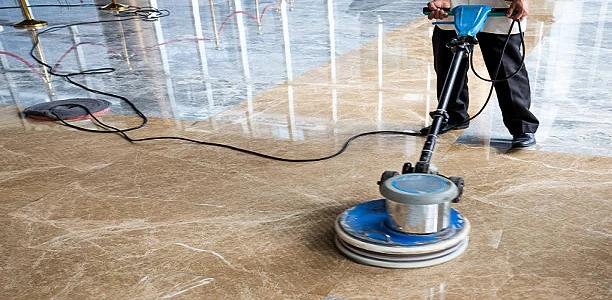
Marble polishing is the process of restoring the shine of marble surfaces by removing scratches, stains, and dullness. This is achieved through various techniques such as grinding, honing, and buffing, often using specialized equipment and products.
Benefits of Marble Polishing
- Restores Natural Shine — Revives the original luster of marble surfaces.
- Removes Scratches & Stains — Eliminates surface imperfections.
- Increases Durability — Prevents further damage and extends the lifespan of marble.
- Enhances Aesthetic Appeal — Gives floors and countertops a luxurious finish.
- Prevents Bacterial Growth — A smooth surface reduces dirt accumulation.
Techniques Used in Marble Polishing
1. Grinding (Lippage Removal)
- Used to level uneven surfaces.
- Heavy-duty machines with diamond abrasives remove deep scratches and stains.
- Ideal for restoring extremely damaged marble floors.
2. Honing
- Uses fine abrasives to smooth the surface.
- Removes minor scratches and light stains.
- Prepares the surface for final polishing.
3. Polishing
- Achieved using diamond polishing pads and special polishing powders.
- Enhances the gloss and shine of the marble.
4. Crystallization (Recrystallization)
- Involves a chemical reaction between marble and a crystallization agent.
- Provides a glossy finish and strengthens the surface.
- Commonly used in commercial spaces.
5. Sealing
- A protective sealant is applied to prevent stains and water damage.
- Essential for maintaining polished marble surfaces.
DIY vs. Professional Marble Polishing
DIY Marble Polishing
Many homeowners attempt to polish marble using household products. While small touch-ups are possible, professional polishing is recommended for significant restoration.
Pros:
- Cost-effective for minor polishing.
- Readily available products like baking soda and vinegar can be used (with caution).
Cons:
- Risk of damaging the marble with incorrect techniques.
- Ineffective for deep scratches and heavy stains.
Professional Marble Polishing
Hiring professionals ensures thorough and lasting results.
Pros:
- Uses advanced equipment and high-quality polishing compounds.
- Removes deep scratches and stains effectively.
- Longer-lasting shine and durability.
Cons:
- Higher initial cost compared to DIY.
- Requires scheduling and coordination with service providers.
Choosing the Right Marble Polishing Service
When selecting a professional marble polishing service, consider the following factors:
- Experience & Expertise — Look for companies specializing in marble restoration.
- Customer Reviews & Testimonials — Check online ratings and reviews.
- Use of Advanced Techniques — Ensure they use modern polishing equipment.
- Pricing & Service Packages — Compare costs and inclusions.
- Eco-Friendly Products — Prefer companies using non-toxic, sustainable materials.
Conclusion
Marble polishing is an essential process for maintaining the beauty and longevity of marble surfaces. Whether you opt for DIY polishing for minor touch-ups or hire professionals for a complete restoration, regular maintenance is crucial. By following the right cleaning practices and scheduling periodic professional services, you can keep your marble floors and countertops looking elegant for years to come.
For those looking for professional marble polishing services, ensure you choose a reputable provider to achieve the best results. Investing in regular polishing not only enhances the aesthetics of your home but also adds value to your property.


























Sign in to leave a comment.