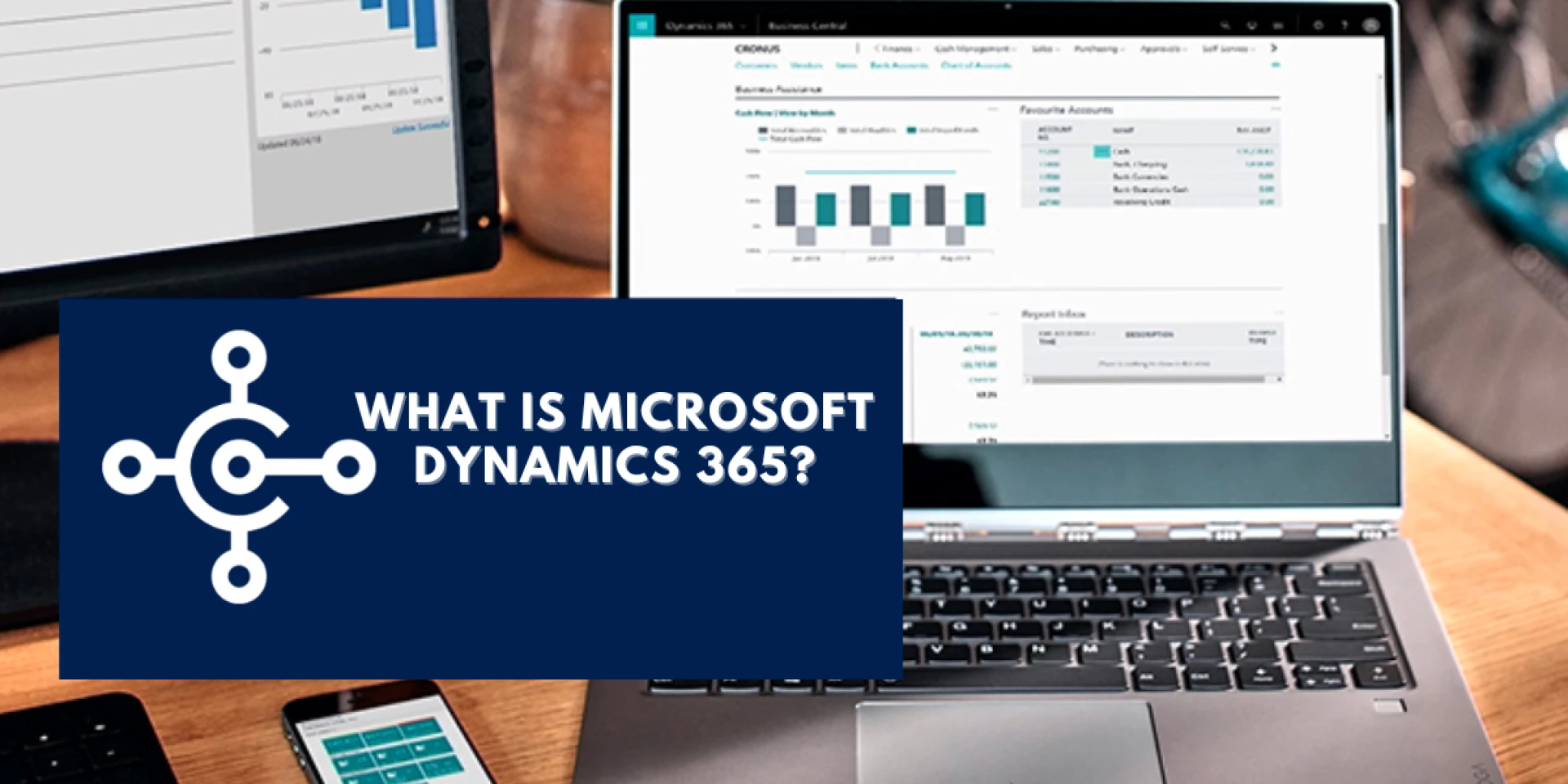

In the ever-evolving landscape of business technology, Microsoft Dynamics 365 stands as a powerful suite of applications designed to empower organizations with the tools they need to streamline operations, enhance customer relationships, and drive growth. In this article, we'll take an in-depth look at what Microsoft Dynamics 365 is, its core components, and how it can benefit businesses of all sizes.
Understanding Microsoft Dynamics 365
Microsoft Dynamics 365 is a comprehensive suite of cloud-based business applications developed by Microsoft. It integrates a wide range of functionalities, from customer relationship management (CRM) to enterprise resource planning (ERP), under one unified platform. This integration provides businesses with a holistic view of their operations, enabling them to make data-driven decisions and achieve greater efficiency.
The Key Components
To grasp the full scope of Microsoft Dynamics 365, let's break down its key components:
1. Dynamics 365 for Sales (CRM)
Dynamics 365 for Sales focuses on optimizing the sales process. It helps organizations manage leads, opportunities, and customer interactions more effectively, ultimately driving revenue growth.
2. Dynamics 365 for Customer Service (CRM)
This component is dedicated to improving customer support and engagement. It allows businesses to provide exceptional service by tracking and resolving customer issues promptly.
3. Dynamics 365 for Marketing (CRM)
Marketing teams benefit from this tool as it enables them to create and execute targeted marketing campaigns, nurture leads, and measure campaign performance.
4. Dynamics 365 for Field Service (CRM)
For businesses with field service operations, this component aids in optimizing scheduling, resource allocation, and customer satisfaction by ensuring timely service delivery.
5. Dynamics 365 for Finance and Operations (ERP)
This is the ERP arm of Dynamics 365, focusing on financial management, supply chain, and manufacturing processes. It helps organizations streamline their operations and make informed financial decisions.
6. Dynamics 365 for Talent (HR)
Dynamics 365 for Talent assists in talent acquisition, onboarding, and employee management. It simplifies HR processes, ensuring a smooth employee lifecycle.
7. Dynamics 365 for Commerce (ERP)
For businesses in the retail and e-commerce sectors, this component offers tools for managing online and offline sales channels, enhancing customer experiences, and optimizing inventory.
8. Dynamics 365 for Project Service Automation (CRM)
Project-based organizations benefit from this tool, which aids in project planning, resource allocation, and project management.
Benefits of Microsoft Dynamics 365
Now that we've explored the core components, let's delve into the benefits of implementing Microsoft Dynamics 365:
Enhanced Productivity
With all business functions integrated into a single platform, employees can access the information they need without switching between applications, resulting in increased productivity.
Data-Driven Decision-Making
Dynamics 365 provides real-time insights and analytics, enabling organizations to make data-driven decisions, identify trends, and respond quickly to market changes.
Improved Customer Engagement
The CRM components of Dynamics 365 empower businesses to provide personalized customer experiences, build stronger relationships, and drive customer loyalty.
Scalability
Microsoft Dynamics 365 is scalable, making it suitable for businesses of all sizes. Whether you're a small startup or a multinational corporation, you can tailor the suite to meet your specific needs.
Conclusion
In conclusion, Microsoft Dynamics 365 is a versatile and powerful solution that can transform the way businesses operate. By integrating CRM and ERP functions, it streamlines processes, boosts productivity, and enhances customer engagement. Whether you're in sales, marketing, finance, HR, or any other department, Microsoft Dynamics 365 has something to offer.
Frequently Asked Questions
1. Is Microsoft Dynamics 365 suitable for small businesses?
Yes, Microsoft Dynamics 365 is scalable and can be tailored to the needs of small businesses, making it a suitable choice for startups and SMEs.
2. How does Dynamics 365 for Sales benefit sales teams?
Dynamics 365 for Sales helps sales teams manage leads, opportunities, and customer interactions more effectively, leading to increased revenue.
3. Can I use Dynamics 365 for Marketing to track the performance of my marketing campaigns?
Yes, Dynamics 365 for Marketing allows you to create, execute, and measure the performance of your marketing campaigns.
4. Is Dynamics 365 for Finance and Operations suitable for manufacturing companies?
Absolutely, Dynamics 365 for Finance and Operations includes features tailored to manufacturing processes, making it ideal for manufacturing companies.
5. How can I get access to Microsoft Dynamics 365?
Implementing Microsoft Dynamics 365 can revolutionize the way your business operates, driving growth and efficiency across all facets of your organization. Explore its capabilities and see how it can propel your business to new heights.









Sign in to leave a comment.