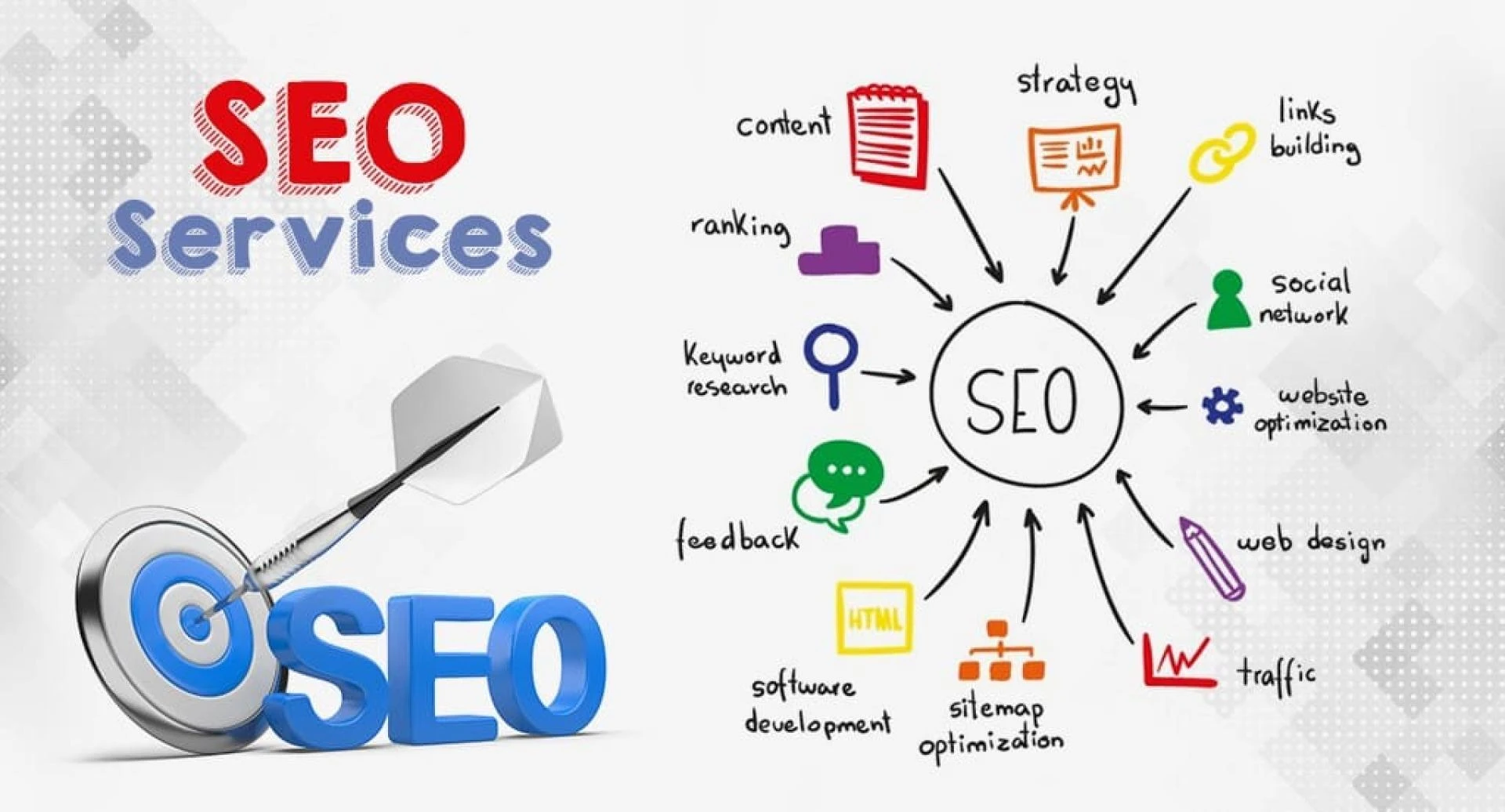

Multilingual SEO is the process of optimizing your website so that it can be easily found and understood by users who speak different languages. This is crucial for organizations that want to reach a global audience and expand their online presence. In this article, we will explore why multilingual SEO is important for your organization and how you can effectively implement it.
The Importance of Multilingual SEO
Reach a Wider Audience
One of the main reasons why multilingual SEO is important for your organization is that it allows you to reach a wider audience. By optimizing your website for different languages, you can attract more visitors from around the world and increase your online visibility.
Improve User Experience
When users can access your website in their preferred language, they are more likely to stay on your site and engage with your content. This can lead to higher conversion rates and increased customer satisfaction.
Boost Search Engine Rankings
Implementing multilingual SEO strategies can also help improve your search engine rankings in different language markets. By using relevant keywords and creating high-quality content in multiple languages, you can increase your chances of appearing on the first page of search results.
Build Trust and Credibility
Having a multilingual website shows your audience that you are a reputable and trustworthy organization that values diversity and inclusivity. This can help build trust with your international customers and establish your brand as a global leader in your industry.
How to Implement Multilingual SEO
Conduct Keyword Research
Before optimizing your website for different languages, it is important to conduct keyword research in each target language. Identify relevant keywords that your audience is searching for and incorporate them into your content and meta tags.
Create Multilingual Content
Developing high-quality, culturally relevant content in multiple languages is essential for successful multilingual SEO. Make sure to translate your content accurately and consider hiring native speakers or professional translators to ensure linguistic and cultural accuracy.
Use hreflang Tags
Hreflang tags are HTML attributes that tell search engines which language and country a specific page is targeted at. Implementing hreflang tags on your website can help search engines deliver the correct language version of your content to users in different regions.
Optimizing Meta Tags
Optimizing your meta tags, including title tags and meta descriptions, in multiple languages can help improve your click-through rates and overall SEO performance. Make sure to include relevant keywords and compelling calls to action in each language version.
Monitor and Analyze Performance
Once you have implemented multilingual SEO strategies, it is important to monitor and analyze your website's performance in different language markets. Use tools like Google Analytics to track key metrics such as traffic, engagement, and conversion rates, and make adjustments as needed to improve your results.
Conclusion:
Multilingual SEO is a critical component of any organization's digital marketing strategy. By optimizing your website for different languages, you can reach a wider audience, improve user experience, boost search engine rankings, and build trust with international customers. By following the tips outlined in this article, you can effectively implement multilingual SEO and take your organization's online presence to the next level.











Sign in to leave a comment.