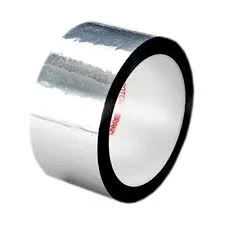

Introduction:
Mylar tape, also known as polyester tape or PET tape, is a versatile adhesive tape that is widely used in various industries for its excellent thermal, electrical, and mechanical properties. It is made from a polyester film called Mylar, which is a registered trademark of DuPont Teijin Films. This durable and flexible tape finds applications in industries such as electronics, automotive, aerospace, packaging, and more. In this comprehensive article, we will explore the properties of Mylar tape, its manufacturing process, and its diverse range of applications in different industries.
Properties of Mylar Tape:
Mylar tape possesses several desirable properties that make it suitable for a wide range of applications. Some of the key properties of Mylar tape include:
High tensile strength: Mylar tape exhibits excellent tensile strength, making it resistant to tearing or breaking under stress. This property allows it to withstand rigorous conditions in various applications.
Thermal stability: Mylar tape has high thermal stability, enabling it to withstand temperature extremes. It can resist temperatures ranging from -70°C to 150°C, depending on the specific formulation.
Electrical insulation: Due to its polyester film composition, Mylar tape provides excellent electrical insulation properties. It has a high dielectric strength, making it suitable for applications where electrical insulation is critical.
Chemical resistance: Mylar tape is resistant to many chemicals, including solvents, oils, and most common acids and alkalis. This property makes it suitable for applications where exposure to various chemicals is expected.
Manufacturing Process of Mylar Tape:
The manufacturing process of Mylar tape involves several steps. Here is a brief overview of the typical process:
Film preparation: The process starts with the preparation of the polyester film. The Mylar film is manufactured by extruding molten polyester through a slot die onto a chilled casting drum. The film is then stretched longitudinally and transversely to orient the polyester molecules and improve the film's mechanical properties.
Coating: The polyester film is coated with a thin layer of adhesive material on one or both sides. The adhesive layer is typically made of acrylic, silicone, or rubber-based materials, depending on the intended application.
Drying: After coating, the adhesive layer is dried in an oven to remove any solvents and ensure proper bonding.
Slitting: The coated film is then slit into narrow strips of desired widths, resulting in individual rolls of Mylar tape.
Applications of Mylar Tape:
Mylar tape finds applications in a wide range of industries due to its versatile properties. Here are some of its major applications:
Electronics industry: Mylar tape is extensively used in the electronics industry for circuit board assembly, wire harnessing, and component insulation. Its electrical insulation properties and high temperature resistance make it suitable for these applications.
Automotive industry: Mylar tape plays a crucial role in the automotive industry for applications such as wire harnessing, splicing, and general-purpose bonding. Its high tensile strength and resistance to temperature and chemicals make it ideal for these demanding automotive applications.
Aerospace industry: In the aerospace industry, Mylar tape is used for applications like wire bundling, insulation, and thermal shielding. Its lightweight nature, combined with its thermal stability and electrical insulation properties, makes it suitable for use in aircraft and spacecraft.
Packaging industry: Mylar tape is widely used in the packaging industry for sealing boxes, cartons, and other packaging materials. Its strong adhesive properties and resistance to moisture and chemicals ensure secure and durable sealing.
Medical industry: mylar tape finds applications in the medical industry for device assembly, wound dressings, and surgical drapes. Its hypoallergenic nature, flexibility, and easy removal without residue make it suitable for medical use.
Conclusion:
Mylar tape, with its exceptional properties and versatility, has become an essential adhesive tape in various industries. From electronics to automotive, aerospace to packaging, and medical applications, Mylar tape serves a wide range of purposes. Its thermal stability, electrical insulation, high tensile strength, and chemical resistance make it an ideal choice for many demanding applications. As industries continue to advance and evolve, Mylar tape will likely find even more innovative uses, contributing to the growth and development of various sectors across the globe.
Sign in to leave a comment.