
The National Disability Insurance Scheme (NDIS) assists people with disabilities, as well as their spouses and caregiver. It is jointly managed and funded by the Australian government and the governments of the participating states and regions.
The NDIS also has a greater role to play in assisting disabled individuals to:
Leverage community resources such as sports clubs and libraries
Keep in touch with informal sources of support, such as family and friends.
-The NDIS's goals and guiding principles:
The National Disability Insurance Scheme Act of 2013 established the NDIS (NDIS Act). The NDIS Rules are the impact of implementation established under the NDIS Act that governs the NDIS's operations.
The NDIS Act establishes a set of goals for the programs such as:
Promoting disabled people's freedom and social and economic participation enables persons with disabilities.
Enabling persons with disabilities to exercise choice and control in the pursuit of their goals.
Planning and delivery of their support by providing reasonable and necessary services, including early intervention supports.
Encouraging the provision of high-quality and innovative support to people with disabilities.
Facilitating the establishment of a nationally standard approach to access to, planning, and funding of support for persons with disabilities
What individualized support do NDIs provide:
Education, job, social participation, independence, housing arrangements, and health and wellbeing are some of the areas where assistance may be provided by the NDIs providers. NDIs are responsible to ensure the support.
Funding for the following items could be included:
Assistance with household activities to enable the participant to manage their home environment assistance from professional personnel.
Arrangement of aids or equipment assessment, setup, and training home alteration design and building.
Mobility devices.
Alterations to the vehicle.
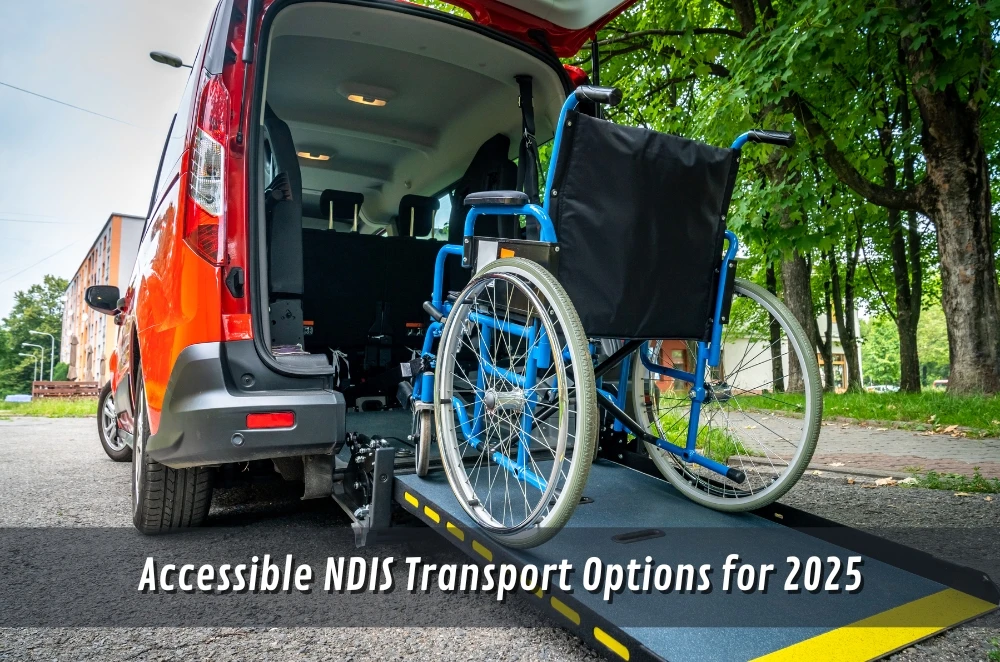
Transportation for everyday personal activities in order to participate in the community, social, economic, and daily life activities.
Workplace assistance to assist a participant in obtaining or maintaining employment in the open or subsidized labor market.
Behavioral support is one type of therapeutic help.
Who is eligible for individualized support packages?
A person must meet specific access requirements to be eligible for customized services under the NDIS. These requirements include the fact that the individual must:
Be living in a region where the NDIS is offered
Meet citizenship conditions are met (be an Australian citizen, permanent resident, or Protected Special Category Visa holder)
Fulfill the requirements for disability or early intervention
When the access request is made individual must be under the age of 65
The NDIS Code of Conduct Guidance:
If you're already working as an NDIS provider or planning to start, keep the following seven fundamental aspects in mind:
Act in line with applicable laws and treaties, respecting individual rights to freedom of expression, self-determination, and decision-making.
Disabled people's privacy should be respected
With care and expertise, provide support and services in a safe and competent manner.
Act with honesty, transparency, and integrity
Take prompt action to raise and address concerns about issues that may have an impact on the quality and safety of support and services given to disabled individuals.
Take all possible measures to prevent and respond to all forms of violence against people with disabilities, as well as their exploitation, neglect, and abuse.
Make every effort to prevent and respond to sexual misbehavior.
By maintaining professional boundaries with people with disabilities, you are expected to adhere to the highest standards of behavior. This involves preventing and responding to any inappropriate behavior directed at a disabled person by anyone.
0


























Sign in to leave a comment.