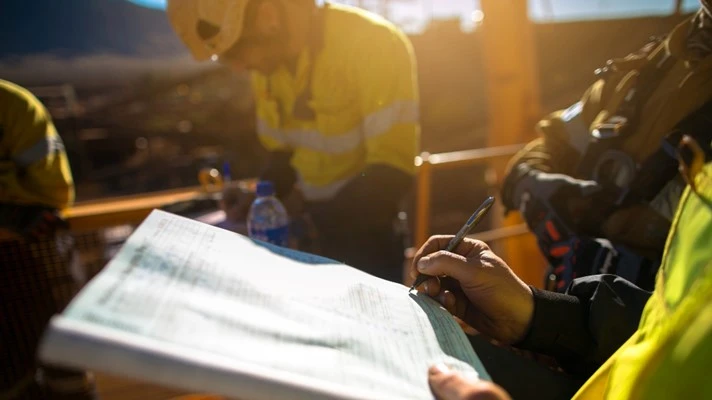

Imagine you're at work, tackling your daily tasks, when suddenly, you accidentally spill some chemicals on your skin. Yikes! That's where Occupational Health and Safety (OHS) and OHS training swoop in to save the day.
You might have heard about it, seen posters on office walls, or even participated in a training session. But what exactly is OHS training, and why is it so important? We'll break it down in this blog post.
What is Occupational Health and Safety (OHS) Training?
All workplaces have their hazards. You walk into your workplace, ready to conquer the day, only to be met with potential dangers like slippery floors, heavy machinery, or hazardous chemicals. You may work at a construction site and suddenly spot a loose cable snaking across the hallway.
Simply put, OHS refers to the measures and practices implemented to protect health, safety, and wellbeing in the workplace. It's all about creating an environment where employees can thrive, free from physical, mental, and emotional harm.
Why is OHS Training Essential?
The benefits of OHS training go far beyond just checking boxes or complying with regulations. Here are a few reasons why it is essential for every workplace:
Injury Prevention: OHS training reduces the risk of workplace injuries. It empowers individuals to identify and address potential dangers before accidents occur, keeping everyone safe and sound.Health and Wellbeing: Workplace health isn't just about physical safety; it encompasses mental, emotional, and ergonomic aspects. OHS training sheds light on these areas, teaching employees how to prioritise their wellbeing, manage stress, maintain proper posture, and create a healthier work environment overall.Compliance with Regulations: Various laws and regulations govern workplace safety, and OHS training ensures that employers and employees stay current and compliant. With this, companies can avoid penalties and protect their reputation.Boosting Productivity: A safe and healthy work environment is a productive one. Employees who feel secure and supported can focus on their tasks without worrying about potential hazards.Cost Savings: Investing in safety training can save companies significant costs in the long run. OHS training helps reduce incidents, lowering medical expenses, insurance premiums, and workers' compensation claims.What Does OHS Training Cover?
OHS training covers a wide range of topics tailored to the specific needs of different industries and job roles. Here are some common areas that OHS training typically addresses:
Hazard Identification: Learning to spot hazards is the first line of defence. OHS training provides employees with the knowledge and skills to identify potential risks in their workplace, whether it's a slippery surface, faulty equipment, or exposure to harmful substances.Risk Assessment: Understanding the risk levels associated with identified hazards is crucial. OHS training teaches employees to assess risks, determine their severity, and prioritise preventive actions accordingly.Safety Procedures and Protocols: OHS training equips employees with the necessary procedures and protocols to follow in various scenarios. These include emergency response protocols, proper use of personal protective equipment (PPE), safe handling of equipment and machinery, and guidelines for reporting incidents or near misses.Ergonomics and Wellbeing: Addressing ergonomic concerns and promoting employee wellbeing is integral in OHS training. Employees learn about proper posture, techniques for lifting heavy objects, managing stress, and maintaining a healthy work-life balance.Ongoing Education and Awareness: OHS training is not a one-time event; it's an ongoing process. Continuous education and awareness are crucial as workplaces evolve and new risks emerge. OHS training ensures employees stay updated on the latest safety practices and regulations.Remember, OHS training isn't just a checkbox on a to-do list; it's a commitment to safety and wellbeing. Whether you're an employer or an employee, embrace the power of OHS training and contribute to creating a workplace where everyone can thrive.










Sign in to leave a comment.