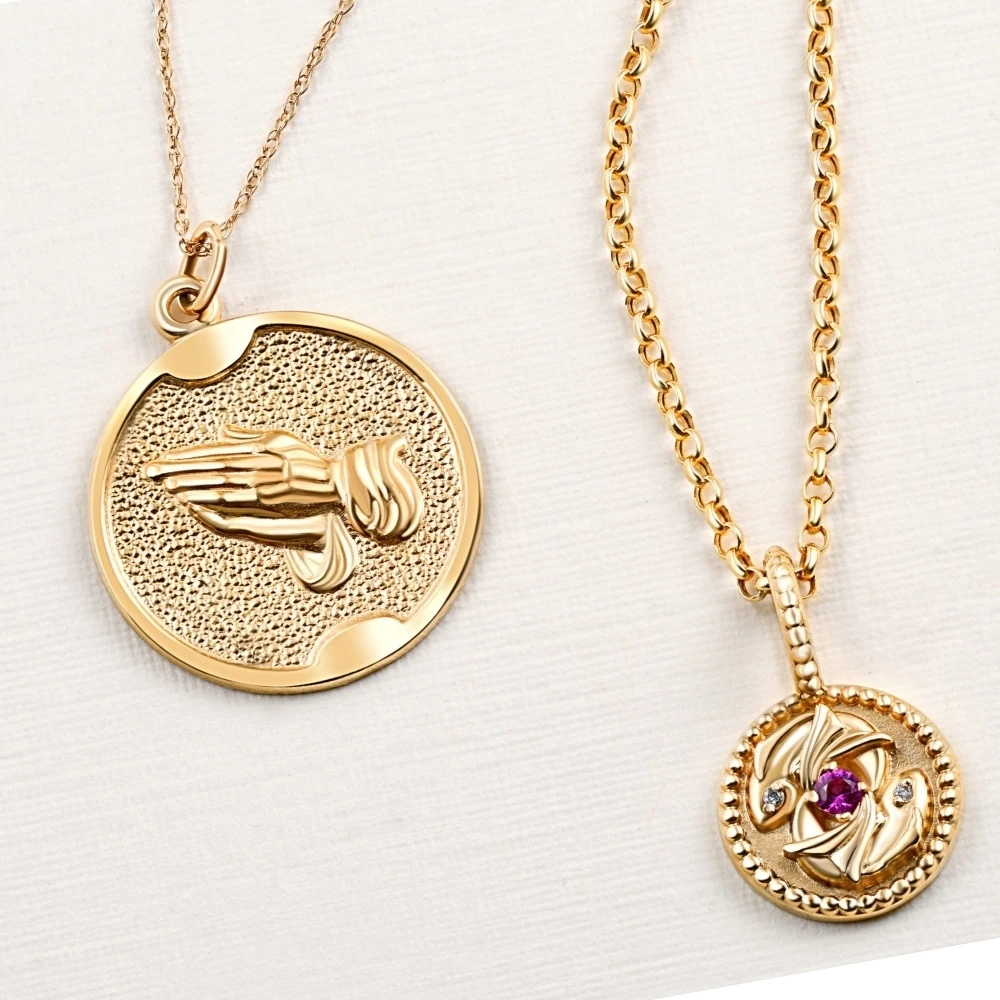
A pendant is a small decorative item that hangs from a chain, usually worn around the neck. It serves both aesthetic and symbolic purposes. Pendants come in countless designs, materials, and meanings ranging from elegant gemstones to religious symbols and keepsakes. The word "pendant" comes from the Latin pendere, which means "to hang," and this definition has remained unchanged for centuries.
While pendants are often associated with necklaces, they can also be found hanging from bracelets, keychains, earrings, and even home décor items. Their adaptability and personal appeal have made them a cherished accessory across cultures and generations. Explore more about "What Is Pendant?"
The History Behind Pendants
Pendants have a long and rich history that dates back thousands of years. In ancient civilizations like Egypt and Mesopotamia, people wore pendants made of gold, lapis lazuli, and other precious materials. These pieces were believed to hold spiritual or magical powers, such as protection from evil or blessings from the gods.
Throughout the Middle Ages, pendants took on religious and cultural significance. Many wore crosses, amulets, or lockets containing religious icons or texts. During the Renaissance and Victorian periods, lockets became popular for holding portraits or a lock of a loved one’s hair.
In modern times, pendants have become a form of self-expression. They may represent fashion, beliefs, memories, or even milestones in someone’s life.
Types of Pendants
Today, pendants are available in a wide range of styles and purposes. Some common types include:
- Lockets: Small pendants that open to hold photos or keepsakes
- Religious pendants: Symbols such as crosses, crescent moons, or the Star of David
- Gemstone pendants: Made from crystals or birthstones, often used in healing or astrology
- Name or letter pendants: Personalized with initials or full names
- Fashion pendants: Trendy or designer items used to make a style statement
Each type can carry a deep meaning or simply serve as a beautiful addition to an outfit.
Materials Used in Pendants
The material of a pendant can significantly affect its appearance, durability, and value. Some commonly used materials include:
- Gold and Silver: Classic, luxurious, and long-lasting
- Stainless Steel: Affordable and highly durable
- Platinum: Rare and highly valued for its brilliance and strength
- Wood or Resin: Unique and artistic, often used in handmade or eco-friendly designs
- Gemstones and Crystals: Provide color, symbolism, and healing properties
Many modern pendants also combine several materials to create a distinctive look or enhance functionality.
Why People Wear Pendants
People wear pendants for various personal and cultural reasons. Here are some of the most common motivations:
- Fashion: To complement an outfit or stay in style
- Sentimental Value: As a reminder of loved ones or memorable events
- Symbolism: Representing beliefs, culture, or faith
- Identity: Personalized pendants reflect individuality
- Healing or Energy: Some believe that gemstones can improve well-being
Whether it’s worn for beauty or meaning, a pendant is often much more than just an accessory.
Conclusion
Pendants are versatile and meaningful pieces that go beyond mere decoration. They carry rich historical significance, reflect personal style, and often hold emotional or cultural value. From a sparkling diamond to a simple nameplate, every pendant tells a story. Whether you wear one for fashion or faith, it’s clear that pendants will continue to hold a timeless place in the world of jewelry. Visit our official website of pompeii3.com
























Sign in to leave a comment.