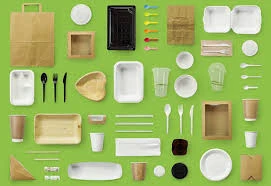

Plastic container are ubiquitous in modern life, providing versatile and durable solutions for storing, transporting, and preserving a wide array of products. From food and beverages to household items and industrial goods, plastic containers come in many shapes, sizes, and types. Their lightweight nature, durability, and cost-effectiveness make them indispensable across various industries.
History and Evolution of Plastic Containers
The development of plastic containers dates back to the early 20th century, with the invention of Bakelite in 1907, which marked the beginning of the plastic era. Over the decades, advancements in polymer science have led to the creation of various types of plastics, each with unique properties suited for specific applications. The mass production of plastic containers began in the mid-20th century, revolutionizing packaging and storage solutions.
Types of Plastics Used in Containers
Different types of plastics are used to manufacture containers, each offering specific benefits:
1. Polyethylene Terephthalate (PET)
PET is widely used for beverage bottles and food containers. It is known for its strength, thermal stability, and transparency. PET containers are also recyclable, making them a popular choice for environmentally conscious consumers.
2. High-Density Polyethylene (HDPE)
HDPE is commonly used for milk jugs, detergent bottles, and grocery bags. It is known for its high strength-to-density ratio, making it ideal for containers that need to withstand impact without breaking.
3. Polyvinyl Chloride (PVC)
PVC is used for oil and vinegar bottles, shrink wrap, and blister packaging. It is durable and provides an excellent barrier against moisture and gases, which helps in preserving the contents.
4. Low-Density Polyethylene (LDPE)
LDPE is used for squeezable bottles, lids, and plastic bags. It is known for its flexibility and resilience, making it suitable for products that require a pliable container.
5. Polypropylene (PP)
PP is used for yogurt containers, bottle caps, and straws. It is resistant to heat and chemicals, making it suitable for containers that need to be sterilized or exposed to hot liquids.
6. Polystyrene (PS)
PS is used for foam food containers, disposable cups, and cutlery. It is lightweight and can be foamed to create insulating properties, ideal for keeping food and beverages hot or cold.
Advantages of Plastic Containers
Plastic containers offer numerous advantages that make them a preferred choice for various applications:
1. Durability and Longevity
Plastic containers are resistant to breakage, which ensures the longevity of the product. This durability makes them suitable for repeated use, reducing the need for frequent replacements.
2. Lightweight Nature
Compared to glass or metal containers, plastic containers are significantly lighter. This lightweight nature reduces transportation costs and makes handling easier for consumers.
3. Cost-Effectiveness
The production of plastic containers is generally more cost-effective compared to alternatives. This affordability allows manufacturers to produce large quantities without compromising quality.
4. Versatility
Plastic can be molded into virtually any shape or size, providing immense versatility in design. This adaptability makes it possible to create containers tailored to specific needs and applications.
5. Barrier Properties
Many plastics offer excellent barrier properties, protecting the contents from moisture, air, and contaminants. This is particularly important for food and pharmaceutical products, where preservation is critical.
Environmental Impact and Sustainability
While plastic containers offer numerous benefits, their environmental impact cannot be overlooked. The persistence of plastic waste in the environment poses significant challenges. However, advancements in recycling technologies and the development of biodegradable plastics are steps toward mitigating these issues.
1. Recycling Initiatives
Recycling plastic containers can significantly reduce the environmental footprint. PET and HDPE are among the most commonly recycled plastics. Consumers and businesses are encouraged to participate in recycling programs to ensure that plastic waste is appropriately managed.
2. Biodegradable Plastics
Biodegradable plastics are designed to break down more quickly in the environment. These alternatives aim to reduce the long-term impact of plastic waste. However, the production and widespread adoption of biodegradable plastics are still in the developmental stages.
Applications of Plastic Containers
Plastic containers are used across various industries due to their versatility and practicality:
1. Food and Beverage Industry
In the food and beverage industry, plastic containers are used for bottles, jars, and packaging materials. They help in preserving the freshness and extending the shelf life of products.
2. Pharmaceutical Industry
In the pharmaceutical industry, plastic containers are used for pill bottles, blister packs, and medical devices. They ensure the sterility and integrity of medications and medical supplies.
3. Household Products
Plastic containers are commonly used for cleaning products, storage solutions, and personal care items. Their durability and resistance to chemicals make them ideal for various household applications.
4. Industrial Applications
In industrial settings, plastic containers are used for chemical storage, toolboxes, and packaging of industrial goods. Their robustness and ability to withstand harsh conditions make them suitable for demanding environments.
Future Trends in Plastic Container Technology
The future of plastic containers lies in innovation and sustainability. Research and development efforts are focused on creating more environmentally friendly materials and improving recycling processes. Additionally, smart packaging technologies are being explored to enhance the functionality of plastic containers.
1. Smart Packaging
Smart packaging incorporates technology such as sensors and indicators to monitor the condition of the contents. This can help in ensuring the quality and safety of perishable goods.
2. Enhanced Recycling Techniques
Improving recycling techniques to make the process more efficient and cost-effective is a key area of focus. This includes developing methods to recycle a broader range of plastic types.
3. Sustainable Materials
The development of sustainable materials, including biodegradable and compostable plastics, is crucial for reducing the environmental impact of plastic containers. These materials aim to offer the same benefits as traditional plastics while being more environmentally friendly.
Conclusion
Plastic containers have revolutionized the way we store, transport, and preserve products across various industries. Their durability, cost-effectiveness, and versatility make them an essential part of modern life. As we move towards a more sustainable future, advancements in recycling and biodegradable plastics will play a crucial role in addressing environmental concerns associated with plastic containers.
























Sign in to leave a comment.