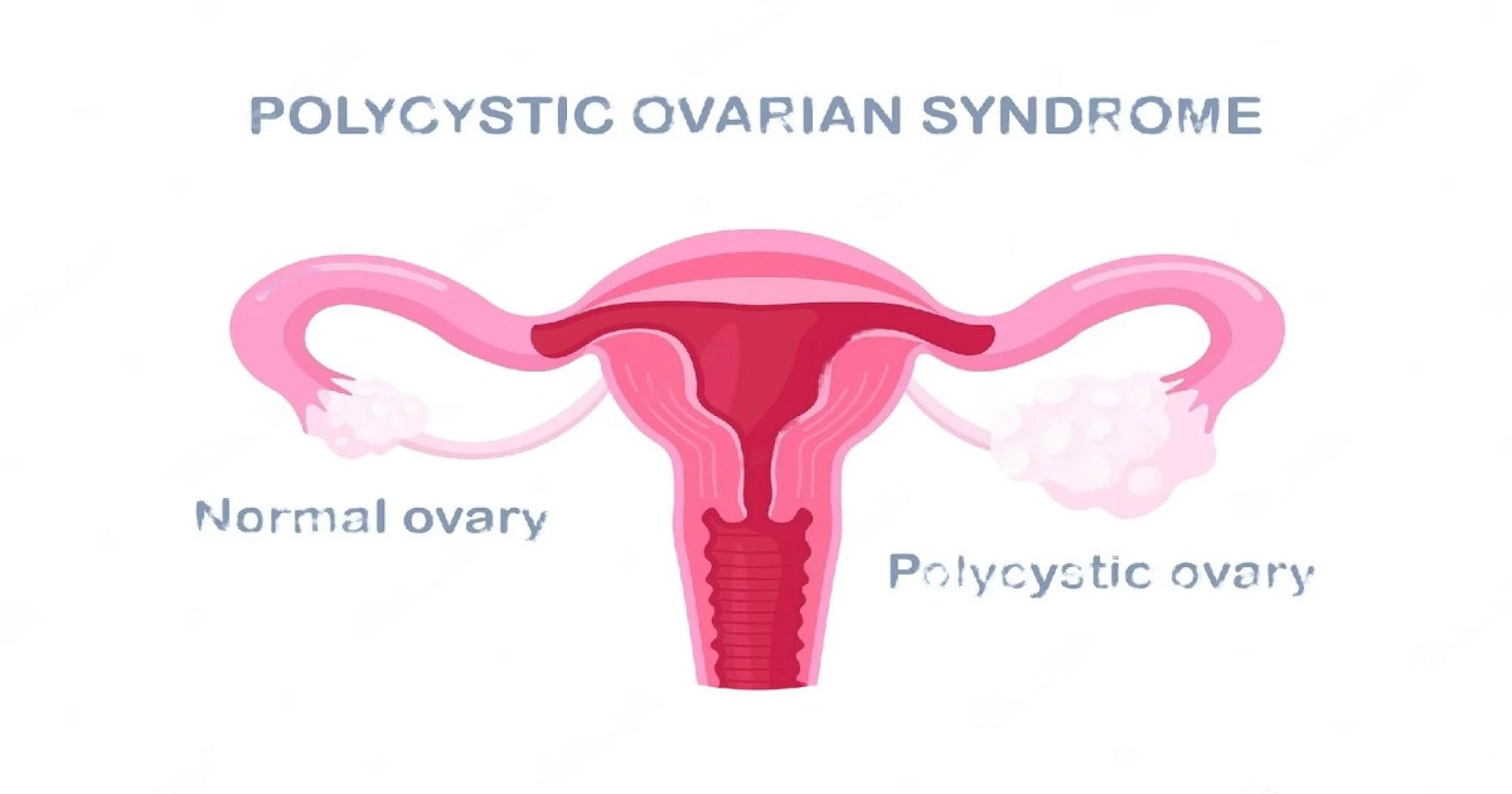

Understanding Polycystic Ovary Syndrome (PCOS):
Polycystic ovary syndrome (PCOS) is a common hormonal disorder that affects women of reproductive age. It is estimated to affect up to 10% of women worldwide and is a leading cause of infertility, menstrual irregularity, and other health problems. In this article, we will discuss the symptoms, causes, diagnosis, and treatment options available for PCOS.
What is Polycystic Ovary Syndrome (PCOS)?
Polycystic ovary syndrome (PCOS) is a hormonal disorder that affects women during their reproductive years. It is characterized by the growth of multiple small cysts on the ovaries, which can cause irregular menstrual cycles and other health problems. PCOS is also associated with hormonal imbalances that can cause increased levels of testosterone, insulin resistance, and other health issues.
First Signs and Symptoms of PCOS
The first signs of PCOS Symptoms can vary from woman to woman, but some of the most common include:
Irregular Menstrual Cycles: One of the most common signs of PCOS is irregular menstrual cycles. Women with PCOS may experience fewer than eight periods per year or have periods that occur every 21 days or more frequently.Hirsutism: Hirsutism is a condition in which women develop excess hair growth on their face, chest, and back. This is due to the increased levels of male hormones, such as testosterone, in the body.Acne: Women with PCOS may also experience acne, which can be caused by the increased levels of androgens in the body.Weight Gain and Difficulty Losing Weight: Women with PCOS often struggle with weight gain and have difficulty losing weight. This is due to insulin resistance, which can cause the body to store more fat.Hair Loss or Thinning: Women with PCOS may also experience hair loss or thinning, which can be caused by hormonal imbalances.Insulin Resistance: Insulin resistance is a common symptom of PCOS and can lead to high blood sugar levels and an increased risk of developing type 2 diabetes.Mood Changes: Women with PCOS may experience mood changes, such as depression or anxiety, due to the hormonal imbalances in the body.Infertility: PCOS is a leading cause of infertility in women. The hormonal imbalances can prevent the ovaries from releasing eggs, making it difficult to conceive.
Causes of PCOS:
The exact cause of PCOS is unknown, but there are several factors that may contribute to the development of the condition. These include:
Genetics: PCOS tends to run in families, suggesting that there may be a genetic component to the condition.Insulin resistance: Insulin resistance is another potential factor in the development of PCOS. This occurs when the body becomes less responsive to insulin, a hormone that helps regulate blood sugar levels. Insulin resistance can cause the body to produce more insulin, which can lead to increased testosterone production and other hormonal imbalances.Inflammation: Inflammation in the body may also contribute to the development of PCOS.
Diagnosis of PCOS:
Diagnosing PCOS typically involves a combination of a physical exam, medical history, blood tests, and pelvic ultrasound & IVF.
Physical Exam and Medical History:During a physical exam, the healthcare provider will ask about the patient's symptoms and medical history, as well as perform a pelvic exam to check for any signs of abnormal growths or cysts.Blood Tests: Blood tests can help detect hormonal imbalances and rule out other conditions that may have similar symptoms, such as thyroid disorders or adrenal gland disorders.Pelvic Ultrasound: A pelvic ultrasound is used to visualize the ovaries and check for the presence of cysts or other growths.Treatment Options for PCOS: While there is no cure for PCOS, there are several treatment options available to manage symptoms and improve overall health.Lifestyle Changes: Making healthy lifestyle changes, such as eating a balanced diet, getting regular exercise, and managing stress, can help improve insulin resistance, manage weight, and reduce symptoms of PCOS.Medications: There are several medications that can be used to treat PCOS, including hormonal birth control to regulate menstrual cycles, metformin to improve insulin resistance, and spironolactone to reduce excess hair growth.Surgery: In rare cases, surgery may be necessary to remove ovarian cysts or other growths that are causing symptoms.FAQs:
Can PCOS be cured?
There is no cure for PCOS, but there are several treatment options available to manage symptoms and improve overall health.
Is PCOS a life-threatening condition?
PCOS is not typically a life-threatening condition, but it can lead to other health problems, such as type 2 diabetes and heart disease, if left untreated.
Can a woman with PCOS get pregnant?
While PCOS can make it more difficult to get pregnant, many women with the condition are still able to conceive with medical assistance.
Does weight loss help with PCOS symptoms?
Losing weight can help improve insulin resistance, manage weight, and reduce symptoms of PCOS.
Can PCOS lead to infertility?
A: PCOS can make it more difficult to get pregnant, but with proper treatment, many women with PCOS are able to conceive.
Is there a specific diet for PCOS?
A: While there is no specific diet for PCOS, eating a healthy, balanced diet can help manage the symptoms.
Is PCOS a serious problem?
A: PCOS can be a serious problem for some women. It can cause irregular periods, fertility problems, acne, excessive hair growth, and weight gain, among other symptoms. PCOS has also been associated with an increased risk of diabetes, heart disease, and other health problems.
How do you know you have PCOS?
A: PCOS can be diagnosed through a combination of physical exams, medical history, and blood tests. Common symptoms of PCOS include irregular periods, fertility problems, acne, excessive hair growth, and weight gain. A doctor may also perform an ultrasound to look for ovarian cysts.
Can women with PCOS get pregnant?
A: Yes, women with PCOS can get pregnant, but they may experience fertility problems due to irregular ovulation. However, with proper medical treatment and lifestyle changes, many women with PCOS are able to conceive and have successful pregnancies.
What shape are PCOS breasts?
A: There is no specific shape that breasts take in women with PCOS. Breast shape is determined by genetics, weight, and other factors unrelated to PCOS.











Sign in to leave a comment.