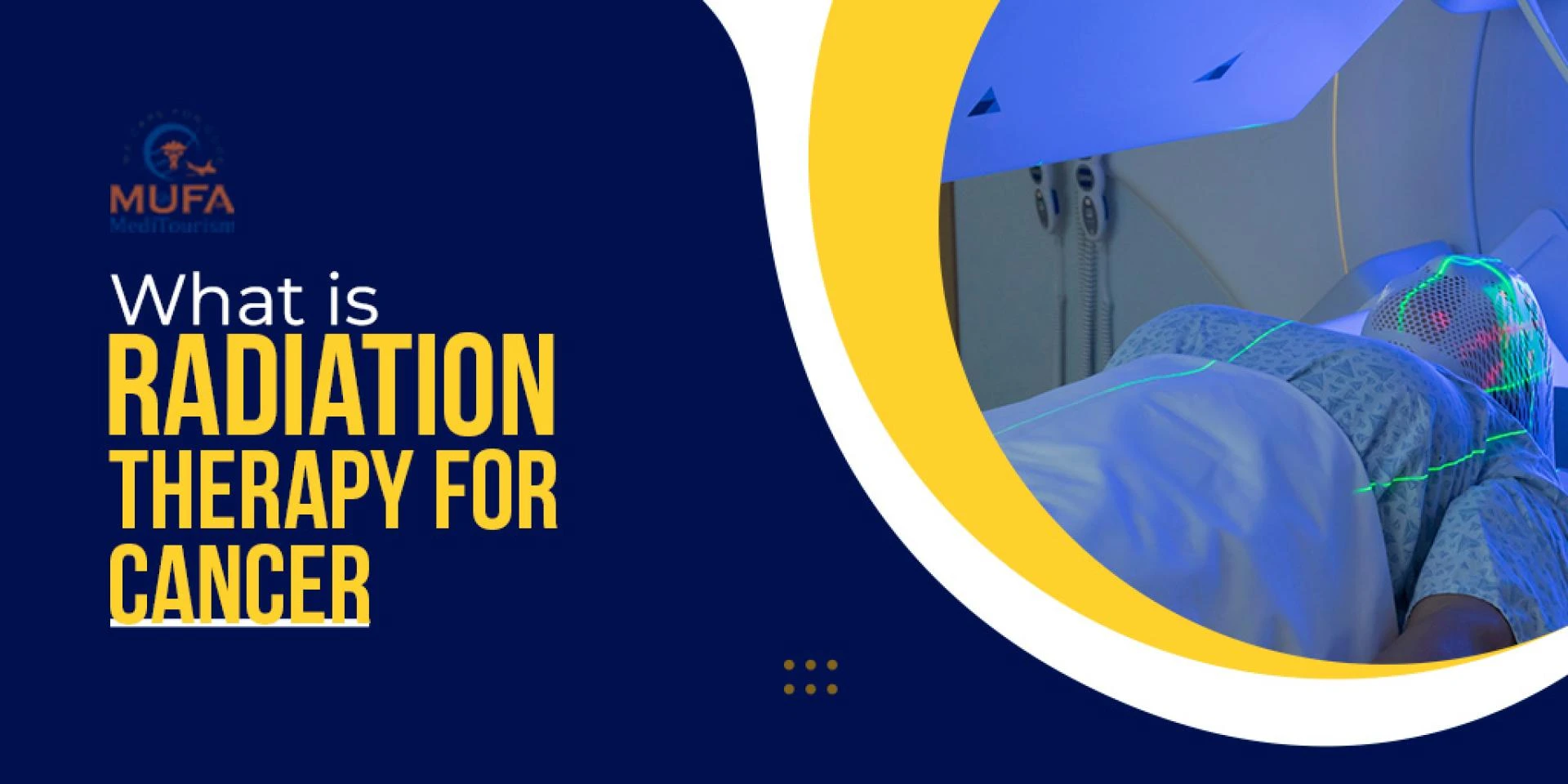

Radiation therapy is an important part of treating cancer, offering an effective approach to destroy cancer cells and reduce tumor size. In this article, I will provide a comprehensive analysis of radiation therapy for cancer treatment, exploring its key factors and shedding light on its significance in the fight against cancer.
What is Radiation Therapy?
Radiation therapy, also known as radiotherapy, employs high-energy radiation to target and eliminate cancer cells in specific areas of the body. This treatment modality works by damaging the DNA within the cancer cells, preventing their ability to grow and divide. Radiation therapy is given either from outside the body or inside the body, depending on the type and location of the cancer.
Radiation Therapy for Cancer Treatment (Source: Canva)
What are the types of Radiation Therapy?
External Beam Radiation Therapy: This is the most common form of radiation therapy, where a machine called a linear accelerator delivers radiation from outside the body. Precise targeting allows the radiation to reach the tumor while minimizing exposure to healthy surrounding tissues.Internal Radiation Therapy (Brachytherapy): This method involves placing a radioactive source near or inside the tumor, allowing for targeted radiation delivery. It can be in the form of seeds, wires, or catheters temporarily or permanently inserted into the body.Systemic Radiation Therapy: This type uses radioactive substances that circulate throughout the body, targeting cancer cells wherever they may be. Systemic radiation therapy is commonly used to treat certain types of thyroid, bone, and prostate cancers.Significance of Radiation Therapy in Cancer Treatment
Radiation therapy plays several important roles in cancer treatment:
Primary Treatment: Radiation therapy can be the primary treatment modality for certain cancers, especially when surgery is not feasible or preferred. It can effectively shrink tumors and destroy cancer cells, leading to remission or control of the disease.Adjuvant Treatment: Radiation therapy is often used after surgery to extract any remaining cancer cells and reduce the risk of recurrence. It helps to improve overall treatment outcomes and increase survival rates.Palliative Care: In advanced stages of cancer, radiation therapy can alleviate symptoms such as pain and discomfort by shrinking tumors or reducing their impact on surrounding tissues. It improves the patient's quality of life by managing symptoms and enhancing overall well-being.Potential side effects of Radiation Therapy
Radiation therapy may cause side effects, but they vary depending on the treatment site and individual factors. Common side effects include fatigue, skin changes, hair loss, and temporary gastrointestinal disturbances. These effects are typically temporary and manageable, and healthcare professionals work closely with patients to minimize discomfort and provide appropriate supportive care.
Conclusion
Radiation therapy is a vital tool in the multidisciplinary approach to cancer treatment. It's the capacity to pinpoint and eradicate cancerous cells. With minimal damage to healthy tissues, it is an essential treatment modality. By understanding the different types of radiation therapy, their role in cancer treatment, and their potential side effects, patients and their families can make informed decisions and actively participate in their treatment journey.











Sign in to leave a comment.