Understanding SoftWave Therapy: How It Works, Benefits, and Cost


Are muscle aches, heel discomfort, or ongoing joint problems affecting your daily routine? When looking for treatment options, you may come across SoftWave Therapy. This non-invasive approach uses acoustic waves to stimulate targeted tissues and is being explored for its potential role in musculoskeletal care.
So, what is SoftWave Therapy, and what should you know before considering it? Understanding the treatment process, possible benefits, and costs can help you have a more informed discussion with your healthcare provider.
At Health For Life Chiropractic in Northville, MI, Dr. Ryan Cooper can help you explore care options based on your symptoms, health history, and individual goals.
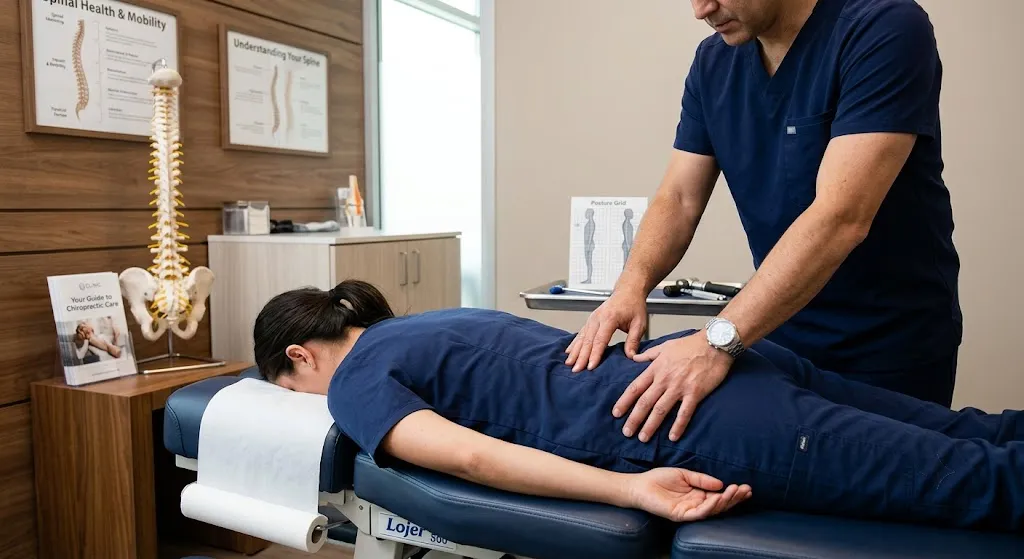
What Is SoftWave Therapy?
SoftWave Therapy is a treatment that uses broad-focused acoustic waves to deliver mechanical energy to targeted areas of the body. This stimulation is intended to encourage biological responses that may support the body's natural tissue-repair processes.
Unlike surgery, SoftWave treatment does not require incisions. It may be considered for certain musculoskeletal concerns, including selected tendon conditions and soft-tissue discomfort.
However, it is not a cure for every type of pain. Results depend on the condition being treated, and scientific evidence varies across different applications.
How Does SoftWave Treatment Work?
SoftWave Therapy uses a specialized handheld device to deliver acoustic waves to a selected treatment area. A provider generally applies gel to the skin before moving the device over the targeted tissues.
The mechanical stimulation may influence cellular activity and other processes involved in tissue response. Researchers continue to investigate how these effects translate into meaningful improvements for different conditions.
A typical session may involve four steps:
- Assessment: Your provider reviews your symptoms, health history, and treatment goals.
- Preparation: The treatment area is identified, and gel may be applied to the skin.
- Treatment: The device delivers acoustic waves to the targeted area.
- Follow-up: Your provider discusses your response and whether further care may be appropriate.
Some appointments take approximately 10–20 minutes, although the duration varies by treatment area and protocol. Many people can resume everyday activities shortly afterward.
What Are the Potential Benefits of SoftWave Therapy?
People may explore SoftWave Therapy when considering alternatives to more invasive treatment approaches. Depending on the condition, potential benefits may include:
- Non-invasive care: Treatment does not require surgical incisions.
- Minimal downtime: Many patients can return to normal activities soon after a session.
- Potential tissue-repair support: Acoustic wave therapy is being studied for its effects on biological processes associated with recovery.
- Musculoskeletal symptom management: It may be considered for certain tendon and soft-tissue conditions.
Individualized treatment planning: A provider can assess whether it is appropriate alongside other recommended care.
These benefits are not guaranteed. The effectiveness of SoftWave Therapy depends on the specific condition, and some uses have stronger scientific support than others.
What Conditions May SoftWave Therapy Address?
Depending on the clinical assessment, acoustic wave therapy may be considered for selected musculoskeletal concerns, such as:
- Plantar fasciitis and certain types of heel pain
- Some tendon-related conditions
- Selected overuse injuries
- Localized soft-tissue discomfort
Certain joint-related symptoms
The cause of your symptoms matters when choosing treatment. A proper evaluation can help determine whether SoftWave Therapy is appropriate or whether another approach may be more suitable.
How Much Does SoftWave Therapy Cost?
The cost of SoftWave Therapy varies by clinic, treatment area, number of sessions, and recommended care plan. Some providers charge per visit, while others offer packages for multiple treatments.
Before beginning, ask your provider about the cost of each session, consultation fees, the estimated number of visits, and available payment options.
Insurance coverage varies, so confirm your benefits directly with your insurance company rather than assuming the treatment is covered.
For current pricing and information about available services, contact Health For Life Chiropractic in Northville, MI.
Is SoftWave Therapy Safe?
SoftWave Therapy is generally well tolerated when administered appropriately. However, temporary soreness, tenderness, or mild swelling may occur after treatment.
It may not be suitable for everyone. Discuss your medical history, medications, and existing health concerns with a qualified healthcare professional before beginning treatment.
If your pain is severe, persistent, or worsening, seek an appropriate medical evaluation to identify the underlying cause.
Explore SoftWave Therapy in Northville, MI
Understanding your treatment options is an important step toward making informed decisions about your health. SoftWave Therapy may be worth discussing if you are exploring non-invasive approaches to certain muscle, tendon, or joint concerns.
At Health For Life Chiropractic – Northville, MI, Dr. Ryan Cooper can help you understand available care options and determine whether further evaluation is appropriate for your needs.
If you are looking for Chiropractic in Northville, MI, contact the clinic to ask about SoftWave Therapy, current pricing, and treatment options.
Ready to learn more? Reach out to Health For Life Chiropractic to discuss your concerns and explore the next steps toward personalized care.





Sign in to leave a comment.