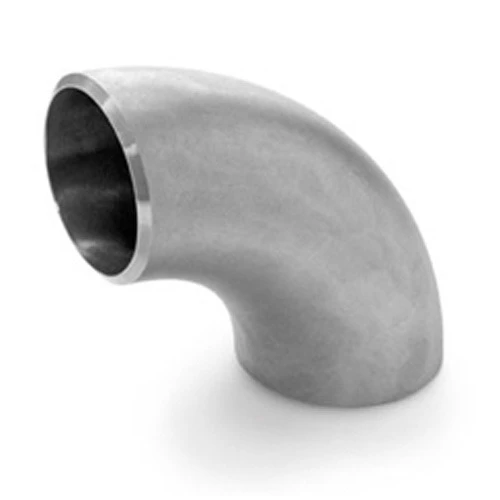

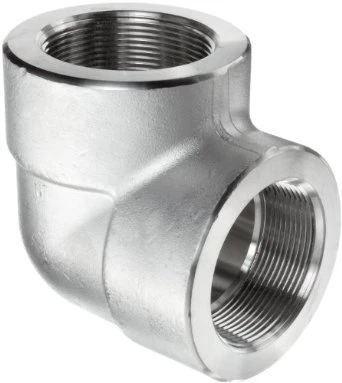
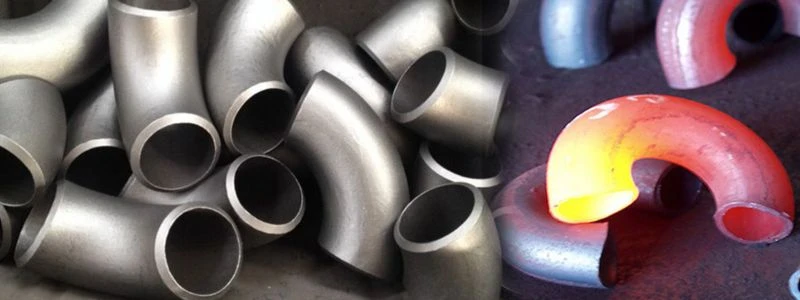
Stainless steel elbow is a type of pipe fitting used to connect two pieces of pipe or tubing. It is formed by bending one end of the pipe or tubing into a right angle so that it can be connected to another straight section of tube or pipe. It is available in both seamless and welded forms, depending on your application needs. Additionally, it can come in different sizes as well as wall thicknesses and grades.
Applications of Stainless Steel Elbow
Stainless Steel Elbows are commonly used in residential, commercial, industrial, and institutional plumbing applications because they offer superior corrosion resistance compared to other materials such as copper or brass. Additionally, stainless steel elbows have excellent temperature and pressure ratings which make them ideal for high-pressure applications like steam lines or gas lines. Finally, due to their superior strength and durability, stainless steel elbows are also often used when connecting larger pipes in order to reduce stress on the joint itself.
Uses & Advantages of Stainless Steel Elbow
There are several advantages to using stainless steel elbows for your piping projects. First off, they are highly resistant to corrosion which makes them an ideal choice for use in harsh environments where exposure to corrosive elements such as saltwater or chlorine is likely. Secondly, they require minimal maintenance since they don’t need regular cleaning or painting like other metals do; this reduces labor costs associated with upkeep over time. Finally, due to their superior strength and durability compared to other materials such as copper or brass, stainless steel elbows can provide extra protection against ruptures caused by high pressures.
SS elbows offer numerous benefits when it comes to piping projects ranging from superior corrosion resistance and minimal maintenance requirements to enhanced strength and durability compared with other metals like copper or brass.



Sign in to leave a comment.