
Table of Contents
- Introduction
- What Is Staring Silver?
- How Sterling Silver Metal Is Made
- Comparing Silver Types by Purity and Use
- How to Tell What Type of Silver You Own
- Is Sterling Silver Worth Anything? Key Value Factors
- Practical Buying and Selling Tips
- Conclusion
- Book a Silver Evaluation Today!
- Frequently Asked Questions
Key Takeaways
- Staring silver, commonly known as sterling silver metal, contains 92.5 percent pure silver.
- Different silver alloys vary in durability, shine, and long term performance.
- Purity, weight, craftsmanship, and market demand influence resale value.
- Understanding hallmarks and testing methods helps confirm authenticity.
- Knowing whether sterling silver is worth anything depends on both metal content and item condition.
Introduction
When researching staring silver, many buyers are actually referring to sterling silver metal, one of the most widely used silver alloys in jewelry and decorative pieces. While the name may vary in search results, the core question remains the same: how does sterling silver compare to other forms of silver, and what should buyers or sellers understand before making a decision?
Silver is not a single uniform material. It comes in different purity levels and alloy blends, each designed for a specific purpose. Whether you are evaluating inherited jewelry, considering a resale opportunity, or purchasing silver for personal use, understanding the distinctions can help you make informed, confident choices.
What Is Staring Silver?
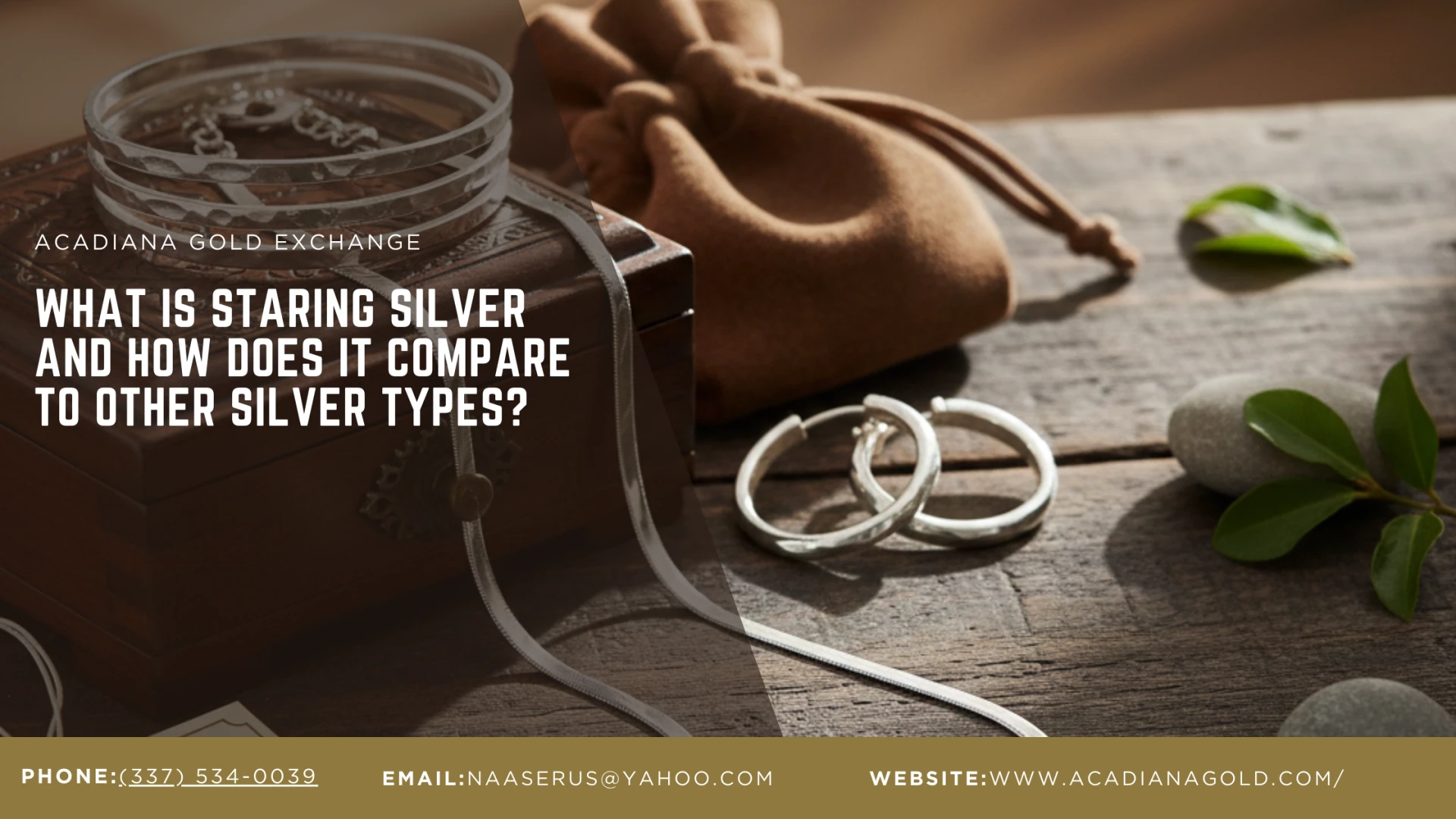
Staring silver is commonly used online as a misspelling of sterling silver. Sterling silver metal is an alloy made of 92.5 percent pure silver and 7.5 percent other metals, usually copper. This precise balance gives sterling silver its strength without sacrificing its recognizable bright appearance.
Pure silver on its own is soft and prone to bending or scratching. By adding copper, manufacturers create a material that can withstand everyday wear while maintaining the attractive luster that makes silver popular.
You will often see sterling silver stamped with “925,” which indicates its silver content. This marking is one of the most reliable indicators of authenticity.
How Sterling Silver Metal Is Made
To understand why sterling silver metal performs differently from other silver types, it helps to look at the manufacturing process.
Alloy Blending
Refined silver is melted and combined with a measured amount of copper. The mixture must be evenly distributed to ensure consistent hardness and color.
Shaping and Crafting
Once alloyed, the metal can be shaped into jewelry, flatware, or decorative objects. Its improved strength makes it easier to engrave, polish, and finish.
Polishing and Finishing
Sterling silver can be polished to a high shine. However, because it contains copper, it may tarnish over time when exposed to air and moisture. Tarnish is a surface reaction, not permanent damage, and can usually be removed with proper cleaning.
This blend of workability and durability explains why sterling silver remains a preferred material in both modern and traditional designs.
Comparing Silver Types by Purity and Use
Not all silver is created equal. The percentage of pure silver plays a major role in how the material behaves.
Fine Silver
Fine silver contains 99.9 percent pure silver. While it has a brighter white appearance, it is much softer than sterling silver metal. Because of its softness, it is commonly used for bullion, specialty jewelry, and collectible coins rather than everyday rings or bracelets.
Coin Silver
Historically, coin silver contained about 90 percent silver. It was made by melting down circulating coins. Today, the term is less common but still appears in antique markets.
Britannia Silver
Britannia silver contains 95.8 percent silver. It has higher purity than sterling silver but is also softer, making it less suitable for pieces exposed to frequent wear.
Modern Silver Alloys
Some contemporary alloys include elements designed to resist tarnish. These blends may cost more due to additional materials and branding, but they are still distinct from traditional sterling silver metal.
In practical terms, sterling silver often strikes the best balance between strength and purity for daily use.
How to Tell What Type of Silver You Own
If you are unsure what kind of silver you have, several steps can help clarify.
Check for Hallmarks
Look for stamps such as “925,” “Sterling,” or country specific assay marks. These are usually found on clasps, inner bands, or the underside of items.
Consider Weight and Feel
Sterling silver has a noticeable heft compared to silver plated pieces. Plated items may appear similar but contain only a thin outer layer of silver.
Professional Testing
When in doubt, professional evaluation provides the most reliable answer. Testing methods may include acid tests, electronic analyzers, or XRF technology to determine precise composition.
Identifying the correct alloy is important before attempting resale or insurance valuation.
Is Sterling Silver Worth Anything? Key Value Factors
A common question people ask is: is sterling silver worth anything? The answer depends on several measurable factors.
Silver Content
Because sterling silver metal contains 92.5 percent pure silver, its intrinsic value is tied to the current silver market price. The higher the spot price of silver, the greater the melt value.
Weight
Silver is typically valued by weight. Heavier items generally contain more silver and therefore have higher base value.
Craftsmanship and Brand
Designer jewelry, antique flatware, or limited production items may carry additional value beyond their metal content.
Condition
Scratches, dents, or broken components can reduce resale value, although the melt value remains based on weight and purity.
Market Demand
Local and global demand can influence how easily an item sells and at what price.
In short, sterling silver is worth something in most cases, but the exact amount depends on these combined elements.
Practical Buying and Selling Tips
Understanding silver types is only part of the equation. Practical decision making also matters.
- Verify authenticity before purchasing or selling.
- Avoid assuming plated items have the same value as solid sterling silver metal.
- Keep silver clean and dry to minimize tarnish.
- Store items in anti tarnish cloth or airtight containers.
- Monitor silver market trends if you are considering selling for melt value.
If you are buying for personal use rather than resale, consider lifestyle. For example, rings and bracelets benefit from the added strength of sterling silver compared to fine silver.
Conclusion
Staring silver, more accurately known as sterling silver metal, stands out because of its consistent 92.5 percent purity and practical durability. Compared to fine silver and other alloys, it offers a reliable balance of strength, appearance, and intrinsic value.
For anyone wondering is sterling silver worth anything, the answer is generally yes, but value depends on purity, weight, craftsmanship, and current market conditions. By understanding these differences and verifying authenticity, buyers and sellers can approach silver transactions with clarity and confidence.
Book a Silver Evaluation Today!
If you are unsure about the composition or value of your silver items, professional guidance can provide clarity. Schedule a silver evaluation today to receive accurate testing, transparent assessment, and informed recommendations based on current market data.
Frequently Asked Questions
1. What does staring silver mean?
Staring silver is commonly a misspelling of sterling silver metal, which contains 92.5 percent pure silver blended with other metals for strength.
2. Is sterling silver worth anything compared to pure silver?
Yes. While fine silver has slightly higher purity, sterling silver metal is still valuable because it contains significant silver content and is widely traded.
3. How can I confirm if my item is sterling silver metal?
Look for a 925 stamp, check for quality hallmarks, and consider professional testing for accurate verification.
4. Why does sterling silver tarnish?
The copper content in sterling silver reacts with air and moisture, causing surface discoloration. Regular cleaning can restore its shine.
5. Is sterling silver worth anything if it is damaged?
Even damaged pieces retain melt value based on weight and silver content, although craftsmanship value may decrease.
Sign in to leave a comment.