
Introduction
In the dynamic landscape of modern business, optimizing supply chain networks has become imperative for organizations striving to stay competitive and efficient. This article delves into the intricacies of supply chain network design and optimization, unraveling its significance, key components, benefits, implementation challenges, and future trends.
The Basics of Supply Chain Network Design
Defining Supply Chain Network Design
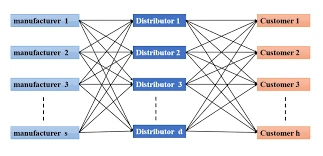
At its core, supply chain network design involves the strategic configuration of a company\'s distribution network to maximize efficiency and minimize costs. It encompasses decisions regarding the number and location of facilities, transportation routes, and inventory placement.
Importance of Supply Chain Optimization
Supply chain optimization goes beyond mere design; it focuses on continuously improving and fine-tuning the network to adapt to changing market conditions, customer demands, and technological advancements. This proactive approach ensures that the supply chain remains agile and responsive.
Key Components of Supply Chain Network Design
Network Mapping
A crucial initial step in supply chain network design is mapping the entire network. This involves identifying all facilities, suppliers, and distribution points, creating a visual representation that facilitates decision-making.
Inventory Placement
Strategically placing inventory is a delicate balancing act. Too much stock can lead to increased carrying costs, while too little can result in stockouts. Optimization models help find the sweet spot, aligning inventory levels with demand patterns.
Transportation Modes
Selecting the right transportation modes is vital for cost efficiency. Optimization considers factors such as shipping volumes, distances, and mode characteristics to determine the optimal mix of transportation methods.
Technology Integration
Modern supply chain optimization relies heavily on technology. Integration of advanced software for data analytics, real-time tracking, and predictive modeling enhances decision-making accuracy and responsiveness.
Benefits of Supply Chain Network Optimization
Cost Reduction
One of the primary benefits of supply chain network optimization is cost reduction. By streamlining the network and improving resource allocation, companies can achieve significant savings in transportation, warehousing, and inventory costs.
Improved Customer Service
Optimized supply chains lead to improved customer service by reducing lead times, minimizing stockouts, and enhancing order fulfillment accuracy. This, in turn, boosts customer satisfaction and loyalty.
Enhanced Flexibility
A well-optimized supply chain is inherently flexible, allowing companies to adapt quickly to changes in demand, supply, or market conditions. This flexibility is a key asset in today\'s rapidly evolving business environment.
Sustainability
Supply chain network optimization also contributes to sustainability goals. By minimizing transportation distances, reducing excess inventory, and adopting eco-friendly practices, companies can lower their carbon footprint and contribute to environmental conservation.
How Supply Chain Network Optimization Works
Data Collection and Analysis
The foundation of supply chain optimization lies in robust data collection and analysis. This involves gathering data on demand patterns, lead times, transportation costs, and other relevant variables.
Modeling and Simulation
Sophisticated optimization models use the collected data to create simulations of different network configurations. These models assess the impact of various decisions on cost, service levels, and overall efficiency.
Scenario Planning
Scenario planning involves testing the supply chain under different conditions, such as changes in demand, disruptions in the network, or shifts in market dynamics. This helps identify vulnerabilities and develop contingency plans.
Decision-Making
Based on the analysis and simulations, strategic decisions are made to optimize the supply chain network. This may involve adjusting facility locations, altering transportation routes, or fine-tuning inventory policies.
Case Studies: Real-World Applications
Amazon
Amazon, the e-commerce giant, is a prime example of effective supply chain network optimization. The company strategically places fulfillment centers close to major population centers, enabling quick and cost-effective order fulfillment.
Procter & Gamble
Procter & Gamble optimized its supply chain by consolidating distribution centers and implementing advanced analytics. This resulted in a more efficient network, reducing costs and improving overall responsiveness.
Walmart
Walmart utilizes a sophisticated supply chain network design to ensure its vast array of products reaches stores efficiently. The company leverages technology for real-time tracking, inventory management, and demand forecasting.
Challenges in Implementing Supply Chain Network Optimization
Data Accuracy
Effective optimization relies on accurate and up-to-date data. Ensuring the quality and accuracy of data sources can be challenging but is crucial for reliable decision-making.
Integration Issues
Implementing supply chain network optimization often requires integrating various technologies and systems. Ensuring seamless integration can be a complex task, with compatibility issues posing potential hurdles.
Balancing Costs and Service Levels
Finding the right balance between cost reduction and maintaining service levels is a persistent challenge. Aggressive cost-cutting measures may compromise service quality, impacting customer satisfaction.
Technology Complexity
The adoption of advanced technologies for optimization introduces a level of complexity that may be daunting for some organizations. Overcoming the learning curve and maximizing technology benefits can be a significant challenge.
Future Trends in Supply Chain Network Optimization
Artificial Intelligence and Machine Learning
The integration of artificial intelligence (AI) and machine learning (ML) is expected to revolutionize supply chain optimization. These technologies enable real-time decision-making, predictive analytics, and adaptive learning for continuous improvement.
Sustainable Practices
As sustainability becomes a top priority for businesses, supply chain optimization will increasingly focus on environmentally friendly practices. This includes optimizing transportation routes, reducing waste, and embracing renewable energy sources.
Digital Twins
Digital twins, virtual replicas of physical assets or processes, hold immense potential for supply chain optimization. By creating digital twins of supply chain networks, companies can simulate and optimize operations in a risk-free environment.
Best Practices for Successful Implementation
Collaboration and Communication
Successful implementation of supply chain network optimization requires collaboration and communication across departments and stakeholders. Clear communication channels and alignment of goals are essential for success.
Continuous Monitoring and Adaptation
Supply chain optimization is an ongoing process. Continuous monitoring of key performance indicators (KPIs) and market dynamics allows companies to adapt quickly to changing conditions and optimize performance.
Invest in Training and Development
Investing in employee training and development ensures that teams have the necessary skills and knowledge to leverage optimization tools effectively. This fosters a culture of innovation and continuous improvement.
Stay Updated on Technology
The field of supply chain optimization is constantly evolving with advancements in technology. Staying updated on the latest trends and innovations enables companies to leverage cutting-edge solutions for competitive advantage.
Conclusion
Supply chain network design and optimization are essential components of modern business strategy. By strategically configuring distribution networks, leveraging advanced technologies, and embracing continuous improvement, organizations can unlock efficiency, reduce costs, and enhance customer satisfaction. As businesses navigate an increasingly complex and competitive landscape, supply chain optimization remains a critical driver of success.
In conclusion, understanding the intricacies of supply chain network design and optimization is paramount for businesses seeking to thrive in the global marketplace.
This article has provided insights into the fundamentals, benefits, challenges, and future trends of supply chain network optimization, equipping readers with the knowledge to make informed decisions and drive sustainable growth.



























Sign in to leave a comment.