
In our highly automated world, a steady and reliable flow of electricity is the absolute foundation of any successful business operation. However, managing massive electrical currents involves substantial risks, including extreme voltage spikes, short circuits, and equipment overloads. To prevent these hazards from turning into catastrophic failures, modern power grids rely heavily on highly responsive protective hardware. For heavy industrial facilities, commercial complexes, and utility plants, partnering with an experienced Electrical Equipment Manufacturer is the first critical step toward designing a secure, high-performance power network that meets international safety regulations.
To build a truly resilient power distribution network, engineering teams and project managers must deeply understand their protection hardware, starting with a foundational question: what is switchgear and its types, and how do they function to secure critical assets?
The Core Concept: Understanding Electrical Switchgear
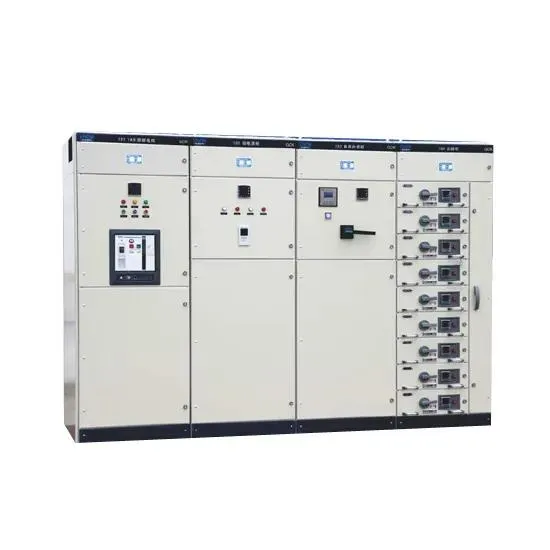
At its essence, switchgear is a centralized collection of electrical disconnect switches, fuses, circuit breakers, and protective relays. Its primary purpose is to control, regulate, protect, and isolate electrical equipment across an energy grid. Think of it as the ultimate combination of a high-speed digital brain and heavy-duty armor for an electrical network.
When an operational fault occurs—such as a short circuit or an unexpected system overload—the switchgear instantly detects the dangerous change in current. It operates within milliseconds to interrupt the flow of electricity, isolating the faulty section from the rest of the functional network. This rapid, targeted response prevents severe equipment damage, eliminates widespread blackouts, and ensures that maintenance personnel can work on de-energized parts of the facility with complete safety.
Classifying Switchgear by Voltage Parameters
To effectively handle the varying demands of electrical transmission and consumption, switchgear assemblies are systematically divided into three major categories based on their design voltage levels:
- Low Voltage (LV) Switchgear: Operating at thresholds up to 1KV, these systems are commonly found in commercial structures, residential distribution panels, and standard manufacturing workshops.
- Medium Voltage (MV) Switchgear: Ranging from 1KV up to 75KV, MV switchgear is the workhorse of heavy processing plants, renewable energy stations, and utility substations.
- High Voltage (HV) Switchgear: Built for systems exceeding 75KV, these massive installations are utilized in transmission grids to manage bulk power transport over long distances.
Advanced Low-Voltage Solutions for Industrial Reliability
Within the low-voltage category, specialized structural frameworks are engineered to handle continuous high-load applications while offering premium protection and maintenance flexibility.
The MNS Standard for Unmatched Modularity
When operational uptime is the top priority, the mns low voltage switchgear stands out as an industry-leading option. Known for its fully withdrawable modular design, this framework allows individual component modules to be safely pulled out, serviced, or replaced in minutes without requiring a total system shutdown. This zero-downtime flexibility makes it highly favored in continuous-process environments like oil refineries, chemical plants, and data centers.
The GCK Framework for High Thermal Stability
For facilities requiring exceptional mechanical strength and superb breaking capacity, the gck switchgear frame offers an outstanding alternative. The GCK architecture isolates individual functional units into distinct, secure compartments. This structural segregation creates a highly effective physical barrier, drastically minimizing the risk of internal arc faults spreading across the assembly while ensuring maximum structural integrity.
Conclusion
Selecting the appropriate electrical protection system is paramount to achieving long-term operational efficiency and safety. By investing in type-tested, heavy-duty switchgear, modern enterprises can safeguard their expensive industrial machinery, eliminate costly unplanned downtime, and power their infrastructure with absolute reliability.































Sign in to leave a comment.